
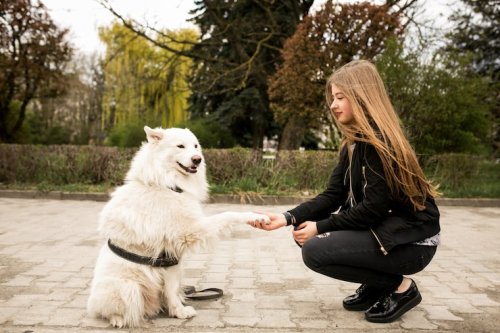
In the colorful streets of San Francisco’s Mission District and the sun-drenched hills of Potrero Hill, dog owners watch their puppies tumble through early adventures with a mix of joy and quiet worry. Whether you’re navigating the industrial charm of Dogpatch or enjoying a stroll in the relaxed vibe of Noe Valley, one question keeps coming up among pet parents in Bernal Heights, the Castro District, and beyond: what is the best dog training method? It’s the kind of practical puzzle that surfaces during early-morning walks in SoMa or weekend chats in local parks an issue that matters because the right approach can turn chaotic puppy days into years of calm companionship.
Your dog’s daily struggles pulling, mealtime anxiety, or reactivity don’t just cause stress, they chip away at the joy of being together. At Prime Paw, our positive reinforcement-based programs meet your dog where they are and build confidence, connection, and real skills. Our tailored programs in-person classes, coaching, and online resources help you enjoy calmer walks, relaxed routines, and a deeper connection. Ready for lasting change? Schedule a Prime Paw consultation today!
The Booming World of Dog Training Services
Across the United States, and especially here in California, more people than ever are turning to professional help for their dogs. The global dog training services market is estimated to be valued at USD 43.8 Billion in 2026, with North America leading the way due to high pet ownership. This surge isn’t about trends or hype. It reflects a genuine desire among owners to understand their dogs better and build stronger bonds from the start.
In neighborhoods like these, where apartments meet community parks, the stakes feel immediate. A well-trained dog isn’t just easier to live with it’s safer, happier, and more welcome everywhere from sidewalk cafés to weekend hikes in the hills. Owners quickly discover that investing in the right guidance pays dividends in everyday peace of mind and deeper connection with their four-legged family members.
Understanding the Main Dog Training Methods
Dog training has evolved over decades, and today’s owners have several established approaches to consider. Each comes with its own philosophy, tools, and results. The key is matching the method to your puppy’s personality and your own lifestyle in a busy city like San Francisco, where distractions are constant and space is often at a premium.
Positive Reinforcement: Rewards That Build Trust
This method focuses on praising or rewarding good behavior with treats, toys, or affection while ignoring unwanted actions. Trainers mark the exact moment a dog does something right often with a clicker or a simple “yes” then follow up with something the puppy loves. It’s gentle, science-backed, and creates eager learners instead of fearful ones. Over time, dogs learn to offer behaviors willingly because they associate them with positive outcomes, leading to more reliable habits in real-world settings like crowded sidewalks or bustling parks.
Dominance or Alpha-Based Training: The Old-School Approach
Older methods relied on establishing yourself as the “pack leader” through corrections or physical assertions. While some owners still see quick results, many experts now view this style as outdated. It can create anxiety or confusion rather than lasting understanding, especially in sensitive puppies growing up in dynamic urban environments where trust matters more than control.
Clicker Training and Scientific Methods
Clicker training is actually a form of positive reinforcement that uses a small device to mark precise behaviors. Scientific approaches draw on the latest behavioral research, emphasizing timing, consistency, and clear communication. Both methods avoid punishment and focus on what works for the individual dog, helping owners in places like the Castro District or Bernal Heights build skills that last beyond the training session.
The Power of Personalization in Puppy Training
No two puppies are alike, even within the same litter. One might be bold and curious in the Dogpatch dog park while another hangs back in the Castro District’s community spaces. That’s why personalized puppy training based on each dog’s behavior and needs stands apart. Instead of a generic script, experienced trainers observe your puppy’s unique quirks energy level, fears, motivations and craft a plan that fits perfectly.
This tailored attention helps owners avoid the frustration of methods that simply don’t click. In a city full of distractions, personalization means faster progress and fewer setbacks. Trainers who take the time to understand each dog’s individual personality create customized pathways that respect natural learning styles and accelerate real results.
Combining Training with Socialization for Better Results
One of the smartest innovations in modern puppy classes is blending training with socialization in one safe, supervised location. Puppies don’t just learn “sit” and “stay” they practice those skills while meeting other dogs in a controlled environment. The result is a confident, well-mannered companion who knows how to behave around people and pets alike, making everyday outings in SoMa or Potrero Hill far more enjoyable.
For San Francisco owners juggling work and city life, this two-in-one approach saves time and delivers real-world skills. Puppies learn to navigate crowded sidewalks, greet neighbors calmly, and stay focused even when squirrels dart across the path in Noe Valley. The supervised setting builds resilience and social confidence that generic backyard practice simply cannot match.
Why Positive Reinforcement Stands Out
Among all the options, positive reinforcement methods with experienced trainers consistently rise to the top. They build trust rather than fear, encourage enthusiasm for learning, and create dogs that actually enjoy training sessions. Research and real-world results show these techniques lead to longer-lasting behavior changes because the dog chooses to cooperate instead of complying out of worry.
Trainers who specialize in this style understand the subtle signals puppies give and adjust on the spot. The bond that forms feels natural and joyful exactly what most owners in these vibrant neighborhoods want for their growing dogs. Positive reinforcement aligns beautifully with the unique needs of urban puppies, turning potential challenges into opportunities for connection and growth.
Overcoming Common Objections to Training
Many first-time puppy parents hesitate for understandable reasons. Concern about training cost often tops the list, yet most discover the investment pays off quickly in fewer vet visits, less property damage, and more enjoyable daily life. The value becomes clear when you see your dog thriving instead of struggling with basic manners.
Others wonder if training will actually work for their particular puppy especially if the dog seems unusually stubborn or anxious. The answer lies in choosing a personalized, positive approach that meets the dog where it is. Lack of time to attend classes consistently is another frequent worry in fast-paced areas like SoMa and Potrero Hill. Well-designed programs respect busy schedules, offering focused sessions that deliver noticeable results without requiring endless hours each week. Short, engaging classes keep both owner and puppy motivated and moving forward.
Choosing the Best Method for Your Dog
The best dog training method is ultimately the one that fits your puppy’s temperament, your family’s routine, and the environment you share. For most urban owners in California, positive reinforcement combined with personalization and supervised socialization delivers the clearest path to success. It respects the dog’s intelligence, reduces stress, and creates a partnership built on mutual understanding.
Take time to observe your puppy’s responses during the first few sessions. A method that feels right will show quick wins eager attention, relaxed body language, and genuine progress on skills that matter in everyday city life. Whether your pup is energetic in the Mission District or more reserved in Noe Valley, the right fit makes all the difference in building confidence and harmony.
Final Thoughts: Building Lasting Bonds
Deciding which dog training method is the best isn’t about finding a universal winner. It’s about discovering what helps your puppy become the happiest, most confident version of itself while making your shared life in San Francisco smoother and more fun. Positive, personalized training that weaves in socialization offers a practical, humane solution that thousands of local owners have come to trust.
Whether your pup is just starting out or already testing every boundary in Bernal Heights, the right guidance can transform those early months into a foundation that lasts a lifetime. The dogs and the people who invest in thoughtful training rarely look back. They simply enjoy the walk, the park, and the everyday moments that make city life with a dog so rewarding. In the end, the strongest bonds come from methods that honor each dog’s individuality and celebrate every small victory along the way.
Frequently Asked Questions
What is the best dog training method for puppies?
The best dog training method for most puppies is positive reinforcement, which rewards good behavior with treats, toys, or affection rather than using punishment or corrections. This science-backed approach builds trust, encourages enthusiasm for learning, and produces longer-lasting behavior changes because dogs choose to cooperate willingly. For urban environments with constant distractions, combining positive reinforcement with personalized training tailored to your puppy’s unique temperament delivers the strongest results.
How does socialization fit into puppy training, and why does it matter?
Socialization is a critical complement to obedience training, and the most effective modern puppy programs blend both in a single supervised setting. When puppies practice commands like “sit” and “stay” while also meeting other dogs and people, they develop the social confidence needed to stay calm and focused in busy, distracting environments. This two-in-one approach saves time for busy owners while producing well-mannered dogs that can handle everyday outings with ease.
Is positive reinforcement dog training better than dominance-based training?
Yes most modern trainers and behavioral researchers consider positive reinforcement significantly more effective than older dominance or alpha-based methods. Dominance training can create anxiety and confusion, especially in sensitive puppies, while positive reinforcement builds confidence and a genuine bond between dog and owner. The key difference is that dogs trained with rewards cooperate out of enthusiasm rather than fear, leading to more reliable behavior in real-world situations.
Disclaimer: The above helpful resources content contains personal opinions and experiences. The information provided is for general knowledge and does not constitute professional advice.
You may also be interested in: Animal Welfare Groups Advocate for Force-Free Handling Standards in Veterinary Clinics
Your dog’s daily struggles pulling, mealtime anxiety, or reactivity don’t just cause stress, they chip away at the joy of being together. At Prime Paw, our positive reinforcement-based programs meet your dog where they are and build confidence, connection, and real skills. Our tailored programs in-person classes, coaching, and online resources help you enjoy calmer walks, relaxed routines, and a deeper connection. Ready for lasting change? Schedule a Prime Paw consultation today!
Powered by flareAI.co