
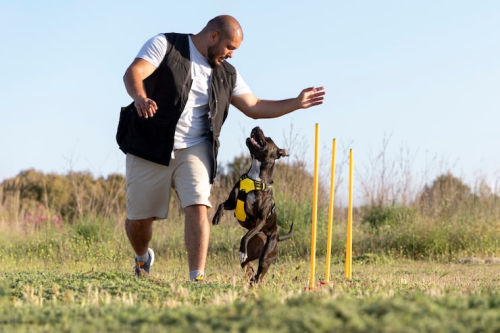
In the vibrant neighborhoods of San Francisco from the colorful streets of the Mission District and the hillside views of Potrero Hill to the creative energy of Dogpatch puppy owners are embracing a gentler revolution in canine companionship. The era of forceful corrections and raised voices is fading. In its place, a compelling movement promotes force-free training, an approach grounded in empathy, patience, and positive reinforcement that honors how dogs naturally learn and thrive.
This evolution extends well beyond passing trends among pet parents in SoMa, Bernal Heights, the Castro District, or Noe Valley. It reflects a deeper understanding that puppies develop best when training nurtures trust instead of instilling fear. Across California and the wider United States, thoughtful owners increasingly ask not whether training matters, but which method will truly strengthen their bond while navigating everyday urban challenges.
Your dog’s daily struggles pulling, mealtime anxiety, or reactivity don’t just cause stress, they chip away at the joy of being together. At Prime Paw, our positive reinforcement-based programs meet your dog where they are and build confidence, connection, and real skills. Our tailored programs in-person classes, coaching, and online resources help you enjoy calmer walks, relaxed routines, and a deeper connection. Ready for lasting change? Schedule a Prime Paw consultation today!
The Rise of Force-Free Training
Force-free training, also known as positive reinforcement or R+ training, rewards desired behaviors with treats, praise, toys, or play while avoiding punishment or intimidation. This creates a safe, motivating space where puppies feel encouraged to engage and experiment. It stands apart from traditional dominance-based techniques that rely on corrections, which can undermine confidence over time.
The movement continues to build as more owners seek humane, effective alternatives. In supervised group settings, puppies master commands while gaining valuable socialization skills, all without the anxiety that aversive methods can trigger. Real-world results show these dogs often respond more eagerly and remember lessons longer, contributing to calmer, more harmonious homes.
Limitations of Traditional Training Approaches
Well-meaning puppy parents frequently begin with conventional methods, only to face recurring setbacks. A quick leash tug or sharp verbal correction may halt unwanted actions temporarily, yet it risks generating anxiety, damaging trust, and even fostering reactivity or avoidance behaviors later on.
Force-free strategies, by comparison, tackle the underlying causes by teaching clear alternatives. They redirect natural energy into positive outlets rather than suppressing it. For busy professionals balancing demanding schedules in San Francisco’s dynamic neighborhoods, this translates to practical sessions that integrate smoothly without adding unnecessary stress.
Personalized Training Tailored to Each Puppy
Modern programs distinguish themselves through careful attention to the individual dog. Puppies arrive with distinct personalities some outgoing and high-energy, others shy or easily overwhelmed. Effective training begins with assessing specific behaviors and needs, then customizes lessons to match, seamlessly blending skill-building with socialization in one secure, controlled environment.
Certified trainers experienced in positive reinforcement methods oversee the process, making every step feel rewarding for both puppy and owner. This combined approach equips young dogs to handle real-world situations, whether navigating crowded sidewalks in the Mission District or enjoying park interactions in Bernal Heights. The outcome is a more poised, adaptable companion fully prepared for city life.
Overcoming Common Objections with Practical Insights
Training costs understandably concern many new owners. Yet quality programs function as a smart investment, often preventing more serious behavioral issues that could prove far costlier in time and emotional strain. Many families ultimately view the expense as laying a strong foundation for smoother, more enjoyable years together.
Doubts about effectiveness frequently arise: will positive methods truly work with a lively, strong-willed pup? Consistency and an understanding of how dogs learn through successful associations provide the answer. Force-free techniques harness this natural process reliably, delivering solid results across different breeds and temperaments.
Time limitations present another genuine hurdle, particularly for those managing careers in the tech corridors or artistic communities around SoMa and Potrero Hill. Well-designed group classes that merge socialization with targeted training help participants make the most of limited availability. Focused, engaging sessions typically produce better retention than infrequent, lengthy ones, aligning more comfortably with real daily routines.
The Proven Benefits of Positive Reinforcement
Evidence from multiple studies underscores the advantages of reward-based training. Dogs trained this way commonly display stronger obedience, reduced fear responses, and greater willingness to cooperate with their owners. The approach fosters deeper bonds, with pets appearing more enthusiastic about learning rather than hesitant or defensive.
Broader trends in pet care mirror this shift. As disposable incomes rise, many owners opt for premium, individualized services that genuinely improve their pet’s quality of life, including thoughtful training options. In everyday terms, positive reinforcement enhances a puppy’s confidence and social ease while decreasing problem behaviors not by force, but by clearly teaching preferred choices. For households in Noe Valley or the Castro District, this often means relaxed walks without constant pulling, polite greetings instead of jumping, and overall tranquility at home.
Combining Training and Socialization for Better Results
A standout feature of forward-thinking programs is the integration of structured training with safe, guided socialization right from the beginning. Puppies practice commands in the presence of other dogs and people within carefully managed settings, acquiring practical life skills without becoming overwhelmed.
This balanced focus holds particular value in bustling urban environments like San Francisco, where constant sights, sounds, and encounters test a young dog’s focus. Learning to stay composed amid distractions, respond promptly to cues, and interact appropriately helps head off potential reactivity issues. Participants frequently notice meaningful gains in their puppie’s adaptability and composure after regular involvement.
Selecting the Most Suitable Training Path
Choosing a training philosophy ultimately hinges on personal values and long-term objectives. Owners who place high priority on mutual trust and sustained behavioral wellness often discover that force-free methods resonate most closely with their goals. Key indicators include programs led by experienced trainers, centered exclusively on positive techniques, and committed to individualized support.
Local resources serving neighborhoods from Dogpatch to Bernal Heights respond directly to this preference, providing welcoming spaces where both puppies and their people can flourish. Success stems from early starts, steady consistency, and acknowledging incremental achievements throughout the journey.
Embracing a Compassionate Future for Dog Training
The expanding force-free movement signals a meaningful cultural evolution in our relationship with dogs. Rather than seeking dominance, we increasingly recognize our canine family members as deserving of respect, understanding, and kindness. By adopting positive reinforcement, personalized attention, and integrated training-socialization experiences, puppy owners in San Francisco help establish higher standards of compassionate care.
This path does not demand flawless execution; it celebrates steady, kind-hearted progress. As growing numbers of families observe tangible improvements in their dog’s joy, responsiveness, and overall well-being, the movement gains further strength. Ultimately, the most enduring connections emerge not from control, but from genuine trust and shared delight in daily life.
Whether strolling the hills of Potrero or relaxing in the parks of Noe Valley, consider how force-free training could enrich your partnership with your puppy. The approach endures and spreads because it delivers results fostering calmer, more connected companions and deepening the rewarding experience of raising a dog in the city.
Frequently Asked Questions
What is force-free dog training and how does it differ from traditional methods?
Force-free training (also called positive reinforcement or R+ training) rewards desired behaviors using treats, praise, toys, or play without punishment or intimidation. Unlike traditional dominance-based techniques that rely on corrections like leash tugs or sharp verbal commands, force-free methods build trust and encourage puppies to engage willingly. This approach addresses the root causes of unwanted behavior by teaching clear alternatives, rather than simply suppressing them.
Does positive reinforcement training actually work for strong-willed or high-energy puppies?
Yes positive reinforcement is effective across all breeds and temperaments, including lively or stubborn puppies. The key is consistency and understanding how dogs learn through successful associations, which harness their natural motivation to repeat rewarded behaviors. Studies show that reward-based training produces stronger obedience, reduced fear responses, and greater willingness to cooperate compared to aversive methods.
How does combining puppy socialization with force-free training improve long-term behavior?
Integrating socialization into structured training from the start allows puppies to practice commands around other dogs and people in a safe, controlled setting building real-world confidence alongside obedience skills. This is especially valuable in busy urban environments, where puppies regularly encounter distracting sights, sounds, and strangers. Dogs that learn to stay calm amid distractions early on are far less likely to develop reactivity or anxiety issues as they grow.
Disclaimer: The above helpful resources content contains personal opinions and experiences. The information provided is for general knowledge and does not constitute professional advice.
You may also be interested in: Trainers Evaluate Methods for Reducing Separation Anxiety Without Medication
Your dog’s daily struggles pulling, mealtime anxiety, or reactivity don’t just cause stress, they chip away at the joy of being together. At Prime Paw, our positive reinforcement-based programs meet your dog where they are and build confidence, connection, and real skills. Our tailored programs in-person classes, coaching, and online resources help you enjoy calmer walks, relaxed routines, and a deeper connection. Ready for lasting change? Schedule a Prime Paw consultation today!
Powered by flareAI.co