
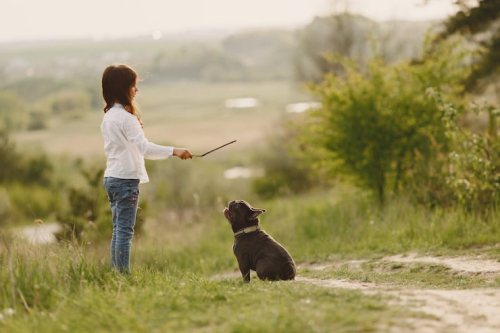
In the lively neighborhoods of San Francisco from the colorful streets of the Mission District and the hilly views of Potrero Hill to the industrial charm of Dogpatch puppy owners are realizing that raising a well-behaved companion is about building trust, not enforcing rules. The old era of harsh corrections and frustration has faded. Modern dog obedience now centers on understanding each dog’s distinct personality, creating thoughtful partnerships that enrich daily life in California’s vibrant Bay Area.
Your dog’s daily struggles pulling, mealtime anxiety, or reactivity don’t just cause stress, they chip away at the joy of being together. At Prime Paw, our positive reinforcement-based programs meet your dog where they are and build confidence, connection, and real skills. Our tailored programs in-person classes, coaching, and online resources help you enjoy calmer walks, relaxed routines, and a deeper connection. Ready for lasting change? Schedule a Prime Paw consultation today!
The Historical Shift in Dog Training Approaches
Dog training has transformed dramatically over the past century. Early techniques often borrowed from military discipline, relying on dominance and aversive methods to establish control. Mid-20th-century trainers commonly used corrections they believed necessary for obedience, viewing strict hierarchy as essential.
By the 1980s, fresh insights from psychology and a stronger focus on humane practices sparked real change. Trainers began applying operant conditioning principles with greater emphasis on encouragement. This movement revived older reward-based concepts and moved away from punishment, recognizing that dogs thrive when they feel secure, motivated, and respected.
The Power of Positive Reinforcement in Today’s Training
Positive reinforcement now forms the foundation of effective modern dog training. Trainers reward desired behaviors with treats, praise, play, and clear cues, helping puppies repeat good habits naturally. This method proves particularly valuable during the critical early months when socialization and learning shape lifelong behavior.
Across areas like Bernal Heights, the Castro District, and Noe Valley, residents see how these techniques build confidence instead of fear. Puppies develop into dogs that handle city environments comfortably whether walking through SoMa or interacting in local parks without the tension that older, harsher styles often produced.
Personalized Training Tailored to Each Puppy’s Needs
Every puppy is different. Some flourish in group settings, while others benefit from individualized guidance that accounts for their energy, temperament, or background. Personalized puppy training addresses these variations by creating custom plans based on observed behavior and specific requirements.
This tailored method tackles challenges more efficiently than generic programs. Trainers adjust in the moment, keeping sessions engaging and productive. Owners gain deeper insight into their dog’s signals, leading to quicker progress and a more rewarding relationship built on mutual understanding.
Integrating Training with Socialization in Supervised Settings
One standout advancement combines obedience lessons with socialization in a single, carefully managed environment. Puppies learn essential commands while also developing comfort around other dogs, people, and novel situations in a controlled, safe space.
Trainers organize structured interactions alongside focus and manners exercises, helping dogs become well-adjusted without the risks of unstructured encounters. For busy professionals in San Francisco, this integrated approach saves time and eases the logistics of separate activities, preparing pups for the fast-paced urban rhythm of the region.
Overcoming Common Objections to Professional Training
Prospective clients frequently raise valid concerns. Many question whether the investment in training justifies the expense when abundant free resources exist online. In practice, skilled professional guidance often prevents more serious issues later, ultimately reducing long-term costs and frustration while fostering a calmer home environment.
Others wonder if positive reinforcement will work with strong-willed or high-energy puppies. Years of successful application demonstrate that these methods succeed across various breeds and personalities when delivered consistently by experienced trainers. Success stems from adaptability and patience rather than rigid enforcement.
Time limitations also deter many, especially those with packed schedules in neighborhoods like SoMa and Potrero Hill. Flexible modern programs respect real-life demands by blending targeted in-person work with simple at-home practices that fit naturally into daily routines.
The Expanding Role of Dog Training Services
Interest in professional dog training continues to grow, driven by urbanization, evolving lifestyles, and recognition of dog’s emotional importance in our lives. Dog training services support diverse formats including group classes, private sessions, and workshops, all aimed at strengthening the bond between owners and their pets for a more harmonious coexistence.
North America maintains a leading position in this field. Related sectors reflect steady demand, with obedience training holding significant importance as owners seek practical ways to improve safety, reduce stress, and enhance companionship in everyday settings.
What Distinguishes Quality Training Programs in San Francisco
In a city celebrated for its progressive values and deep affection for animals, exceptional programs stand out by prioritizing positive reinforcement from seasoned professionals. They blend personalized attention with supervised group socialization, producing confident dogs ready for city living.
PrimePaw captures this contemporary standard through its focus on each dog’s unique behavior and requirements. The program delivers training and socialization together in one secure location, relying on experienced trainers who use only humane, reward-based techniques to encourage trust and eagerness to learn.
Looking Forward to the Future of Dog Obedience
As knowledge of canine behavior advances, training methods will grow even more precise and approachable. The ongoing commitment to science-supported, force-free practices promises better outcomes for dogs and deeper connections with their human families.
For people living throughout San Francisco, California, and surrounding communities, this progress translates into more enjoyable outings, fewer household tensions, and puppies that mature into reliable, well-mannered companions. Traditional dominance-based approaches have largely yielded to collaborative, respectful partnerships that benefit both sides.
Whether exploring Bernal Heights trails with a young dog or soaking in the energetic atmosphere of the Mission District, thoughtful training creates opportunities for richer shared experiences. The path from basic obedience to genuine harmony has become an attainable goal shaped by decades of thoughtful development and care.
Ultimately, today’s dog training goes far beyond teaching commands. It celebrates understanding, consistency, and the individual character of each dog transforming potential difficulties into meaningful moments of connection and growth.
Frequently Asked Questions
How does modern puppy training incorporate socialization alongside obedience?
Today’s training programs integrate socialization and obedience lessons into a single, supervised setting, allowing puppies to practice commands while building comfort around other dogs, people, and new situations. This combined approach reduces the risks of unstructured exposure while efficiently preparing puppies for real-world environments. For busy owners, it also eliminates the need to coordinate separate socialization and training activities.
Is professional dog training worth the cost compared to free online resources?
While free online resources offer general guidance, professional trainers provide personalized feedback that prevents minor issues from becoming serious behavioral problems saving money and frustration in the long run. Experienced trainers adapt in real time to a dog’s unique temperament, energy level, and background in ways that generic content simply cannot. The result is faster progress and a calmer, more harmonious home environment.
What is positive reinforcement dog training and why is it more effective than traditional methods?
Positive reinforcement dog training rewards desired behaviors using treats, praise, and play rather than corrections or punishment. Modern research rooted in operant conditioning shows that dogs learn faster and more reliably when they feel secure and motivated. Unlike older dominance-based approaches, this method builds genuine confidence and trust, resulting in dogs that are better adjusted to busy urban environments like San Francisco neighborhoods.
Disclaimer: The above helpful resources content contains personal opinions and experiences. The information provided is for general knowledge and does not constitute professional advice.
You may also be interested in: Veterinary Behaviorists Report Rising Cases of Separation Anxiety in Companion Dogs
Your dog’s daily struggles pulling, mealtime anxiety, or reactivity don’t just cause stress, they chip away at the joy of being together. At Prime Paw, our positive reinforcement-based programs meet your dog where they are and build confidence, connection, and real skills. Our tailored programs in-person classes, coaching, and online resources help you enjoy calmer walks, relaxed routines, and a deeper connection. Ready for lasting change? Schedule a Prime Paw consultation today!
Powered by flareAI.co