
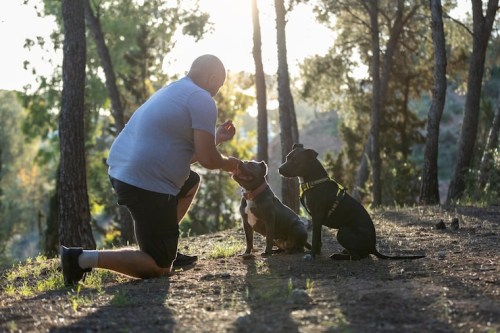
In the bustling neighborhoods of San Francisco from the colorful streets of the Mission District to the hilly paths of Potrero Hill and the vibrant energy of SoMa, Dogpatch, Bernal Heights, the Castro District, and Noe Valley dog owners are rethinking how they raise their puppies. Gone are the days when sharp commands and corrections dominated the training scene. Today, a gentler approach is winning hearts and wagging tails across the Bay Area.
Positive reinforcement training, which rewards desired behaviors with treats, praise, or play rather than punishing mistakes, has steadily gained traction among owners seeking more humane and effective methods. This shift reflects a broader cultural change in how we view our canine companions: not as animals to be dominated, but as family members whose emotional well-being matters.
Your dog’s daily struggles pulling, mealtime anxiety, or reactivity don’t just cause stress, they chip away at the joy of being together. At Prime Paw, our positive reinforcement-based programs meet your dog where they are and build confidence, connection, and real skills. Our tailored programs in-person classes, coaching, and online resources help you enjoy calmer walks, relaxed routines, and a deeper connection. Ready for lasting change? Schedule a Prime Paw consultation today!
The Rise of Humane Training in Urban Dog Culture
Walk through any San Francisco park on a weekend morning and you’ll spot the difference. Puppies learning to sit or walk calmly on leash aren’t cringing from raised voices or leashes yanked tight. Instead, they’re eagerly watching their handlers, eyes bright with anticipation of the next reward. This scene plays out daily in neighborhoods where busy professionals and families juggle work, life, and puppy parenthood.
The trend isn’t just anecdotal. Across North America, pet owners are increasingly drawn to services that prioritize their dog’s comfort and happiness. The pet services sector continues to expand as disposable incomes rise and people invest in premium, customized experiences for their pets. Growing financial capacity fuels demand for personalized training programs that enhance pet’s comfort and lifestyle, particularly in urban settings where structured support meets the needs of busy households.
In a city like San Francisco, where apartments are small and sidewalks busy, the need for well-mannered dogs feels especially urgent. Yet owners want solutions that build trust rather than fear.
What Makes Positive Reinforcement Different
At its core, positive reinforcement focuses on catching dogs doing something right and rewarding it immediately. Trainers use treats, toys, or affection to mark good choices, helping puppies associate behaviors like coming when called or staying calm around other dogs with positive outcomes.
This method stands in contrast to older dominance-based techniques that relied on corrections. Research and practical experience show that reward-based training often leads to dogs that are more confident, less anxious, and quicker to learn new skills in varied environments.
For many owners in the Bay Area, the appeal lies in its practicality. Puppies in dense urban settings face constant distractions barking dogs, clanging cable cars, skateboarders whizzing by. Positive reinforcement equips them with the tools to navigate these challenges without stress.
Personalized Training Tailored to Each Puppy’s Needs
Not all puppies are the same, and effective training recognizes that. Some arrive energetic and mouthy, others shy and easily overwhelmed. Programs that adapt to individual behavior patterns deliver better results than one-size-fits-all classes.
Experienced trainers combine structured lessons with opportunities for safe socialization. In supervised group settings, young dogs learn to interact appropriately with others while building resilience to real-world stimuli. This dual focus training plus socialization in one controlled location saves time for busy San Francisco residents who struggle to find consistent hours in their schedules.
Methods rely exclusively on positive techniques. No harsh tools or intimidation. Instead, certified professionals guide owners through techniques that strengthen the human-dog bond and set puppies up for lifelong good behavior.
Addressing Common Concerns of New Puppy Owners
Many first-time dog parents hesitate when considering professional training. Cost often tops the list of worries. While quality programs require investment, owners frequently discover that early intervention prevents far more expensive behavioral issues later, such as reactivity or destruction that could lead to rehoming.
Others wonder whether training will actually work for their particular puppy. Skepticism is understandable, especially after hearing stories of dogs that seemed unresponsive. Yet when methods match the dog’s personality and learning style, progress often comes faster than expected. Patience and consistency from the owner play crucial roles, turning doubt into delight as skills emerge.
Time constraints present another real hurdle in fast-paced neighborhoods like SoMa or the Castro. Full-time jobs, commutes, and family obligations leave little room for daily training sessions. Group classes or combined training-socialization programs help by providing structured support and accountability, making consistent attendance more manageable.
Why Location and Community Matter in Puppy Development
San Francisco’s unique environment shapes what successful puppy raising looks like. Tight living quarters mean dogs must learn calm indoor behavior. Crowded sidewalks demand polite leash manners. Diverse social scenes require comfort around all kinds of people and animals.
Training facilities located within target communities offer convenience and relevance. Owners can attend sessions without long drives across the city, increasing the likelihood they’ll stick with the program. Local classes also foster connections among neighbors who share similar challenges and triumphs.
The Science and Heart Behind Reward-Based Methods
Trainers with deep experience in animal behavior understand that positive reinforcement aligns with how dogs naturally learn. It builds motivation through success rather than suppressing behavior through fear. The result is often a more enthusiastic learner and a stronger relationship built on mutual respect.
Owners frequently report unexpected benefits beyond basic commands. Dogs become more eager to engage, less prone to anxiety in new situations, and better at self-regulating emotions. These outcomes matter deeply in urban settings where unpredictable encounters are part of daily life.
Getting Started with Positive Reinforcement in San Francisco
For those exploring options, the first step involves finding programs that emphasize individualized attention and proven humane techniques. Look for small class sizes that allow trainers to address specific needs rather than rushing through generic curricula.
Consider facilities that integrate training with safe socialization opportunities. This combination helps puppies develop confidence while learning essential skills. Certified trainers who stay current with behavioral science can guide owners through challenges unique to city living.
Start early, ideally during the critical developmental window when puppies are most receptive to new experiences. Consistency at home reinforces what happens in class, creating lasting habits.
Looking Ahead: A More Compassionate Approach to Dog Training
As awareness grows, positive reinforcement continues to reshape expectations for what good training looks like. In neighborhoods across San Francisco and beyond, more owners are choosing methods that honor their dog’s emotional lives while delivering reliable results.
The shift brings practical advantages too. Well-trained dogs from positive programs tend to be more welcome in public spaces, easier to live with, and less likely to develop serious behavioral problems. For families and individuals navigating the joys and demands of puppy parenthood in a vibrant city, these humane approaches offer both peace of mind and genuine connection.
Ultimately, the growing popularity of positive reinforcement reflects something deeper: a recognition that our dogs thrive when we meet them with patience, understanding, and respect. In the hills and valleys of San Francisco, that realization is creating happier dogs and more fulfilled owners one rewarded behavior at a time.
Frequently Asked Questions
What is positive reinforcement dog training and how does it differ from traditional methods?
Positive reinforcement training rewards desired behaviors with treats, praise, or play rather than punishing mistakes or using corrections. Unlike older dominance-based techniques that relied on leash yanks or sharp commands, this approach focuses on catching dogs doing something right and marking that behavior immediately with a reward. Research shows that reward-based training produces dogs that are more confident, less anxious, and quicker to learn all without damaging the human-dog bond.
Is positive reinforcement training effective for puppies in busy urban environments like San Francisco?
Yes reward-based methods are especially well-suited for city living, where puppies face constant distractions like traffic noise, crowded sidewalks, and unfamiliar people and animals. Positive reinforcement equips puppies with the tools to stay calm and focused amid real-world stimuli rather than reacting out of stress or fear. Programs that combine structured training with supervised socialization are particularly effective for urban owners, helping puppies build both essential skills and confidence simultaneously.
When should I start positive reinforcement training with my puppy, and is it worth the cost?
Experts recommend starting as early as possible, ideally during the critical developmental window when puppies are most receptive to new experiences. While quality training programs require an upfront investment, early intervention typically prevents far more costly behavioral problems down the line such as reactivity, anxiety, or destructive habits. Consistent attendance at group or personalized classes, paired with reinforcement at home, delivers lasting results that make the investment worthwhile.
Disclaimer: The above helpful resources content contains personal opinions and experiences. The information provided is for general knowledge and does not constitute professional advice.
You may also be interested in: Community Clinics Offer Free Workshops on Trust-Centered Dog Training Techniques
Your dog’s daily struggles pulling, mealtime anxiety, or reactivity don’t just cause stress, they chip away at the joy of being together. At Prime Paw, our positive reinforcement-based programs meet your dog where they are and build confidence, connection, and real skills. Our tailored programs in-person classes, coaching, and online resources help you enjoy calmer walks, relaxed routines, and a deeper connection. Ready for lasting change? Schedule a Prime Paw consultation today!
Powered by flareAI.co