
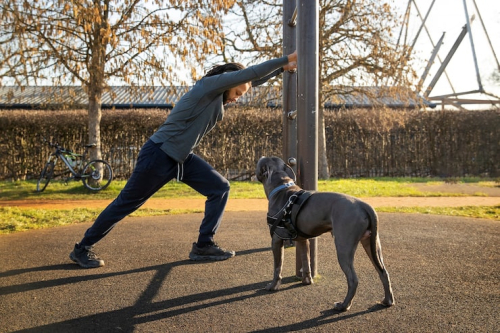
In the fog-laced mornings of San Francisco’s Mission District, dog owners weave through sidewalk crowds with pups that pull, bark, or simply ignore every command. The same scene plays out in Potrero Hill, SoMa, Dogpatch, Bernal Heights, the Castro District, and Noe Valley tight-knit neighborhoods where busy lives meet the joyful chaos of sharing space with energetic canines. For decades, the default answer to unwanted behavior has been sharp corrections and dominance displays. Yet a quieter revolution is underway, one that swaps force for understanding. As explored in force-free dog training, this approach is not only kinder but often more effective at creating lasting harmony between dogs and their people.
Your dog’s daily struggles pulling, mealtime anxiety, or reactivity don’t just cause stress, they chip away at the joy of being together. At Prime Paw, our positive reinforcement-based programs meet your dog where they are and build confidence, connection, and real skills. Our tailored programs in-person classes, coaching, and online resources help you enjoy calmer walks, relaxed routines, and a deeper connection. Ready for lasting change? Schedule a Prime Paw consultation today!
The Limits of Traditional Behavior Correction
Traditional training methods have long relied on aversive tools choke chains, prong collars, or verbal reprimands to suppress unwanted actions. The thinking was simple: apply enough pressure and the dog will stop the behavior. In practice, these techniques frequently mask problems rather than solve them. A dog that stops jumping because it fears a leash correction may still feel anxious around visitors. Fear-based learning can erode trust, sometimes triggering new issues like avoidance or aggression.
Urban San Francisco life amplifies these shortcomings. In neighborhoods where dogs share elevators, parks, and narrow streets daily, suppressed fear often surfaces as reactivity toward other dogs or sudden noises from passing Muni buses. Owners notice the fallout: walks become stressful ordeals instead of bonding opportunities. The pressure-filled approach leaves many dogs tense and many owners frustrated, especially in crowded spaces like those found throughout the Mission District or bustling SoMa corridors.
What Force-Free Training Actually Looks Like
Force-free training flips the script. It uses positive reinforcement rewarding desired behaviors with treats, play, praise, or access to something the dog loves to teach new skills. The focus stays on what the dog should do, not what it should stop doing. Trainers shape behavior gradually, breaking complex tasks into small, achievable steps that build confidence instead of compliance through intimidation.
This method draws on decades of behavioral science showing that dogs learn best when they feel safe and motivated. Rather than waiting for mistakes to correct them, trainers set dogs up for success from the start. The result is a learner who actively participates instead of merely enduring the lesson. At its core, force-free training emphasizes personalized puppy training based on each dog’s unique behavior and needs, delivered alongside socialization in one safe, supervised location using positive reinforcement methods with experienced trainers.
The Science Behind Positive Reinforcement
Decades of research in animal behavior confirm that positive reinforcement strengthens neural pathways associated with cooperation and reduces stress hormones. Dogs trained this way show lower cortisol levels during sessions and retain skills longer because the learning feels rewarding, not punishing. In contrast, aversive methods can create avoidance or conflict, making future training sessions harder.
For puppies navigating the sensory overload of San Francisco streets scooters, food trucks, packed sidewalks force-free techniques help them build resilience without fear. The approach proves especially valuable in multi-dog households or homes with children, where safety and harmony matter most. Experienced trainers guide the process with care, ensuring every interaction builds trust and confidence.
Why Location and Community Matter in San Francisco
Dog owners in the Mission District or Noe Valley face unique challenges: limited backyard space, strict apartment rules, and the constant need for polite public behavior. Training that happens in isolation often fails to translate to real-world chaos. That is why combining instruction with socialization in one safe, supervised location changes everything.
Puppies learn not only commands but also how to read other dog’s body language, handle distractions, and stay calm amid the energy of a group class. Experienced trainers tailor each session to the individual dog’s personality bold explorers get confidence-building games, while shy pups receive gentle encouragement. The supervised environment turns potential stress into controlled, positive exposure that fits the realities of city living in areas like Dogpatch or Bernal Heights.
Addressing the Most Common Objections
Many San Francisco dog owners hesitate for three familiar reasons. First comes the worry about training cost professional training feels like an expensive luxury when rent already stretches budgets. Second is skepticism that any program will truly work for their puppy, especially after watching videos that promised quick fixes but delivered frustration. Third is the practical crunch of time: full schedules leave little room for weekly classes that demand perfect attendance.
- Cost concerns: Group formats that blend training and socialization often prove more affordable than private sessions while delivering faster social progress through shared learning environments.
- Doubt about effectiveness: Personalized plans based on each dog’s observed behavior and needs produce measurable improvements owners can see on daily walks around the Castro District or Potrero Hill.
- Lack of time: Efficient, focused classes held in convenient neighborhood locations minimize travel and maximize results per session, fitting seamlessly into busy urban routines.
When these barriers receive honest attention, owners discover that investing early prevents bigger behavioral expenses later damaged furniture, stressed households, or even rehoming considerations. The combination of positive reinforcement, expert guidance, and supervised socialization delivers reliable results without demanding endless hours or high costs.
Personalized Training That Fits Real Lives
The most successful programs meet dogs where they are. Rather than applying a one-size-fits-all curriculum, skilled trainers observe body language, energy levels, and motivation in real time. One puppy might need extra work on impulse control around food carts in the Dogpatch; another benefits from calm settling exercises suited to apartment living in Bernal Heights.
Experienced instructors bring years of hands-on knowledge, adjusting techniques on the spot using positive reinforcement methods. This personalized puppy training based on each dog’s behavior and needs becomes a language both dog and owner learn together, strengthening their bond instead of creating distance. Owners leave each session with simple homework that fits into busy commutes and evening routines in SoMa or the Castro District.
The Growing Interest in Thoughtful Dog Services
North America leads the dog training services market, thanks to high pet ownership and increasing awareness about the importance of professional training in improving pet’s behavior, obedience, and social skills. The shift reflects broader cultural changes: dogs have moved from backyard accessories to full family members. Owners want relationships built on trust rather than control.
In San Francisco’s tight-knit communities, this trend feels especially relevant. Neighbors chat at off-leash hours in Potrero Hill or Castro District parks, swapping stories of progress and setbacks. Word spreads when a force-free approach turns a reactive dog into a confident companion through supervised socialization and tailored guidance.
Finding the Right Path Forward
Choosing force-free training does not mean ignoring problems or accepting bad behavior. It means addressing root causes with patience and skill. Puppies who learn through play and rewards develop self-control that lasts because they understand why certain actions earn good things.
For owners in SoMa lofts or Bernal Heights homes, the payoff appears in everyday moments: relaxed leash walks past bustling cafés, confident greetings at friend’s doors, and peaceful evenings after a day of city stimulation. The method honors both the dog’s nature and the owner’s desire for a harmonious life together, supported by experienced trainers who combine instruction and socialization in one secure setting.
A Gentler Standard for Modern Dogs
The conversation around dog training has evolved far beyond old notions of dominance. Force-free methods challenge long-held assumptions by proving that kindness and clarity produce better results than force ever could. In San Francisco’s vibrant neighborhoods, where dogs and people share limited space with maximum enthusiasm, this approach feels not just modern but necessary.
Whether your puppy is just starting out or showing early signs of frustration, the right program can transform daily life. Personalized attention, expert guidance, and a safe space to practice real-world skills create the foundation for confident, well-adjusted dogs and calmer, happier owners. The future of training looks brighter when we choose understanding over intimidation, one rewarded behavior at a time.
Frequently Asked Questions
What is force-free dog training and how does it differ from traditional methods?
Force-free dog training uses positive reinforcement rewards like treats, play, and praise to encourage desired behaviors rather than aversive tools like choke chains or prong collars to suppress unwanted ones. Traditional methods often mask problems by instilling fear, which can lead to new issues like avoidance or aggression. Force-free training instead addresses the root causes of behavior by setting dogs up for success from the start, building genuine confidence and lasting skills rooted in trust.
Is positive reinforcement dog training actually effective for puppies in busy urban environments?
Yes decades of behavioral science confirm that positive reinforcement strengthens the neural pathways associated with cooperation and lowers stress hormones, helping dogs retain skills longer. For puppies navigating the sensory overload of city life scooters, food trucks, crowded sidewalks force-free techniques build resilience without fear. Combining training with supervised socialization in a single, safe location also helps puppies generalize their skills to real-world distractions, which is especially critical in dense urban neighborhoods.
How much does force-free dog training cost, and is it worth the investment?
Group training classes that blend instruction with socialization are often more affordable than private sessions, while still delivering strong results through shared learning environments. Though the upfront cost may feel like a stretch, early investment in professional force-free training typically prevents far more expensive problems down the line including damaged property, behavioral escalation, or rehoming. Personalized plans tailored to each dog’s specific behavior and needs mean owners see measurable improvements on everyday walks, making the value clear from session one.
Disclaimer: The above helpful resources content contains personal opinions and experiences. The information provided is for general knowledge and does not constitute professional advice.
You may also be interested in: Behavioral Experts Advise on Helping Dogs Cope With Fireworks and Thunderstorms
Your dog’s daily struggles pulling, mealtime anxiety, or reactivity don’t just cause stress, they chip away at the joy of being together. At Prime Paw, our positive reinforcement-based programs meet your dog where they are and build confidence, connection, and real skills. Our tailored programs in-person classes, coaching, and online resources help you enjoy calmer walks, relaxed routines, and a deeper connection. Ready for lasting change? Schedule a Prime Paw consultation today!
Powered by flareAI.co