
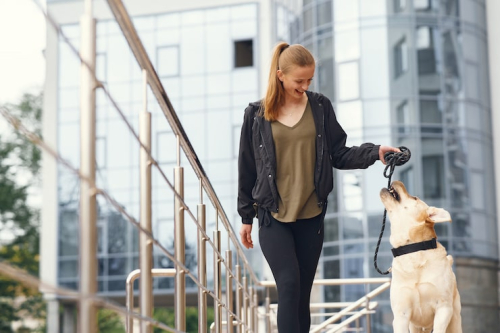
In the bustling neighborhoods of San Francisco, where dogs trot alongside their humans through the colorful streets of the Mission District or sniff out new friends in Potrero Hill, a quiet revolution is reshaping how we teach our puppies. Gone are the days when training meant correction and control. Today, the shift toward trust building offers something far more effective: a partnership rooted in understanding, patience, and mutual respect. For busy owners juggling work in SoMa or weekend hikes in Bernal Heights, this evolution feels less like a passing trend and more like the logical next step in responsible pet parenting.
Your dog’s daily struggles pulling, mealtime anxiety, or reactivity don’t just cause stress, they chip away at the joy of being together. At Prime Paw, our positive reinforcement-based programs meet your dog where they are and build confidence, connection, and real skills. Our tailored programs in-person classes, coaching, and online resources help you enjoy calmer walks, relaxed routines, and a deeper connection. Ready for lasting change? Schedule a Prime Paw consultation today!
The End of the Old School: Why Aversive Methods Are Fading
For decades, many trainers leaned on dominance-based tactics such as leash jerks, shock collars, and stern commands meant to establish who was in charge. These approaches often delivered fast compliance, yet they frequently left puppies anxious, fearful, or emotionally withdrawn. Emerging research and everyday experience now confirm that fear-driven methods can erode the very bond owners seek to strengthen. Dogs conditioned through aversion may follow orders out of apprehension rather than genuine willingness, which can surface as stress-related issues from excessive barking echoing through the Castro District to hesitation during play in Noe Valley.
The turn toward trust-based training rests on a clearer understanding: dogs thrive when they feel secure and motivated. Positive reinforcement rewards the behaviors we want with treats, praise, or play, reinforcing confidence instead of diminishing it. This approach mirrors how today’s pet parents see their dogs not as animals to dominate, but as family members worthy of empathy and guidance.
The Science of Trust: How Positive Reinforcement Changes Everything
At its foundation, the departure from aversive techniques draws on decades of behavioral science. Like humans, dogs respond far more effectively to encouragement than to punishment. A skilled trainer who marks the precise instant a puppy sits calmly and immediately offers a reward creates a powerful association: the action feels good, so the dog repeats it willingly. Over time, this strengthens the neural pathways linked to calm, focused behavior rather than reactive fear.
Seasoned professionals now prioritize reading subtle body-language cues in real time. A loose tail wag or soft ears indicate readiness to learn, while a tucked tail or averted gaze signals the need for a slower, gentler pace. The outcome is a puppy that does not merely obey but actively enjoys the process. In San Francisco’s tight urban quarters, where apartments in Dogpatch or Bernal Heights require reliable manners, this foundation of trust makes everyday life noticeably smoother for dogs and humans alike.
Personalized Training Tailored to Your Puppy’s Needs
No two puppies arrive with identical personalities, even within the same litter. One may pull eagerly on leash walks through the Mission District while another startles at the sound of a passing skateboard in SoMa. Today’s most effective programs begin with thorough observation, then design individualized plans around each dog’s unique temperament, energy level, and specific hurdles. This tailored method leaves behind the outdated one-size-fits-all scripts that once defined the industry.
Trainers evaluate behavior from the very first session and fine-tune exercises as the puppy progresses. A high-energy dog from Potrero Hill might thrive with movement-rich games, whereas a more reserved pup in Noe Valley benefits from gradual confidence-building exercises. The consistent aim is to set the dog up for success while equipping the owner with sharper observation skills and practical tools for ongoing guidance.
Training and Socialization Under One Safe Roof
One of the most practical advances in modern puppy development merges structured training with carefully supervised socialization in a single secure setting. Rather than relying on chance encounters at the park to teach social skills, dedicated facilities provide controlled group environments where puppies master polite greetings, shared space, and clear play signals under watchful professional eyes.
This combined focus is especially valuable in the dense urban corridors of the Castro District or Dogpatch, where dogs face nonstop stimuli. Puppies rehearse impulse control and calm focus amid real-world distractions that closely resemble neighborhood life. The supervised format removes uncertainty and risk, allowing owners to rest easy knowing their dog is forming healthy associations with other dogs and people.
Experienced Trainers Who Put Positive Reinforcement First
Superior programs depend on trainers who have refined their craft through years of direct work with thousands of dogs. These experts recognize that positive reinforcement is far more than simply “being kind” it is a precise, science-backed technique that speeds learning while safeguarding emotional health. They walk owners through each step, showing how small refinements in timing or reward selection can dramatically shift a puppy’s responses.
Instead of force, they demonstrate calm, consistent leadership that puppies instinctively follow. Families leave sessions with both a better-behaved dog and the practical knowledge to reinforce lessons at home, transforming routine moments in Bernal Heights or the Mission District into meaningful opportunities for growth and connection.
Addressing the Real Concerns of San Francisco Dog Owners
Puppy parents often pause for understandable reasons. Class fees can feel substantial when SoMa rents already test household budgets. Doubts remain about whether training will truly take hold for their particular dog. And carving out consistent time amid hectic schedules in Noe Valley or Potrero Hill can seem daunting.
Contemporary programs confront these barriers directly. Flexible scheduling and streamlined, outcome-oriented sessions reduce the time demand without compromising results. Personalized plans deliver visible progress early, helping owners see the investment translating into a calmer, more confident companion. Clear explanations of session value and transparent pricing underscore the long-term payoff: fewer behavior problems that could prove far more costly later.
- Concerned about cost? Many programs deliver measurable improvements through focused packages that fit real budgets.
- Worried it won’t work for your puppy? Individual assessments guarantee the plan matches your dog’s exact temperament and learning style.
- Short on time? High-impact sessions are designed to integrate seamlessly into even the busiest San Francisco calendars.
Why This Shift Matters in San Francisco’s Neighborhoods
From the steep hills of Bernal Heights to the lively pulse of the Mission District, San Francisco dog owners share one core hope: a well-mannered companion who flourishes amid city energy. Trust-based training delivers precisely that. Puppies learn to handle crowded sidewalks, lively parks, and apartment elevators with poise instead of panic, making outings safer and more pleasurable for all.
Owners in Dogpatch or the Castro District notice fewer episodes of pulling, jumping, or reactivity because their dogs grasp expectations through consistent, positive cues. The method also nurtures a deeper human-canine bond, converting ordinary walks into genuine moments of partnership rather than negotiation. In a city where dogs are integral to daily routines, this refined approach to training feels both timely and essential.
The Expanding World of Professional Pet Training
The global pet training services market was valued at $3.83 billion in 2021. This steady expansion highlights a broader cultural recognition that professional guidance serves as a worthwhile investment in a dog’s well-being and a family’s quality of life. Owners increasingly seek programs that deliver practical skills alongside meaningful emotional development.
In San Francisco the pattern follows national momentum yet carries a distinctly local flavor. Urban density and active lifestyles heighten the demand for dogs that can manage stimulation without becoming overwhelmed. Services that integrate training with socialization meet that need head-on, guiding puppies toward confident, community-minded behavior.
Building a Future of Stronger Bonds
The transition to trust-building methods represents far more than a change in technique it reflects a deeper appreciation of what dogs genuinely require from us. By emphasizing positive reinforcement, personalization, and safe socialization, today’s training helps puppies mature into secure, joyful companions equipped for whatever San Francisco life presents.
For owners throughout the Mission District, Potrero Hill, SoMa, Dogpatch, Bernal Heights, the Castro District, Noe Valley, and surrounding areas, the advantages reach well beyond basic commands. They gain a dog that listens because it wants to, not because it must. They cultivate a relationship grounded in trust rather than fear. And they become part of a growing community of pet parents who understand that the most effective training is also the most humane.
The future of dog training appears brighter, kinder, and considerably more successful than earlier methods ever allowed. In a city that prizes both innovation and compassion, this evolution feels perfectly at home.
Frequently Asked Questions
Why are dog trainers moving away from aversive training methods like shock collars and leash jerks?
Research and real-world experience have shown that fear-based and dominance-driven techniques often leave dogs anxious, fearful, or emotionally withdrawn. Dogs trained through aversion tend to comply out of apprehension rather than genuine willingness, which can lead to stress-related behaviors like excessive barking or reactivity. Trust-based, positive reinforcement methods have proven more effective because they build confidence, strengthen the human-canine bond, and produce dogs that *want* to learn.
What is positive reinforcement dog training and how does it work?
Positive reinforcement training rewards desired behaviors such as sitting calmly or walking politely on leash with treats, praise, or play the moment they occur. This precise timing creates a strong association in the dog’s brain: the behavior feels rewarding, so the dog repeats it willingly. Over time, this approach builds reliable, happy obedience while also supporting the puppy’s emotional health and overall confidence.
How do modern puppy training programs address socialization alongside basic obedience?
Today’s leading puppy programs combine structured obedience training with carefully supervised socialization in a single safe environment, rather than leaving social development to chance encounters at the park. Puppies practice polite greetings, impulse control, and calm focus around other dogs and people all under professional guidance. This integrated approach is especially valuable in urban settings, where dogs are constantly exposed to crowds, noise, and stimulation, and need a strong foundation to navigate it confidently.
Disclaimer: The above helpful resources content contains personal opinions and experiences. The information provided is for general knowledge and does not constitute professional advice.
You may also be interested in: Canine Researchers Present Findings on the Effects of Owner Consistency in Training Success
Your dog’s daily struggles pulling, mealtime anxiety, or reactivity don’t just cause stress, they chip away at the joy of being together. At Prime Paw, our positive reinforcement-based programs meet your dog where they are and build confidence, connection, and real skills. Our tailored programs in-person classes, coaching, and online resources help you enjoy calmer walks, relaxed routines, and a deeper connection. Ready for lasting change? Schedule a Prime Paw consultation today!
Powered by flareAI.co