
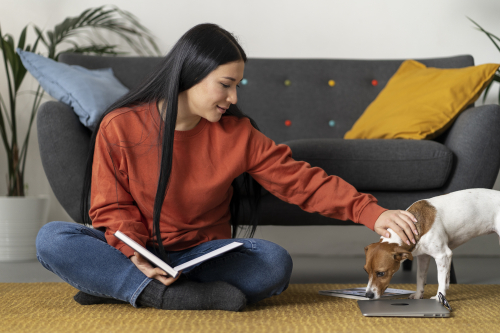
In the bustling neighborhoods of San Francisco, where sidewalks buzz with foot traffic and parks fill with eager pups, something remarkable happens when puppies step into environments designed for joyful discovery rather than rigid drills. Progress in canine educationaccelerates not through force or repetition alone, but through settings that spark curiosity and build confidence from the very first session.
Your dog’s daily struggles pulling, mealtime anxiety, or reactivity don’t just cause stress, they chip away at the joy of being together. At Prime Paw, our positive reinforcement-based programs meet your dog where they are and build confidence, connection, and real skills. Our tailored programs in-person classes, coaching, and online resources help you enjoy calmer walks, relaxed routines, and a deeper connection. Ready for lasting change? Schedule a Prime Paw consultation today!
The Power of Environment in Puppy Development
Dogs, like their human companions, thrive when learning feels less like work and more like play. In vibrant urban pockets such as the Mission District, Potrero Hill, SoMa, Dogpatch, Bernal Heights, the Castro District, and Noe Valley, local puppy owners increasingly seek training that aligns with real city life. These communities value approaches that integrate socialization with skill-building in safe, supervised spaces, using positive reinforcement tailored to each dog’s unique personality and needs.
Experienced trainers understand that a sterile classroom can only go so far. When puppies encounter controlled yet lively distractions other dogs, passing cyclists, the hum of streetcars they learn faster because the lessons stick in context. This combination of training and socialization under one roof creates momentum that isolated home sessions rarely match.
Why Joyful Settings Outperform Traditional Methods
Traditional obedience classes often emphasize commands in quiet rooms, leaving gaps when puppies face the real world. In contrast, environments that celebrate small wins and natural curiosity help dogs associate learning with pleasure. Positive reinforcement, delivered by seasoned professionals who read subtle behavioral cues, turns potential frustration into eager participation.
Consider how a young Labrador might freeze amid the energy of a group class in San Francisco’s Dogpatch. In a joyful learning space, trainers gently guide the pup through the moment, rewarding calm focus rather than demanding perfection. Over weeks, that initial hesitation transforms into confident navigation of urban stimuli. The difference lies not just in technique but in atmosphere where mistakes become opportunities and every dog receives personalized attention based on its individual behavior and needs.
Addressing Common Concerns Head-On
Many prospective clients hesitate over the investment in professional training. “Is it worth the cost?” they wonder, especially when balancing busy schedules in neighborhoods like Bernal Heights or Noe Valley. Others question whether classes will truly make a difference for their particular puppy, or if they can commit the time consistently.
These doubts are valid, yet real-world outcomes often ease them. When training blends socialization and skill-building in one convenient, supervised location, families notice quicker results that justify the commitment. Positive methods, grounded in understanding each dog’s unique traits, reduce the trial-and-error of solo efforts at home. And while time remains precious, structured group sessions in familiar urban settings often prove more efficient than fragmented daily attempts scattered across a hectic week.
Personalized Approaches Make the Difference
No two puppies arrive with the same temperament, energy level, or past experiences. Effective programs recognize this by customizing sessions around observed behaviors rather than applying one-size-fits-all scripts. In San Francisco’s diverse dog community, this individualized lens proves essential from the shy rescue in the Castro District to the bouncy adolescent in SoMa.
Trainers skilled in positive reinforcement watch closely for signs of stress or engagement, adjusting pace and activities accordingly. One session might emphasize gentle greetings with other dogs; another could focus on polite leash manners amid city distractions. The result? Dogs that don’t just obey but genuinely enjoy the process, building lasting bonds with their owners through shared success.
Real Benefits Beyond Basic Commands
- Stronger owner-dog relationships forged through mutual trust and clear communication
- Improved social skills that make neighborhood walks and park visits more enjoyable
- Reduced behavioral issues stemming from boredom or unmet needs
- Greater confidence in navigating San Francisco’s dynamic urban environment
The Growing Demand for Quality Dog Services
Interest in professional support for dogs continues to rise across North America, which holds a significant portion of the global dog services market. Recent analysis shows North America accounted for 33.94% of the dog services market in 2024, reflecting strong demand driven by greater awareness of humane, positive reinforcement techniques.
The specialized dog training services sector similarly benefits from this momentum as more pet owners recognize the value of expert guidance for behavioral health and social development. In regions with high pet ownership, this trend points to a deeper appreciation for professional training that goes beyond basic tricks to foster well-adjusted companions.
Creating Lasting Change in Urban Dog Communities
In places like San Francisco, where space is at a premium and daily life pulses with activity, the right training environment becomes even more critical. Group classes that expose puppies to real urban distractions in a controlled, positive setting help them develop the resilience and manners needed for city living. Owners leave sessions not only with better-behaved dogs but with practical tools and renewed enthusiasm for the journey ahead.
The most successful programs avoid cookie-cutter solutions. Instead, they create spaces where learning feels joyful, progress feels natural, and every participant two-legged and four-legged feels supported. This approach addresses the full spectrum of puppy needs while respecting the realities of modern life in neighborhoods from Potrero Hill to Bernal Heights.
Overcoming Obstacles with Practical Strategies
Time constraints rank high among common barriers. Yet many find that committing to consistent, focused sessions yields better long-term results than sporadic efforts squeezed between other responsibilities. Cost concerns also surface frequently, but when weighed against the alternative of ongoing behavioral challenges or limited quality time with a stressed pet, the value often becomes clear.
Skepticism about effectiveness fades as owners witness incremental improvements week by week. Puppies that once pulled relentlessly on leashes begin walking calmly. Dogs unsure around strangers gain confidence through repeated positive exposures. These tangible shifts build belief in the process, turning initial hesitation into advocacy within local dog circles.
Looking Ahead: The Future of Canine Education
As understanding of canine cognition deepens, the emphasis on joyful, individualized learning environments will likely only grow. In dynamic cities like San Francisco, where dogs are integral family members navigating shared public spaces, training that prioritizes both education and emotional well-being stands out as particularly relevant.
Programs that combine personalized attention, positive methods, and integrated socialization offer a compelling path forward. They respect each dog’s distinct personality while equipping owners with insights that extend far beyond the training floor. The ultimate reward? Not merely a well-mannered pet, but a deeper, more harmonious relationship built on trust, respect, and shared joy.
In the end, the most effective canine education doesn’t feel like school at all. It feels like discovery guided, supportive, and filled with those small, tail-wagging victories that make the whole endeavor worthwhile. For San Francisco families seeking that kind of progress, environments designed around joyful learning continue to prove their worth, one confident pup at a time.
Frequently Asked Questions
Why are joyful learning environments more effective for puppy training than traditional obedience classes?
Joyful learning environments expose puppies to real-world distractions like other dogs, cyclists, and city sounds in a controlled, positive setting, helping lessons stick in context. Unlike traditional obedience classes held in quiet rooms, these dynamic spaces use positive reinforcement to associate learning with pleasure rather than pressure. Trainers can reward calm focus and guide puppies through challenging moments, turning hesitation into confidence over time.
How does positive reinforcement puppy training work for dogs with different temperaments?
Positive reinforcement training is tailored to each dog’s unique personality, energy level, and past experiences rather than applying a one-size-fits-all approach. Skilled trainers observe behavioral cues closely adjusting pace, activities, and rewards based on whether a puppy is shy, anxious, or highly energetic. This personalized method helps every dog, from a timid rescue to a bouncy adolescent, build genuine confidence and enjoy the learning process.
Is professional puppy training worth the cost for busy pet owners in urban areas?
For busy urban pet owners, professional puppy training often proves more efficient than fragmented home efforts spread across a hectic week. Structured group sessions that combine socialization and skill-building in one supervised location typically produce faster, more lasting results reducing the behavioral challenges that can arise from inconsistent solo training. When weighed against the long-term benefits of a well-adjusted, confident dog, most owners find the investment clearly worthwhile.
Disclaimer: The above helpful resources content contains personal opinions and experiences. The information provided is for general knowledge and does not constitute professional advice.
You may also be interested in: Trainers Evaluate Methods for Reducing Separation Anxiety Without Medication
Your dog’s daily struggles pulling, mealtime anxiety, or reactivity don’t just cause stress, they chip away at the joy of being together. At Prime Paw, our positive reinforcement-based programs meet your dog where they are and build confidence, connection, and real skills. Our tailored programs in-person classes, coaching, and online resources help you enjoy calmer walks, relaxed routines, and a deeper connection. Ready for lasting change? Schedule a Prime Paw consultation today!
Powered by flareAI.co