
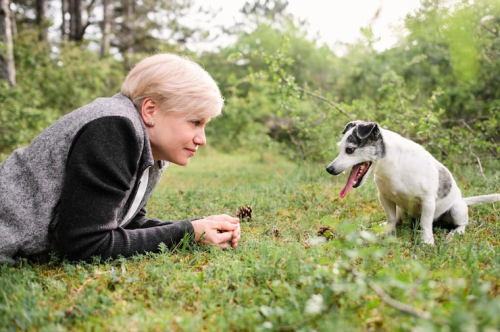
Bringing home a new puppy often starts with pure delight the wagging tail, the playful energy, the instant bond. Yet within weeks, that same bundle of joy can leave shoes shredded, recall commands ignored, and household routines in disarray. This scene plays out regularly in San Francisco neighborhoods such as the Mission District, Potrero Hill, SoMa, Dogpatch, Bernal Heights, the Castro District, Noe Valley, and beyond. What truly separates overwhelmed owners from those who enjoy calm walks and relaxed evenings is one quiet but powerful element: consistency in training.
Consistency does not dazzle with quick fixes or dramatic claims. Instead, it steadily lays the groundwork for lifelong good behavior, converting scattered impulses into dependable habits. For busy professionals and families across the Bay Area, where schedules leave little room for error, grasping this principle can shift the entire puppy-raising experience from draining to deeply rewarding.
Your dog’s daily struggles pulling, mealtime anxiety, or reactivity don’t just cause stress, they chip away at the joy of being together. At Prime Paw, our positive reinforcement-based programs meet your dog where they are and build confidence, connection, and real skills. Our tailored programs in-person classes, coaching, and online resources help you enjoy calmer walks, relaxed routines, and a deeper connection. Ready for lasting change? Schedule a Prime Paw consultation today!
Why Consistency Matters More Than You Think
Puppies, like young children, flourish under clear and predictable guidance. When commands, rewards, and limits stay the same from one day to the next, learning accelerates and retention improves dramatically. Mixed signals permitting jumping one moment and correcting it the next breed confusion that can persist well into adulthood.
Consider the parallel with teaching a child table manners. Inconsistent enforcement muddles the lesson. The same holds for dogs. Steady, patient direction helps developing brains form robust pathways for behaviors such as polite sitting or relaxed leash walking, creating habits that feel natural rather than forced.
The Science Behind Habit Formation in Puppies
The first months of life open a vital learning window during which puppies absorb information at an impressive rate. Positive reinforcement, delivered through treats, praise, or play, strengthens desired actions most effectively when applied without variation. Trainers with extensive experience understand that switching techniques or missing sessions slows or even reverses progress.
In San Francisco communities, programs like those at PrimePaw stand out by blending personalized training carefully matched to each dog’s individual behavior and needs with socialization in a single safe, supervised setting. This combined approach allows lessons to take root in realistic scenarios while maintaining an encouraging, low-pressure atmosphere.
Building Reliable Recall and Other Essential Skills
Reliable recall ranks among the most practical skills any puppy can master: responding promptly when called, even when distractions abound, whether other dogs at a park or squirrels darting through Bernal Heights. Achieving this demands consistent practice that gradually introduces greater challenges, always concluding on a successful, rewarding note.
Brief but regular sessions prove far more effective than infrequent long ones. Integrating five to ten minutes of focused work into everyday moments such as before meals or during play builds solid foundations more reliably than sporadic extended classes. Owners who embrace this steady rhythm often see their puppies growing more responsive and enthusiastic with each passing week.
Addressing Common Owner Challenges
Prospective clients in San Francisco neighborhoods frequently express concern over the investment required for professional training or wonder whether it will deliver real change for their lively puppy. Time constraints, especially for those juggling demanding careers in SoMa or Dogpatch, add another layer of hesitation. These doubts are understandable, yet the long-term rewards of a more peaceful home environment frequently justify the commitment.
PrimePaw addresses these issues directly by integrating training and socialization into unified experiences, minimizing the need for fragmented scheduling. The emphasis on positive reinforcement, guided by seasoned trainers, tailors every step to the specific dog rather than applying generic templates. This individualized method helps overcome skepticism by producing clear, observable improvements aligned with the puppy’s unique temperament.
Overcoming Time Constraints Effectively
Time scarcity stands out as a leading objection, particularly among professionals balancing full lives. The most sustainable solution involves weaving short training opportunities into routines already in place. Simple, consistent cues such as “sit” before feeding or “wait” at thresholds require little additional effort yet accumulate into significant behavioral shifts over time.
Structured group classes or supervised socialization sessions deliver high-value practice without monopolizing home hours. In these controlled environments, puppies benefit from interaction with both skilled instructors and fellow dogs, speeding socialization while equipping owners with actionable strategies they can maintain independently.
Positive Reinforcement: The Consistent Foundation
Methods grounded in rewards rather than force cultivate eager cooperation instead of mere compliance. By consistently marking and rewarding good decisions while allowing unwanted behaviors to go unrewarded, puppies learn to choose better options instinctively.
This style nurtures confidence and mutual trust. A young dog that links training moments with enjoyment and achievement matures into an adult companion eager to participate in daily activities whether threading through lively Castro District streets or settling contentedly in a Noe Valley household.
Long-Term Benefits That Extend Beyond Puppyhood
Early, consistent training influences far more than surface-level obedience. It cultivates emotional steadiness, diminishes fear-driven responses, and deepens the connection between dog and owner. Animals raised this way typically handle life changes new homes, unfamiliar faces, varied environments with greater ease and resilience.
Growing awareness of these advantages has contributed to strong interest in dog training services, with the global market valued at USD 33.27 billion in 2024 and expected to reach USD 36.46 billion in 2025. This expansion stems from urbanization, evolving lifestyles, and recognition of training’s role in fostering emotional support and harmonious relationships. Yet the true measure of success appears not in figures but in everyday realities: smoother walks, reduced behavioral friction, and richer companionship that endures for years.
Practical Tips for Maintaining Consistency at Home
- Establish household rules everyone agrees upon and follows uniformly to prevent conflicting messages.
- Employ identical verbal cues and hand signals on every occasion to reinforce clarity.
- Embed training naturally into existing daily activities instead of isolating it as an extra task.
- Celebrate incremental improvements to sustain motivation, recognizing that puppy development unfolds in subtle yet meaningful stages.
- Consult experienced professionals promptly when progress stalls or particular difficulties surface.
Choosing the Right Support for Your Puppy
Training programs vary widely in quality and outcomes. Prioritize those that highlight individualized attention, merge skill-building with safe socialization opportunities, and adhere strictly to positive, evidence-based techniques supported by knowledgeable handlers. Within San Francisco’s active dog community, providers attuned to local rhythms from the steep inclines of Potrero Hill to the bustling pace of the Mission District consistently deliver superior results.
PrimePaw demonstrates this standard through carefully supervised environments where puppies rehearse behaviors alongside structured instruction. This setup helps owners navigate time limitations while meeting each dog’s distinct requirements effectively.
Final Thoughts on Lasting Change
Consistency may appear straightforward on the surface, yet it often proves the decisive factor amid the whirlwind of puppy ownership. Young dogs do not demand flawless execution; they respond best to steady, compassionate direction that steadily earns their confidence.
For residents and families throughout San Francisco, dedicating effort to consistent, positive training yields a reliable companion prepared for whatever adventures lie ahead. The outcome reaches well beyond improved manners. It creates a more joyful, harmonious partnership that continues to enrich daily life long after the puppy phase ends.
The next time chaos strikes another chewed item or disregarded cue pause to recall that today’s patient repetition shapes tomorrow’s calm and capable dog. Begin modestly, remain steady, and observe the rewarding transformation take shape.
Frequently Asked Questions
Why is consistency so important in puppy training?
Consistency is the foundation of effective puppy training because it gives dogs clear, predictable guidance that accelerates learning and improves retention. When commands, rewards, and boundaries stay the same from day to day, puppies form strong neural pathways for good behaviors like sitting politely or walking calmly on a leash. Mixed signals such as allowing jumping one moment and correcting it the next create confusion that can persist into adulthood.
How long should puppy training sessions be to see real results?
Short, frequent sessions of 5–10 minutes are far more effective than occasional long training marathons. Weaving these sessions into everyday routines such as asking for a “sit” before meals or a “wait” at doorways builds lasting habits without requiring extra time. Puppies trained this way tend to become more responsive and enthusiastic with each passing week.
What is positive reinforcement dog training and does it actually work?
Positive reinforcement training rewards desired behaviors with treats, praise, or play, rather than relying on force or punishment. This approach teaches puppies to *choose* good behavior instinctively, building confidence and a trusting bond with their owner. Research and experienced trainers consistently show it produces eager cooperation and long-term behavioral stability resulting in a calmer, more adaptable adult dog.
Disclaimer: The above helpful resources content contains personal opinions and experiences. The information provided is for general knowledge and does not constitute professional advice.
You may also be interested in: Study Shows Structured Daily Enrichment Improves Cognitive Function in Aging Dogs
Your dog’s daily struggles pulling, mealtime anxiety, or reactivity don’t just cause stress, they chip away at the joy of being together. At Prime Paw, our positive reinforcement-based programs meet your dog where they are and build confidence, connection, and real skills. Our tailored programs in-person classes, coaching, and online resources help you enjoy calmer walks, relaxed routines, and a deeper connection. Ready for lasting change? Schedule a Prime Paw consultation today!
Powered by flareAI.co