
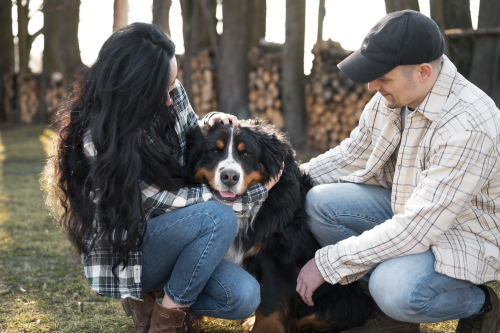
In the bustling streets of San Francisco, where apartment living meets foggy park mornings, many dog owners are discovering that a bit of structure can transform their relationships with their four-legged companions. Structured sessions strengthen bonds between dogs and owners isn’t just a feel-good idea it’s a practical approach that’s gaining traction from the Mission District to Dogpatch and beyond.
Your dog’s daily struggles pulling, mealtime anxiety, or reactivity don’t just cause stress, they chip away at the joy of being together. At Prime Paw, our positive reinforcement-based programs meet your dog where they are and build confidence, connection, and real skills. Our tailored programs in-person classes, coaching, and online resources help you enjoy calmer walks, relaxed routines, and a deeper connection. Ready for lasting change? Schedule a Prime Paw consultation today!
Why Structured Sessions Matter for Modern Dog Owners
Dogs thrive on routine and clear communication, much like their human counterparts navigating the fast-paced rhythms of city life. In neighborhoods like Potrero Hill, SoMa, Bernal Heights, Castro District, and Noe Valley, busy professionals are turning to guided training sessions to bridge the gap between hectic schedules and quality time with their pets.
These sessions go beyond basic commands. They create opportunities for mental stimulation that keeps dogs engaged and reduces common behavioral challenges such as excessive barking or leash pulling. Owners report feeling more confident and connected, turning daily walks into enjoyable shared adventures rather than stressful necessities.
The growing interest in professional programs reflects a deeper understanding: dogs aren’t just pets they’re family members who benefit from consistent guidance tailored to urban environments. This approach fosters mutual respect and helps create harmonious living situations in tight city spaces.
Emerging Trends Shaping Dog Training in San Francisco
Across the city, neighborhood-specific classes and socialization programs are popping up in community spaces and local parks. Trainers in the Mission District and Dogpatch increasingly favor science-based techniques that emphasize positive reinforcement over outdated methods.
This shift aligns with how dogs learn best through patience, consistency, and rewards that build trust rather than fear. Community events in Noe Valley and Bernal Heights bring dogs together for controlled playdates, helping them develop social skills while their owners swap stories and tips over coffee.
Local insights from sources like the City of San Francisco Animal Care & Control highlight the value of these structured approaches in creating safer, happier urban canine communities. University of California–San Francisco pet behavior resources further underscore the importance of early, consistent training for long-term wellbeing. Pet parents across North America continue to show strong interest in comprehensive dog care, seeking ways to integrate their companions more fully into daily life.
The Real Benefits: Obedience, Stimulation, and Stronger Bonds
Structured training delivers noticeable improvements in obedience that make everyday life smoother. A dog who reliably responds to cues feels safer in busy areas like SoMa streets or crowded Dolores Park. This reliability opens doors to more adventures together, from weekend hikes to relaxed outings in local cafés.
Mental stimulation during sessions prevents boredom-related issues, especially important for high-energy breeds common in city apartments. Owners notice their dogs seem calmer and more content after engaging activities that challenge their minds as much as their bodies.
Perhaps most rewarding is the deepened bond. Regular sessions foster mutual understanding and respect. That moment when your dog looks to you for guidance during a distracting situation? It’s the result of investment in structured practice, strengthening the partnership in ways that casual play simply can’t match. Training helps boost confidence, increases sociability, and enhances safety for pets and the people around them.
Neighborhood Spotlights: Training in Action Across San Francisco
In the vibrant Mission District, group classes often incorporate the area’s energetic atmosphere, teaching dogs to navigate crowds and street noises with confidence. Potrero Hill trainers focus on hill-friendly exercises that build physical coordination alongside commands, making the most of the neighborhood’s unique topography.
Dogpatch’s industrial-chic vibe lends itself to outdoor sessions near waterfront parks, while Bernal Heights residents value programs that leverage the neighborhood’s dog-friendly trails for real-world practice. In the Castro District and Noe Valley, socialization events help puppies and adult dogs alike build positive associations with diverse environments and people.
These localized approaches recognize that what works in one corner of the city might need slight adjustments in another something professional trainers excel at adapting. Similar thoughtful adaptations appear in dog-friendly communities across Canada and parts of Europe, where urban pet ownership continues to evolve with local needs.
Practical Insights from Professional Training Programs
Professional services help pet owners address specific challenges with tailored strategies. Whether it’s helping a rescue dog overcome anxiety or refining manners for a playful pup, experienced trainers bring expertise that accelerates progress and prevents common setbacks.
Many programs now blend private sessions with group activities, offering flexibility for different lifestyles and budgets. This combination provides both individualized attention and valuable real-world practice among peers, creating well-rounded learning experiences.
The specialized services provided to pets focus on teaching them to behave appropriately in various situations. These efforts establish stronger bonds between pets and their families while reducing unwanted behaviors and increasing overall safety.
Choosing the Right Equipment to Support Training Success
Reliable gear plays a supporting role in effective training. Leashes, collars, and leads remain popular choices, helping owners maintain control while ensuring comfort during sessions. Thoughtful selection of equipment enhances results without relying on force or shortcuts.
Innovative product developments and advancements in pet behavior management solutions continue to support trainers and owners alike. Whether in North American cities or European urban centers, quality tools make structured practice more effective and enjoyable for everyone involved.
Overcoming Common Challenges in City Training
Urban living presents unique hurdles: limited yard space, frequent distractions, and varying neighbor expectations. Structured sessions equip both dogs and owners with tools to handle these realities gracefully.
Leash manners become crucial when navigating sidewalks shared with strollers, runners, and fellow dog walkers. Recall training gains new importance near busy roads or open park areas. Trainers help owners understand breed tendencies and individual personalities to create realistic expectations and sustainable habits.
Consistency at home reinforces what happens in sessions. Simple adjustments like designated training times or using everyday moments as teaching opportunities make the process sustainable rather than overwhelming. This practical mindset works equally well for apartment dwellers in Toronto, Vancouver, or London as it does in San Francisco.
Getting Started: Your Path to Better Partnership
Begin by assessing your dog’s age, energy level, and specific needs. Puppies benefit from foundational skills, while older dogs might focus on refinement or addressing ingrained habits. Taking time to observe your pet’s responses helps identify the most effective starting point.
Look for trainers who emphasize positive methods and demonstrate clear communication with both dogs and humans. Many offer introductory sessions or consultations to ensure a good fit before committing to a full program. This thoughtful selection process leads to better outcomes and higher satisfaction for all involved.
Start small and celebrate incremental progress. Even short, focused sessions several times a week can yield meaningful improvements in behavior and connection.
Long-Term Rewards of Investing in Structured Training
The payoff extends well beyond basic commands. Well-trained dogs tend to enjoy more freedom and social opportunities, enriching their lives and their owners’. Families report less stress and more spontaneous joy in their routines, from peaceful neighborhood strolls to lively park gatherings.
These experiences build lasting memories whether it’s a peaceful hike in the hills or relaxed café seating with a calm companion. The bond formed through shared learning creates a foundation of trust that enhances every interaction and supports a more harmonious household.
As more residents embrace this approach, neighborhoods become friendlier spaces for dogs and people alike. The ripple effects touch everything from apartment harmony to vibrant community events, strengthening the fabric of urban pet culture.
Final Thoughts: A Partnership Worth Cultivating
Structured training sessions offer far more than obedience they nurture understanding, respect, and joy between dogs and their people. In San Francisco’s distinctive neighborhoods, this investment pays dividends in calmer homes, confident canines, and richer daily experiences.
Whether you’re new to dog ownership or looking to refine existing skills, professional guidance can illuminate the path forward. The most successful relationships aren’t accidental; they’re built through intention, patience, and consistent positive interaction.
Your dog is ready to learn. The question is whether you’re ready to join them in the journey one rewarding session at a time. Embracing structured approaches today creates happier, healthier partnerships that last for years to come.
Frequently Asked Questions
How do structured dog training sessions help strengthen the bond between dogs and their owners?
Structured training sessions create consistent opportunities for clear communication and mutual understanding between dogs and owners. Over time, dogs learn to look to their owners for guidance even in distracting situations which builds a foundation of trust that casual play alone can’t replicate. Regular sessions also boost a dog’s confidence and sociability, making everyday interactions more enjoyable and stress-free for both pet and owner.
What are the benefits of positive reinforcement dog training for city and apartment dogs?
Positive reinforcement training uses patience, consistency, and rewards to teach dogs how to behave in busy urban environments without relying on fear or force. For city and apartment dogs, this approach is especially valuable because it addresses common challenges like leash pulling, excessive barking, and reactivity to crowds and street noise. Mental stimulation during sessions also helps high-energy breeds stay calm and content in smaller living spaces.
How do I get started with structured dog training, and how often should sessions be held?
Start by assessing your dog’s age, energy level, and specific behavioral needs puppies benefit most from foundational skills, while older dogs may need help refining habits or managing anxiety. Look for trainers who use positive, science-based methods and offer introductory consultations to ensure a good fit. Even short, focused sessions a few times per week can produce meaningful improvements in obedience and your overall bond with your dog.
Disclaimer: The above helpful resources content contains personal opinions and experiences. The information provided is for general knowledge and does not constitute professional advice.
You may also be interested in: Dogs Deserve Force-Free Training: The Growing Movement
Your dog’s daily struggles pulling, mealtime anxiety, or reactivity don’t just cause stress, they chip away at the joy of being together. At Prime Paw, our positive reinforcement-based programs meet your dog where they are and build confidence, connection, and real skills. Our tailored programs in-person classes, coaching, and online resources help you enjoy calmer walks, relaxed routines, and a deeper connection. Ready for lasting change? Schedule a Prime Paw consultation today!
Powered by flareAI.co