
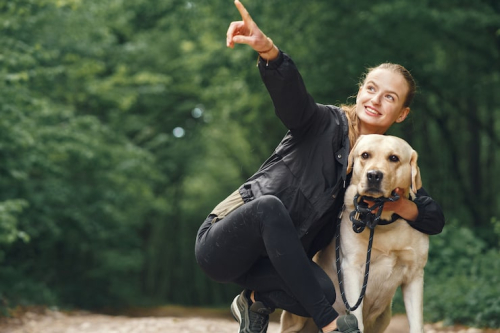
In the vibrant streets of San Francisco’s Mission District, where dogs dart between colorful murals and morning fog, a quiet revolution is underway. More and more dog owners are discovering that the most effective training doesn’t come from commands barked across a park but from building genuine trust and sparking joy in every interaction. This shift is redefining how communities approach canine companionship across the United States, Canada, and Europe.
Your dog’s daily struggles pulling, mealtime anxiety, or reactivity don’t just cause stress, they chip away at the joy of being together. At Prime Paw, our positive reinforcement-based programs meet your dog where they are and build confidence, connection, and real skills. Our tailored programs in-person classes, coaching, and online resources help you enjoy calmer walks, relaxed routines, and a deeper connection. Ready for lasting change? Schedule a Prime Paw consultation today!
Why Trust and Joy Have Become Central to Modern Dog Training
Dog training has evolved dramatically in recent years. Traditional methods relying on dominance or punishment are steadily giving way to approaches rooted in understanding canine emotions and psychology. In neighborhoods like Potrero Hill, SoMa, Dogpatch, Bernal Heights, Castro District, and Noe Valley, pet parents are prioritizing methods that strengthen the human-animal bond rather than simply enforcing obedience through force.
This change reflects a deeper cultural shift toward more empathetic relationships with animals. Urban dogs face unique challenges tight living spaces, constant noise, and limited green space. Training that emphasizes trust helps reduce anxiety and builds confidence, making daily life smoother for everyone involved. Local trainers consistently report that dogs trained with positive methods show greater willingness to engage, improved social skills, and stronger relationships with their families.
The focus on joyful learning creates dogs who are eager participants rather than reluctant followers. This mindset resonates strongly with busy professionals and families who want training that fits naturally into modern urban lifestyles.
The Rise of Positive Reinforcement in City Environments
Positive reinforcement has emerged as the preferred methodology across San Francisco and similar urban centers throughout North America and Europe. Instead of correcting unwanted behaviors through aversive techniques, trainers reward desired actions with treats, praise, toys, or play. This approach not only teaches skills more effectively but also makes the entire learning process enjoyable for the dog.
In Mission District dog daycares, sessions often blend basic cues with interactive games that encourage problem-solving and confidence building. Urban dogs learn to navigate crowded sidewalks calmly not through force, but because they associate good behavior with positive outcomes. The same trend is visible in Canadian cities like Toronto and Vancouver, as well as European capitals where apartment living is common and space for traditional training is limited.
What makes this methodology especially powerful is its accessibility for busy households. Professionals in SoMa or similar dense neighborhoods can incorporate short, rewarding training moments into their daily routines without needing elaborate equipment or hours of dedicated time.
Enrichment Activities Tailored for Urban Dogs
Modern training extends far beyond basic commands like sit and stay. Neighborhood-specific programs now incorporate cognitive games and enrichment activities designed specifically for city life. In areas like Dogpatch and Potrero Hill, trainers use puzzle toys, scent work, and urban agility setups that transform everyday walks into stimulating mental adventures.
These activities address a common challenge for intelligent breeds living in smaller homes: chronic boredom. By engaging a dog’s natural curiosity and problem-solving abilities, owners observe significant reductions in destructive behaviors and noticeably calmer temperaments. Comparable programs have gained strong traction in cities such as Seattle, Chicago, Berlin, and Amsterdam, where green spaces are valued but often limited. Enrichment-focused training supports both mental and physical wellbeing, helping dogs thrive despite the constraints of urban environments.
Reducing Stress and Building Community Through Socialization
City dogs encounter constant stimuli sirens, skateboards, bicycles, and other animals. Localized socialization practices emphasize gradual, positive exposure rather than overwhelming group settings that can heighten anxiety. Bernal Heights trainers, for example, organize small, controlled playgroups in neighborhood parks where dogs learn to read social cues in supportive, low-pressure environments.
This emphasis on emotional wellbeing aligns closely with broader animal welfare initiatives. San Francisco Animal Care & Control promotes humane training programs that prioritize stress reduction, influencing private trainers and community programs throughout the region. The outcomes are clear: dogs that feel secure in their surroundings and owners who enjoy more harmonious daily interactions.
Real-World Success Stories from San Francisco Neighborhoods
Consider a busy Mission District dog daycare that fully adopted trust-first routines. Staff moved away from traditional command-based approaches toward games that encouraged voluntary participation. Within weeks, previously anxious dogs began approaching new people and fellow canines with curiosity instead of fear. The transformation improved behavior and overall wellbeing for both dogs and their humans.
In Bernal Heights, group socialization classes built around positive reinforcement have helped numerous dogs develop better manners while forming lasting friendships. Owners frequently share stories of formerly reactive pups now playing confidently in local parks during community events.
Noe Valley residents have seen impressive results with clicker training techniques. One family described how their young rescue dog mastered loose-leash walking and polite greetings after consistent short, joyful sessions. These gains in obedience were matched by visible increases in the dog’s happiness and engagement with family life.
Innovations Supporting Trust-Based Training
Technology plays a helpful supporting role without replacing the essential human connection. Wearable devices that monitor activity levels and stress indicators help owners in Castro District and beyond gain clearer insights into their dog’s daily needs. Information from these tools allows for smarter, more personalized training adjustments that keep sessions positive and productive.
Virtual consultations have dramatically expanded access to expert guidance. Trainers can now provide real-time support through video calls, making professional advice available to owners in outlying areas or those with demanding work schedules. This thoughtful integration of technology and personal attention represents the practical innovation shaping the future of dog training.
Why These Methods Matter for Today’s Pet Families
The benefits of trust-based training extend well beyond basic obedience. Dogs trained through joyful learning become more resilient, sociable, and capable of handling life’s unexpected moments with confidence. For families with children, elderly members, or individuals requiring assistance with mobility, these well-prepared dogs serve as true companions and capable helpers.
Pet owners across the United States, Canada, and Europe are increasingly recognizing that investing time in positive, relationship-focused training yields stronger bonds and safer, happier households. The specialized services provided to pets help boost their confidence, establish stronger connections with pet parents, reduce unwanted behaviors, increase sociability, and enhance overall safety. Training also enables dogs to perform valuable tasks such as assisting elderly and physically challenged people with mobility, along with other important roles. These meaningful benefits continue to drive demand for quality pet training services among owners everywhere.
Getting Started with Trust-First Training in Your Neighborhood
Transitioning to these methods doesn’t require a complete overhaul of your daily routine. Start small by replacing corrections with rewards for good choices. Use high-value treats during walks in busy areas. Incorporate brief games that challenge your dog mentally during quiet moments at home.
- Practice “find it” games with hidden treats to build focus and confidence in distracting environments.
- Reward calm greetings instead of relying on leash pressure or verbal commands alone.
- Create consistent but positive routines around mealtimes and departures to reduce separation anxiety.
- Seek out local group classes that emphasize play, mutual respect, and individualized pacing.
Experienced trainers recommend patience combined with careful observation. Every dog learns at their own pace, and celebrating small victories keeps the process enjoyable and sustainable for both pet and owner.
Looking Ahead: The Future of Canine Education
As more communities embrace these humane approaches, dog training continues to evolve from a focus on control toward genuine partnership. In San Francisco and cities across North America and Europe, the emphasis remains on methods that honor dogs as thinking, feeling beings capable of experiencing real joy in learning.
This evolution creates widespread benefits. Dogs enjoy richer, more fulfilling lives. Owners experience less daily frustration and greater satisfaction in their relationships. Communities gain safer, more harmonious public spaces where well-adjusted dogs can participate comfortably. Whether you live in a bustling urban neighborhood or a quieter suburban setting, the principles of trust and joyful learning provide a clear path toward deeper, more rewarding connections with your canine companion.
The next time you head out with your dog, pause to consider what small adjustment might spark more joy in your shared experiences. The positive changes you observe may surprise and delight you both.
Frequently Asked Questions
What is trust-based dog training and why is it better than traditional methods?
Trust-based dog training focuses on building a genuine bond with your dog through positive reinforcement rewarding desired behaviors with treats, praise, toys, or play rather than using dominance or punishment. Unlike traditional command-based approaches, this method reduces anxiety, builds confidence, and makes dogs eager participants in the learning process. Research and real-world results from trainers across cities like San Francisco show that dogs trained this way demonstrate better social skills, greater willingness to engage, and stronger relationships with their families.
What positive reinforcement techniques work best for urban dogs in small living spaces?
Urban dogs benefit most from short, rewarding training sessions that can be woven into daily routines without special equipment. Effective techniques include “find it” scent games with hidden treats, puzzle toys that stimulate problem-solving, clicker training for skills like loose-leash walking, and calm greeting rewards instead of leash pressure. These enrichment-focused activities address chronic boredom common in smaller homes and have been shown to significantly reduce destructive behaviors while keeping dogs mentally and physically healthy.
How does socialization help reduce stress and anxiety in city dogs?
City dogs are constantly exposed to high-stimulation environments sirens, crowds, bicycles, and other animals making thoughtful socialization essential to their wellbeing. Modern trainers recommend gradual, positive exposure through small, controlled playgroups rather than overwhelming group settings, helping dogs learn to read social cues in low-pressure environments. This approach, promoted by organizations like San Francisco Animal Care & Control, results in dogs that feel more secure in their surroundings and owners who enjoy calmer, more harmonious daily interactions.
Disclaimer: The above helpful resources content contains personal opinions and experiences. The information provided is for general knowledge and does not constitute professional advice.
You may also be interested in: Best Techniques for Effective Dog Obedience Training
Your dog’s daily struggles pulling, mealtime anxiety, or reactivity don’t just cause stress, they chip away at the joy of being together. At Prime Paw, our positive reinforcement-based programs meet your dog where they are and build confidence, connection, and real skills. Our tailored programs in-person classes, coaching, and online resources help you enjoy calmer walks, relaxed routines, and a deeper connection. Ready for lasting change? Schedule a Prime Paw consultation today!
Powered by flareAI.co