
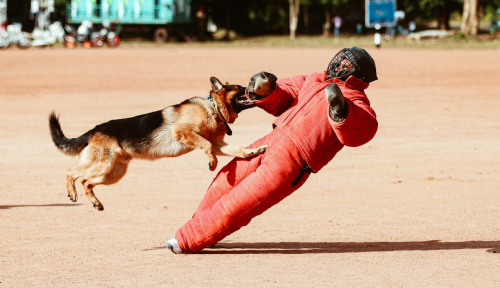
In the bustling neighborhoods of San Francisco, where busy professionals juggle work commutes and city life, puppy owners face a common challenge: turning energetic, sometimes chaotic young dogs into well-behaved companions. From the vibrant streets of the Mission District to the hilly views of Potrero Hill, families are discovering that one-size-fits-all training simply doesn’t cut it. Instead, experienced trainers who tailor their approaches to each dog’s unique behavior are making all the difference.
Tailored Training : How San Francisco’s Expert Trainers Transform Puppy Behavior isn’t just another training tip sheet it’s a closer look at how personalized methods are helping local puppies overcome everything from leash pulling in SoMa to separation anxiety in Bernal Heights.
Your dog’s daily struggles pulling, mealtime anxiety, or reactivity don’t just cause stress, they chip away at the joy of being together. At Prime Paw, our positive reinforcement-based programs meet your dog where they are and build confidence, connection, and real skills. Our tailored programs in-person classes, coaching, and online resources help you enjoy calmer walks, relaxed routines, and a deeper connection. Ready for lasting change? Schedule a Prime Paw consultation today!
Why Generic Training Falls Short in San Francisco’s Diverse Neighborhoods
Every puppy arrives with its own personality, shaped by breed, early experiences, and environment. A high-energy herding breed in Dogpatch might need different guidance than a more reserved companion in the Castro District. Standard group classes often overlook these nuances, leaving owners frustrated when progress stalls.
Trainers who take the time to observe and assess each dog individually create programs that address root causes rather than surface symptoms. This approach resonates strongly in neighborhoods like Noe Valley, where owners value thoughtful, community-oriented solutions that fit their lifestyle. Across urban centers in the United States, Canada, and parts of Europe, the same principle holds: dogs thrive when training respects their individuality.
Personalized Assessment: The Foundation of Effective Training
The process begins with a thorough evaluation. Trainers watch how puppies interact during play, respond to commands, and handle new stimuli. They note patterns perhaps a pup in Potrero Hill freezes around loud streetcars or another in the Mission District shows strong prey drive toward squirrels in the park.
Armed with these insights, trainers build custom plans. For anxious dogs, sessions might emphasize confidence-building exercises in controlled settings. For those with boundless energy, structured activities channel enthusiasm into positive outlets. This isn’t guesswork; it’s careful observation translated into practical steps owners can replicate at home. Such personalized puppy training reflects a broader shift where pet owners seek services that truly enhance their pet’s comfort and lifestyle.
Combining Training and Socialization in One Safe Space
One of the standout elements of this tailored approach is integrating training with socialization under constant supervision. Instead of shuttling puppies between separate classes and playgroups, everything happens in one secure, controlled environment.
This setup proves especially valuable in dense urban areas like SoMa and Dogpatch, where safe off-leash opportunities are limited. Puppies learn commands while practicing appropriate interactions with other dogs and people, reducing the risk of developing fear-based behaviors later. Owners appreciate the efficiency no more racing across town for multiple appointments. The same model adapts well to city living in Toronto, Vancouver, or European capitals where space and time are at a premium.
Positive Reinforcement: Building Trust That Lasts
Experienced trainers rely on positive reinforcement methods, rewarding desired behaviors with treats, praise, or play rather than corrections. This technique not only accelerates learning but also strengthens the bond between dog and owner.
In practice, a puppy struggling with recall in Bernal Heights might start with short distances and high-value rewards before progressing to busier park settings. The focus remains on success, setting dogs up to win rather than testing limits prematurely. Owners report that their puppies become eager participants, looking forward to sessions instead of dreading them.
Real Results Across San Francisco Neighborhoods
Local stories illustrate the impact. A young Labrador in the Castro District who previously bolted toward other dogs now walks calmly beside his owner, thanks to customized impulse-control exercises. In Noe Valley, a timid rescue pup gained confidence through gradual exposure tailored to her comfort level.
These transformations don’t happen overnight, but consistent application of personalized strategies yields reliable progress. Trainers adjust tactics as puppies grow, ensuring the program evolves with the dog’s development. This level of attention delivers outcomes that generic programs rarely match.
Addressing Common Owner Concerns Head-On
Many San Francisco puppy parents hesitate due to practical worries. Cost often tops the list investing in quality training feels significant when rent and other expenses already stretch budgets. Yet owners frequently discover that addressing behavior issues early prevents costlier problems down the road, from property damage to potential rehoming.
Skepticism about whether training will actually work for “their” puppy is another hurdle. The individualized approach directly counters this doubt by demonstrating quick wins during initial sessions, building confidence for both dog and human.
Time constraints present perhaps the biggest barrier in a city known for demanding schedules. By combining training and socialization efficiently, programs minimize weekly commitments while maximizing results. Many trainers also offer flexible scheduling and at-home reinforcement plans that fit around work-from-home routines common in neighborhoods like Potrero Hill and the Mission District.
The Role of Experienced Trainers in Long-Term Success
What sets these programs apart is the depth of trainer expertise. Years of hands-on experience with hundreds of puppies allow them to recognize subtle cues and anticipate challenges before they escalate. They understand breed tendencies, developmental stages, and how urban living affects canine behavior.
This knowledge translates into nuanced adjustments. A trainer might modify techniques for a sensitive dog in quieter Noe Valley versus one thriving amid the energy of Dogpatch. The result is training that feels intuitive rather than rigid. Pet owners across North America and Europe increasingly seek this kind of expert, customized guidance as they prioritize their dog’s well-being.
Practical Tips for Puppy Parents in the Bay Area and Beyond
While professional guidance provides the strongest foundation, owners can support progress at home with these strategies:
- Consistency matters most. Use the same cues and rewards your trainer recommends across all family members.
- Keep sessions short and fun. Five to ten minutes several times daily often outperforms longer, less engaging efforts.
- Observe carefully. Note what distracts or motivates your puppy in your specific neighborhood environment.
- Celebrate small victories. Progress builds momentum and strengthens your relationship.
- Practice in real-world settings. Gradually introduce distractions that mirror daily life in your area.
Looking Beyond Basic Obedience
Effective programs go deeper than sit, stay, and come. They equip puppies with emotional regulation skills essential for city life handling crowds, noises, and unpredictable encounters gracefully. This comprehensive preparation helps dogs become true companions rather than sources of stress.
In San Francisco’s tight-knit communities and similar vibrant districts in other cities well-mannered dogs also strengthen social connections. Confident pups make neighborhood walks more enjoyable and open doors to dog-friendly cafes, parks, and events across the city.
Choosing the Right Training Partnership
When selecting a program, look for trainers who prioritize assessment, customization, and positive methods. Ask about their experience with similar dogs and how they structure combined training-socialization sessions. The best partners view themselves as collaborators, empowering owners with knowledge and tools for ongoing success.
Whether you live in the Bay Area, another North American city, or across the Atlantic, finding trainers who offer personalized puppy training based on behavior and needs makes all the difference. The combination of training plus socialization in one safe, supervised location using positive reinforcement delivers results that last.
Transforming Challenges Into Connections
Puppyhood brings inevitable bumps, especially in a dynamic city like San Francisco. Yet with tailored guidance from skilled trainers, these challenges become opportunities to build deeper understanding and lasting bonds. The personalized approach rooted in each dog’s specific needs delivers results that generic methods rarely achieve.
Whether you’re navigating the hills of Potrero Hill or enjoying sunny days in the Mission District, investing in thoughtful training pays dividends in harmony at home and confidence on walks. Your puppy’s best behavior isn’t out of reach; it simply needs the right, individualized path to emerge.
As more owners embrace these expert-tailored strategies, the sight of happy, well-adjusted dogs becomes the neighborhood norm rather than the exception. The transformation starts with one thoughtful decision: choosing training that truly sees your puppy as the unique individual they are. This commitment not only improves daily life but fosters a stronger, more rewarding relationship that enriches both human and canine experiences for years to come.
Frequently Asked Questions
Why is personalized puppy training more effective than generic group classes?
Generic group classes often apply a one-size-fits-all approach that overlooks each dog’s unique personality, breed tendencies, and environment. Personalized puppy training begins with a thorough individual assessment observing how a dog responds to commands, new stimuli, and social interactions so trainers can address the root causes of behavior issues rather than just the surface symptoms. This tailored approach consistently delivers results that standard programs rarely match, especially for puppies facing specific challenges like separation anxiety, leash pulling, or fearfulness.
How do experienced dog trainers combine training and socialization for better behavior outcomes?
Instead of sending puppies to separate obedience classes and playgroups, experienced trainers integrate both training and socialization into a single, supervised environment. This setup allows puppies to practice commands while simultaneously learning appropriate interactions with other dogs and people, which reduces the risk of developing fear-based behaviors later in life. For busy urban owners, combining these two elements in one session is also a significant time-saver without sacrificing results.
What is positive reinforcement dog training, and why do expert trainers rely on it?
Positive reinforcement training rewards desired behaviors using treats, praise, or play rather than relying on corrections or punishment. This method not only accelerates learning but also builds a trusting bond between the dog and owner, making puppies eager, willing participants in their training sessions. Experienced trainers use it progressively, starting with easy wins in low-distraction settings and gradually increasing difficulty, so dogs build genuine confidence and reliable skills over time.
Disclaimer: The above helpful resources content contains personal opinions and experiences. The information provided is for general knowledge and does not constitute professional advice.
You may also be interested in: Dogs Deserve Force-Free Training: The Growing Movement
Your dog’s daily struggles pulling, mealtime anxiety, or reactivity don’t just cause stress, they chip away at the joy of being together. At Prime Paw, our positive reinforcement-based programs meet your dog where they are and build confidence, connection, and real skills. Our tailored programs in-person classes, coaching, and online resources help you enjoy calmer walks, relaxed routines, and a deeper connection. Ready for lasting change? Schedule a Prime Paw consultation today!
Powered by flareAI.co