
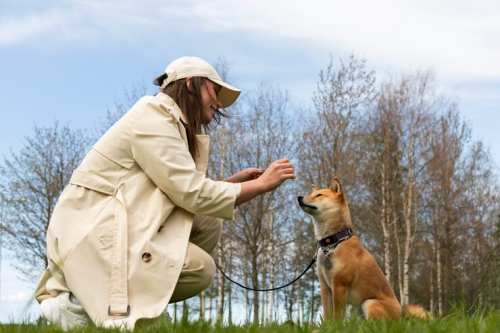
In the vibrant neighborhoods of San Francisco, apartment dwellers and families alike share a common passion for their canine companions. Yet raising a puppy in a dense urban environment brings unique hurdles. Safe Supervised Environments Facilitate Healthy Canine Interactions has emerged as a vital solution for pet owners in the Mission District, Potrero Hill, SoMa, Dogpatch, Bernal Heights, Castro District, and Noe Valley who want confident, well-adjusted dogs.
Dogs flourish through positive early experiences. Without thoughtful socialization, even outgoing puppies can develop fears, reactivity, or habits that test the patience of their humans. PrimePaw distinguishes itself through personalized puppy training tailored to each dog’s behavior and needs, combining skill-building with group socialization in one safe, supervised location using proven positive reinforcement methods guided by experienced trainers.
Your dog’s daily struggles pulling, mealtime anxiety, or reactivity don’t just cause stress, they chip away at the joy of being together. At Prime Paw, our positive reinforcement-based programs meet your dog where they are and build confidence, connection, and real skills. Our tailored programs in-person classes, coaching, and online resources help you enjoy calmer walks, relaxed routines, and a deeper connection. Ready for lasting change? Schedule a Prime Paw consultation today!
Why Supervised Canine Interactions Matter in City Life
Puppies absorb lessons rapidly during their key developmental window of eight to sixteen weeks. These early months profoundly influence lifelong attitudes toward other dogs, people, and new environments. In San Francisco’s energetic but compact neighborhoods, casual park encounters often lack structure. Unpredictable energy levels and mismatched play styles can create setbacks rather than progress.
Supervised settings transform these dynamics. Expert trainers provide careful oversight, matched playgroups, and immediate feedback. Puppies learn social boundaries while gaining confidence in a controlled atmosphere. Busy professionals racing through SoMa commutes or families in Bernal Heights gain reassurance knowing their dogs are developing essential skills safely and effectively.
Emerging Trends Shaping Puppy Training and Socialization
Dog owners across San Francisco are shifting from generic obedience classes to more sophisticated, individualized approaches. Personalized puppy training that accounts for breed traits, personality quirks, and specific living situations is becoming the preferred standard. Trainers assess behavior in real time and customize sessions instead of applying cookie-cutter techniques.
Positive reinforcement has replaced outdated dominance methods. Trainers reward good choices with treats, affection, and play, helping puppies build enthusiasm for learning. This shift creates willing participants who view training sessions as enjoyable rather than stressful. Integrating socialization directly into training programs allows immediate real-world practice in a protected environment, accelerating progress and reinforcing lessons naturally.
Local pet parents in Dogpatch and Potrero Hill particularly value programs that respect demanding schedules. Combining training and supervised play in single sessions minimizes travel time and maximizes results, making consistent attendance more realistic for urban lifestyles.
Real-World Success Stories from San Francisco Neighborhoods
Consider an energetic young Labradoodle in the Mission District who arrived full of enthusiasm but struggled with impulse control. Through structured combined sessions, he mastered focus commands while practicing polite greetings with carefully selected playmates. His owner soon noticed smoother neighborhood walks and relaxed behavior at dog-friendly local spots.
In Noe Valley and the Castro District, shy rescue puppies have shown remarkable growth. One timid dog who initially withdrew from others gradually built confidence through gentle, supervised interactions. Positive reinforcement helped transform hesitation into curiosity as new friendships became associated with rewards. Trainers observe these improvements in social confidence and behavior regularly across their groups.
Facilities serving Potrero Hill and SoMa highlight the convenience factor. Owners with packed calendars appreciate completing training segments and moving straight into socialization without additional logistics. The outcome includes deeper human-dog bonds, fewer behavioral challenges at home, and dogs that truly look forward to their group sessions.
Addressing Common Concerns of San Francisco Pet Owners
Potential clients often voice legitimate objections. Cost ranks high on the list, particularly in neighborhoods where housing expenses already pressure budgets. While quality programs require investment, the long-term expenses of unmanaged reactivity, property damage, or repeated visits to behavior specialists frequently exceed initial training costs.
Doubts about effectiveness represent another common barrier. Owners wonder whether training will truly help their strong-willed or previously challenging puppy. Success hinges on thorough individual assessments and skilled trainers who adapt techniques to each dog’s learning style and background rather than applying uniform approaches.
Time limitations feel especially pressing in a city defined by demanding work cultures and limited free hours. Here the integration of training with socialization proves especially valuable. Focused sessions deliver multiple benefits in one visit, helping owners achieve meaningful progress without constant reshuffling of already full calendars.
Navigating Urban-Specific Challenges
High-density living introduces particular obstacles: scarce private yards, busy sidewalks, and heavily used public spaces. Experienced trainers play a crucial role in managing group energy, preventing overstimulation, and ensuring safe dynamics. Smaller class sizes and thoughtful matching create positive experiences calibrated to each puppy’s developmental stage.
Practical Benefits for Dogs, Owners, and Local Communities
Well-socialized dogs move through city life with greater ease and less stress. They handle routine activities like veterinary visits, grooming appointments, and neighborhood strolls more comfortably. Their humans enjoy stronger relationships and expanded opportunities to include pets in daily adventures. On a community level, confident canines foster friendlier shared spaces where residents feel at ease in parks and pathways.
Local businesses also gain. Dog-friendly cafes, shops, and events flourish when pets demonstrate good manners and calm social behavior. These positive interactions strengthen the overall neighborhood atmosphere, turning four-legged residents into assets rather than occasional concerns.
The Role of Professional Training in Modern Pet Ownership
Pet owners today recognize the profound impact of early professional guidance. Training services help boost confidence, strengthen the pet-parent bond, reduce unwanted behaviors, and enhance sociability while increasing overall safety. Across North America, demand continues to rise as more families appreciate how these services improve daily life with dogs.
Complementary tools such as thoughtfully designed training equipment and supportive applications further enhance in-person learning. Yet the foundation remains high-quality, supervised interaction led by knowledgeable professionals who understand both canine behavior and urban realities.
Looking Ahead: The Future of Neighborhood Dog Training
As understanding deepens, neighborhood-centered programs that merge personalized attention with group learning opportunities are poised to become standard practice. Technology will likely serve as a helpful supplement through platforms for scheduling, progress tracking, or home reinforcement while core value stays rooted in expert-led, in-person experiences.
For dog lovers in San Francisco, the takeaway is compelling: thoughtful investment in structured, supervised environments during puppyhood creates lasting rewards. Whether observing confident play in Bernal Heights or enjoying polite greetings during Castro District walks, the results speak clearly.
Actionable Recommendations for Local Dog Owners
- Choose programs that begin with thorough assessments of your puppy’s individual personality and needs.
- Insist on positive reinforcement methods delivered by experienced, certified trainers.
- Prioritize facilities offering training plus socialization together in one secure setting to optimize time and results.
- Commit to consistent attendance, especially during the critical early months that establish lifelong patterns.
- Ask detailed questions about group sizes, safety measures, trainer qualifications, and approaches to different temperaments.
- Consider how the program fits your specific neighborhood lifestyle and schedule.
The distinctive communities of San Francisco have long embraced diversity and connection. By embracing safe supervised environments for healthy canine interactions, today’s puppy owners actively contribute to that spirit. They raise not only better-behaved dogs but also future neighborhood ambassadors who enrich everyday experiences for humans and animals alike.
From the lively streets of the Mission District to the quieter corners of Noe Valley, the right support makes an enormous difference. Your energetic explorer or sensitive companion deserves the foundation that turns potential challenges into joyful companionship. The investment in quality, personalized guidance rewards both dogs and their people for years to come.
Frequently Asked Questions
What is the best age to start puppy socialization and training?
The critical window for puppy socialization is between 8 and 16 weeks of age, when puppies are most receptive to learning and developing lifelong attitudes toward other dogs, people, and new environments. Starting early during this developmental period helps prevent fears, reactivity, and behavioral issues that can persist into adulthood. Professional, supervised training programs during these key months establish essential social skills and confidence that benefit dogs throughout their lives.
Why is supervised puppy training better than casual dog park visits?
Supervised training environments provide expert oversight, carefully matched playgroups, and immediate professional feedback elements that casual park encounters often lack. Unstructured park interactions can involve unpredictable energy levels and mismatched play styles that create setbacks rather than progress. In contrast, professional trainers use positive reinforcement methods to teach social boundaries while ensuring puppies develop confidence in a controlled, safe atmosphere tailored to each dog’s individual needs and developmental stage.
How does combining training and socialization in one program benefit busy pet owners?
Integrated training and socialization programs allow pet owners to accomplish multiple goals in a single session, eliminating extra logistics and fitting more realistically into demanding urban schedules. This combined approach delivers faster progress by providing immediate real-world practice of learned skills in a protected environment, while also strengthening the human-dog bond and reducing unwanted behaviors. For San Francisco professionals and families, this efficiency makes consistent attendance more achievable and maximizes results without requiring multiple separate classes or appointments.
Disclaimer: The above helpful resources content contains personal opinions and experiences. The information provided is for general knowledge and does not constitute professional advice.
You may also be interested in: 12 Dog Training Methods Explained: A Science-Backed Guide
Your dog’s daily struggles pulling, mealtime anxiety, or reactivity don’t just cause stress, they chip away at the joy of being together. At Prime Paw, our positive reinforcement-based programs meet your dog where they are and build confidence, connection, and real skills. Our tailored programs in-person classes, coaching, and online resources help you enjoy calmer walks, relaxed routines, and a deeper connection. Ready for lasting change? Schedule a Prime Paw consultation today!
Powered by flareAI.co