
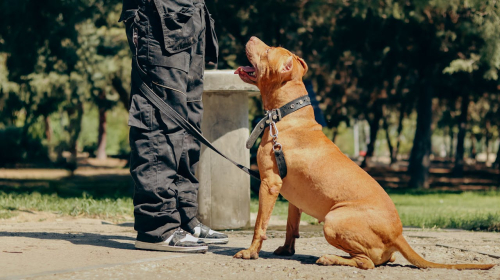
In the bustling neighborhoods of San Francisco, where apartment living meets the daily rhythm of dog walks in parks like those dotting the Mission District and Bernal Heights, more puppy owners are asking a key question: How do we build better bonds with our dogs without resorting to force or fear? Experts Discuss Ethical Considerations in Positive Reinforcement Dog Training in San Francisco reveals a growing consensus among local trainers that humane, science-backed methods deliver stronger, longer-lasting results for city dogs and their busy families.
Your dog’s daily struggles pulling, mealtime anxiety, or reactivity don’t just cause stress, they chip away at the joy of being together. At Prime Paw, our positive reinforcement-based programs meet your dog where they are and build confidence, connection, and real skills. Our tailored programs in-person classes, coaching, and online resources help you enjoy calmer walks, relaxed routines, and a deeper connection. Ready for lasting change? Schedule a Prime Paw consultation today!
The Rising Importance of Ethical Canine Training
Positive reinforcement, often called R+ training, focuses on rewarding desired behaviors with treats, praise, play, or other motivators rather than punishing mistakes. This approach has gained fresh momentum in urban settings like Potrero Hill, SoMa, and Dogpatch, where professionals juggle demanding schedules, limited space, and the desire for well-mannered companions who thrive in dense city environments.
Trainers across San Francisco report that dog owners are increasingly turning away from outdated aversive techniques after witnessing how stress and fear can erode trust. Families in the Castro District and Noe Valley view their puppies as true family members navigating noisy streets, cable cars, and crowded sidewalks. Ethical training addresses these real-life realities with compassion and effectiveness.
Beyond basic commands, this method tackles everyday challenges: preventing reactivity around other dogs at local parks, building reliable recall amid urban distractions, and fostering calm in compact living spaces. The result is not just better behavior, but deeper, more joyful relationships between dogs and owners.
Emerging Trends Shaping Puppy Training in San Francisco
Personalized Programs Tailored to Each Dog
One-size-fits-all classes are giving way to highly individualized plans. PrimePaw and fellow local experts begin by assessing each puppy’s unique temperament, energy level, breed traits, and home environment before designing sear? Experts Discuss Ethical Considerations in combined training-and-socialization formats held in safe, supervised locations perfect for city puppies that need both practical skills and positive peer experiences.
Trainers working in Noe Valley and the Castro District observe that customized approaches help shy or high-energy pups make faster, more confident progress than generic programs. Owners notice quicker wins when lessons mirror their daily routines, such as polite leash walking along busy Valencia Street or calm greetings at favorite neighborhood cafés.
Blending Technology with Hands-On Guidance
Many San Francisco households now incorporate simple mobile apps to track progress between sessions, logging successes and spotting behavior patterns early. Tools like clickers, puzzle toys, and treat dispensers adapted for apartment living turn training into an engaging daily game. These technologies support puppy training near me searches by making consistent practice easier for time-strapped owners.
This blended approach particularly appeals to tech-savvy residents in SoMa and Potrero Hill, who value data-driven insights while still benefiting from the warmth and expertise of in-person trainers. The focus remains on building trust rather than relying solely on screens.
Community-Based Social Learning Opportunities
Local dog parks and thoughtfully designed small-group classes in Bernal Heights and Dogpatch serve as ideal settings for ethical socialization. Puppies learn not only commands but also how to read subtle social signals from other dogs in controlled, positive environments. This reduces future conflicts and builds emotional resilience that serves them well throughout city life.
Trainers consistently note that puppies in regular group sessions develop stronger impulse control and noticeably lower stress levels, making routine outings from morning walks to weekend adventures far more enjoyable for dogs and humans alike.
Real-World Applications and Local Success Stories
Transformations Seen in the Mission District
One young Labrador mix in the Mission District arrived with challenges around jumping on visitors and intense leash pulling. Through six to eight weeks of consistent positive reinforcement work focused on puppy classes near me style sessions, the dog mastered calm greetings and loose-leash walking. The owner described a transformed household with stronger bonding and far fewer moments of frustration a story repeated by many local families.
Common behavioral improvements include reduced anxiety in novel situations, sharper recall despite urban distractions, and a visibly happier, more confident dog-owner partnership that strengthens daily life together.
Enrichment-Focused Programs in SoMa
In SoMa, multi-session courses skillfully blend obedience training with engaging enrichment activities. Trainers prioritize play-based learning through puzzle toys that reward problem-solving, scent games that engage active minds, and gentle handling exercises. Participants regularly report higher engagement and better retention compared to purely corrective approaches.
These practical formats help address common objections such as lack of time by delivering efficient, results-oriented sessions that fit into busy urban calendars.
Collaboration with Veterinary Professionals
Reputable San Francisco trainers frequently partner with local veterinary clinics to ensure training methods align with health and wellness guidance. This collaboration addresses potential medical contributors to behavior issues and creates truly holistic support systems for puppies and their people.
Addressing Common Concerns and Ethical Challenges
Tackling Cost, Time, and Effectiveness Questions
Prospective clients in areas like Potrero Hill sometimes hesitate over the investment required for personalized training. Experienced trainers highlight that well-structured programs frequently deliver long-term value by preventing more expensive behavioral problems or rehoming situations down the road. Flexible options including early morning, evening, and weekend classes help accommodate demanding city lifestyles.
Understandable skepticism about whether training will work for a particular puppy is common. Local evidence demonstrates that positive reinforcement succeeds across breeds and personalities when applied with consistency and expertise. The secret lies in selecting trainers who prioritize relationship-building and individualized attention over quick-fix promises.
Evaluating Methods That Truly Deliver Results
Ethical trainers ground their work in behavioral science rather than fleeting trends. They thoughtfully balance practical goals like reliable obedience with the ethical imperative to avoid creating fear or anxiety. This balanced philosophy respects each dog’s emotional well-being while meeting the practical demands of San Francisco living.
Aligning with Local Standards and Best Practices
California’s animal welfare regulations establish a solid foundation, and leading programs go further with small class sizes, highly experienced staff, and ongoing professional development for trainers. This commitment to excellence builds confidence for owners searching for puppy obedience training near me or puppy classes sf.
Insights from the Broader Industry Landscape
Trainers note increasing interest in supportive tools that enhance positive reinforcement work. Mobile applications and interactive programs help pet owners maintain consistency through engaging modules and real-time feedback, particularly valuable for busy households. Similarly, quality equipment such as leashes, collars, and leads continues to evolve to support kinder, more effective training approaches favored in North America.
Professional dog training services are adapting to modern lifestyles, offering diverse formats including group classes, private sessions, and enrichment-focused workshops. These options strengthen the dog-owner bond and promote more harmonious living, reflecting a clear shift toward methods that prioritize trust and joy.
Business and Community Benefits of Ethical Training
Embracing positive reinforcement principles enhances a trainer’s reputation within tight-knit communities like the Castro District and Noe Valley. Word-of-mouth recommendations spread rapidly when puppies demonstrate genuine progress and owners feel genuinely supported rather than criticized.
From an operational perspective, structured small-group formats optimize learning outcomes while enabling meaningful individual attention. Platforms such as Instagram and Facebook allow trainers to share client successes, practical tips for apartment dwellers, and authentic glimpses into joyful training sessions further strengthening local connections and community trust.
Looking Ahead: The Future of Puppy Training in San Francisco
Local experts emphasize that the long-term benefits of ethical, relationship-centered training reach well beyond basic commands. Dogs enjoy richer, less stressful lives with safer outings and stronger family bonds. Owners, in turn, experience greater confidence and reduced daily stress.
Looking forward, the field is moving toward even more personalized, data-informed programs, expanded community outreach, and continued professional growth for trainers. For anyone researching puppy training classes near me, best puppy training near me, or positive reinforcement options in San Francisco, the path forward is clear: humane methods create the most sustainable success.
Whether you call home the Dogpatch, Bernal Heights, or any of San Francisco’s vibrant neighborhoods, choosing positive reinforcement lays the groundwork for a lifetime of joyful companionship. The puppies and the people who love them thrive when trust and respect guide the journey.
Ready to Begin Your Puppy’s Positive Journey?
PrimePaw’s distinctive approach personalized programs, integrated socialization in safe supervised settings, and proven positive reinforcement methods directly addresses the realities of raising a confident dog in San Francisco. By focusing on each dog’s individual needs and personality, they help families overcome typical concerns around time commitment, perceived cost, and achieving meaningful results.
This growing local emphasis on ethical training reflects a deeper understanding: the most effective education for our dogs is also the most humane. Your puppy deserves the opportunity to learn with joy and you deserve the peace of mind that comes with it.
Frequently Asked Questions
What is positive reinforcement dog training, and why is it considered more ethical than traditional methods?
Positive reinforcement (R+) training rewards desired behaviors using treats, praise, or play rather than punishing mistakes. It’s considered more ethical because it avoids creating stress or fear in dogs emotions that research shows can erode the trust between a dog and their owner. Unlike aversive techniques, R+ training is grounded in behavioral science and prioritizes the dog’s emotional well-being alongside practical obedience goals.
How does positive reinforcement puppy training work for dogs living in a busy urban environment like San Francisco?
Urban puppies face unique challenges crowded sidewalks, loud street noise, and limited living space that require specialized, humane training strategies. Positive reinforcement methods are especially effective in city settings because they build calm, confident behavior through reward-based repetition in real-world environments, such as practicing loose-leash walking on busy streets or maintaining a relaxed greeting at neighborhood cafés. Personalized programs that account for each dog’s temperament and daily routine tend to produce faster, more reliable results for city-dwelling puppies.
How long does positive reinforcement puppy training take to show real results?
Most owners begin seeing meaningful behavioral improvements within six to eight weeks of consistent positive reinforcement work. Success stories from local trainers show dogs overcoming issues like leash pulling, jumping, and anxiety in novel situations within that timeframe. The key factors are consistency, working with an experienced trainer who tailors the approach to the individual dog, and practicing skills that reflect the dog’s actual day-to-day environment.
Disclaimer: The above helpful resources content contains personal opinions and experiences. The information provided is for general knowledge and does not constitute professional advice.
You may also be interested in: 4 Different Types of Dog Training Methods: What’s Best for Your Dog?
Your dog’s daily struggles pulling, mealtime anxiety, or reactivity don’t just cause stress, they chip away at the joy of being together. At Prime Paw, our positive reinforcement-based programs meet your dog where they are and build confidence, connection, and real skills. Our tailored programs in-person classes, coaching, and online resources help you enjoy calmer walks, relaxed routines, and a deeper connection. Ready for lasting change? Schedule a Prime Paw consultation today!
Powered by flareAI.co