
Quick Listen:
Bringing home a new puppy fills any household with energy and joy, yet the early weeks often test even the most prepared owners. Accidents on rugs, frantic dashes outside, and the puzzle of reading subtle signals can quickly overwhelm someone juggling work deadlines, errands, and the realities of city apartment living. The good news is that potty training a new puppy succeeds through steady routines, clear communication, and gentle guidance rather than perfection from day one. By focusing on your puppy’s natural development, creating predictable opportunities, and responding with patience, most owners see reliable progress within a few months. This practical overview shares the core principles that help turn those early challenges into lasting habits and a stronger bond with your dog.
Your dog’s daily struggles pulling, mealtime anxiety, or reactivity don’t just cause stress, they chip away at the joy of being together. At Prime Paw, our positive reinforcement-based programs meet your dog where they are and build confidence, connection, and real skills. Our tailored programs in-person classes, coaching, and online resources help you enjoy calmer walks, relaxed routines, and a deeper connection. Ready for lasting change? Schedule a Prime Paw consultation today!
How to Potty Train a Puppy: Laying the Right Foundation
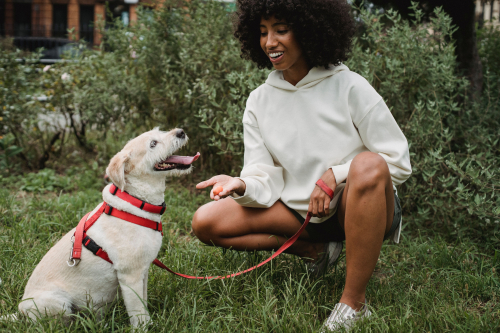
Successful puppy potty training begins before the first accident occurs. Preparation sets the stage for faster learning and fewer frustrations. Stock enzymatic cleaners designed to break down urine odors completely, because any lingering scent encourages repeat marking in the same spot. Keep a well-fitted harness and leash by the door for quick, focused outdoor trips that minimize distractions. For homes without easy yard access, consider an indoor potty station that mimics outdoor surfaces during the earliest weeks or when weather turns uncooperative.
These simple supplies reduce stress for both puppy and owner. When accidents happen despite best efforts, thorough cleaning prevents the behavior from becoming a pattern. Owners who invest a little time upfront in the right tools often notice their puppies respond more quickly to the overall routine. The goal is not spotless perfection immediately but a predictable environment where your puppy learns what is expected.
Potty training success for new puppy owners hinges on preparation, routine, and positive reinforcement tailored to a puppy’s developmental stage. Start by stocking up on essentials like enzymatic cleaners to fully remove urine odors and prevent repeat accidents, along with suitable harnesses for quick outdoor trips. Set a realistic schedule with hourly breaks for young puppies, adjusting based on age one hour of bladder control per month is a helpful benchmark while noting patterns around meals, naps, and play. Confinement in a crate or gated area when unsupervised prevents free-roaming mishaps and leverages a puppy’s instinct not to soil their sleeping space. For those in apartments or with limited outdoor access, indoor potty stations mimicking outdoor surfaces can bridge the gap during early weeks or bad weather.
Immediate rewards with praise and high-value treats when the puppy goes in the approved spot accelerate learning, while avoiding punishment for accidents maintains trust. Setbacks are normal; returning to basics with close supervision helps overcome them. Veterinary checks rule out medical issues if progress stalls. This methodical, compassionate strategy equips new owners with tools to navigate the challenging early months, leading to a cleaner home and a well-adjusted companion ready for further training adventures. For more insights, check out this practical puppy potty training guide.
Creating a Reliable New Puppy Potty Schedule
Puppies thrive on consistency, and a thoughtful schedule turns random outings into predictable learning moments. Young puppies typically need a break every hour while awake, with adjustments as they grow. A helpful benchmark of one hour of bladder control per month of age offers a starting point for planning, though individual puppies vary and factors like meals, naps, and play sessions influence timing.
Build the routine around natural triggers: take your puppy out first thing in the morning, after every meal, following naps, and before bedtime. Short, purposeful walks with the puppy on a leash keep the focus on elimination rather than exploration. In busy urban households, phone reminders or pairing breaks with existing habits, such as after morning coffee or before logging into work calls, make the schedule sustainable. Over time, puppies begin to signal their needs more clearly, reducing the guesswork for everyone involved.
Consistency in timing and location helps the puppy connect the dots faster. When the schedule holds steady even on hectic days, learning accelerates and setbacks become less frequent.
Apartment Puppy Potty Training: Adapting to Urban Life
City living brings unique considerations for apartment puppy potty training. Limited outdoor access and smaller living spaces mean owners must maximize every opportunity while minimizing indoor messes. Close supervision indoors allows you to spot pre-elimination behaviors like sniffing, circling, or sudden restlessness and redirect promptly to the designated spot.
When outdoor trips are impractical due to weather, late work hours, or very young age, an indoor potty station provides a reliable backup that still teaches the right habits. Crate training or gated confinement when you cannot watch directly prevents wandering and leverages the puppy’s instinct to keep its sleeping area clean. Limiting free access to the entire apartment until reliability improves further protects your floors and reinforces the routine.
Many urban puppy parents find that integrating these techniques into daily life, rather than treating them as separate chores, leads to smoother progress. The key is creating systems that fit real schedules instead of fighting against them.
Positive Reinforcement Puppy Training: Building Trust and Motivation
Rewards delivered at the right moment form the heart of effective positive reinforcement puppy training. Immediate praise and high-value treats the instant your puppy finishes eliminating in the correct location create a powerful association. Dogs repeat behaviors that produce good outcomes, so timely reinforcement accelerates learning far more effectively than delayed reactions.
Choose treats your puppy finds especially motivating and reserve them exclusively for potty successes during the early stages. Pair the reward with calm, enthusiastic verbal praise using a consistent cue if desired. Avoid any form of punishment for accidents, as it can create fear, hiding, or reluctance to eliminate in your presence. Instead, clean the area thoroughly and return to closer supervision and more frequent opportunities.
This approach strengthens the bond between you and your puppy while teaching the desired behavior through encouragement rather than correction. Over weeks of consistent positive experiences, most puppies begin offering signals or heading toward the door on their own, turning training into a collaborative process.
Effective potty training requires proactive habits that set puppies up for success from day one. Taking a new puppy outside every hour, especially using a leash to keep focus on the task rather than play, ensures frequent opportunities in the designated spot. Rewarding immediately with praise and treats upon success reinforces the behavior powerfully, as dogs are motivated to repeat actions that yield positive results. Consistency in cues, locations, and timing helps puppies understand expectations quickly. Close supervision indoors allows owners to spot pre-elimination signs and redirect promptly, while crate training provides safe downtime and supports bladder control development.
For urban puppy parents, these techniques integrate seamlessly with daily routines, minimizing accidents in smaller living spaces. Monitoring diet and avoiding free access to the whole home until reliability is established further accelerates progress. Over time, puppies learn to signal needs, leading to fewer surprises and more enjoyable companionship. Embracing this process with patience builds a strong foundation of trust and communication, essential for ongoing positive reinforcement training and a happy life together with a well-mannered dog. Learn more from the expert puppy potty tips.
Handling Puppy Accidents in the House with Patience
Accidents are a normal part of the learning curve, especially in the first weeks. Reacting with frustration or punishment often backfires by increasing anxiety and slowing progress. The most productive response involves calm cleanup with an enzymatic cleaner, followed by an immediate return to the established schedule and heightened supervision.
Look for patterns that might trigger issues: excitement after play, fear during loud noises, or changes in diet. Adjusting those variables while maintaining consistency usually resolves recurring problems. If progress stalls despite diligent efforts, a veterinary check can rule out underlying medical causes that require attention before training can advance.
Owners who treat setbacks as information rather than failures tend to maintain steadier momentum. Each accident becomes a cue to tighten supervision or refine timing slightly, keeping the overall trajectory positive.
Supervision, Confinement, and Long-term Success
Close supervision combined with appropriate confinement protects both your home and your puppy’s developing habits. When you cannot watch directly, a crate sized correctly for your puppy or a gated area provides safe downtime while supporting bladder control development. Puppies instinctively avoid soiling their sleeping space, making this tool especially useful during the unreliable early phase.
Monitor diet and water intake to better predict elimination needs, and avoid granting full home access until your puppy demonstrates consistent reliability. Over time, these boundaries can relax as signaling improves and trust grows. The same patience that shapes potty habits also prepares the ground for more advanced training later.
Urban routines benefit particularly from this structured yet flexible approach. Short, focused outdoor sessions fit between other commitments, while indoor options cover the gaps without derailing progress.
When Professional Puppy Training Guidance Makes Sense
Even with solid preparation and consistent effort, some situations benefit from outside perspective. If accidents persist beyond expected timelines, if your schedule leaves limited windows for training, or if you simply want personalized strategies tailored to your living situation, working with an experienced trainer can provide clarity and momentum.
Professionals often identify subtle gaps in routine or communication that are hard to spot from inside the daily grind. They can also introduce advanced techniques once basic potty reliability is established, turning early success into a foundation for broader skills. For busy owners navigating apartment life, this support frequently shortens the overall learning curve and reduces household stress.
The investment in early guidance frequently pays dividends in a calmer home and a more confident puppy ready for the next stages of development together.
Potty training a new puppy ultimately becomes less about rigid rules and more about mutual understanding built through repetition and kindness. By combining a practical schedule, thoughtful preparation for apartment realities, immediate positive reinforcement, and patient responses to setbacks, most owners and puppies reach reliable habits that support years of enjoyable companionship. The process strengthens trust, improves communication, and creates space for all the other adventures ahead. With steady application of these principles, the early weeks of adjustment give way to a cleaner home and a well-mannered dog who feels secure in your care.
Frequently Asked Questions
How often should I take my new puppy outside for potty training?
Young puppies usually need potty breaks about every hour while they are awake, especially after meals, naps, playtime, and first thing in the morning. A helpful rule of thumb is that puppies can hold their bladder for about one hour per month of age, though every puppy is different. A consistent puppy potty training schedule helps build reliable habits faster.
What is the best way to potty train a puppy in an apartment?
Apartment puppy potty training works best with close supervision, frequent scheduled breaks, and a designated potty area. If outdoor access is limited, an indoor potty station can help during the early weeks, bad weather, or late-night needs. Crate training or gated spaces can also prevent accidents when you cannot watch your puppy directly.
What should I do when my puppy has accidents in the house?
Accidents are normal during puppy potty training, so avoid punishment and clean the area thoroughly with an enzymatic cleaner to remove odors. Look for patterns such as accidents after play, meals, or excitement, then adjust the potty schedule as needed. Reward your puppy immediately with praise and treats when they go in the right spot to reinforce the desired behavior.
Disclaimer: The above helpful resources content contains personal opinions and experiences. The information provided is for general knowledge and does not constitute professional advice.
You may also be interested in: How Reward-based Methods Support Canine Confidence and Learning
Your dog’s daily struggles pulling, mealtime anxiety, or reactivity don’t just cause stress, they chip away at the joy of being together. At Prime Paw, our positive reinforcement-based programs meet your dog where they are and build confidence, connection, and real skills. Our tailored programs in-person classes, coaching, and online resources help you enjoy calmer walks, relaxed routines, and a deeper connection. Ready for lasting change? Schedule a Prime Paw consultation today!
Powered by flareAI.co