
Quick Listen:
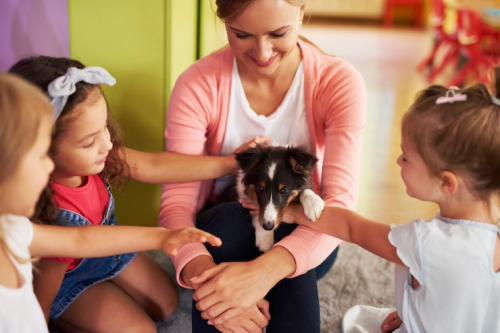
New puppy owners quickly discover that the first few months shape far more than basic manners. Those early weeks represent a once-in-a-lifetime window when a young dog’s brain is exceptionally receptive to learning. Experiences during this period influence how confidently a puppy will navigate city sidewalks, greet neighbors, handle vet visits, and respond to the constant stream of new sights and sounds that define urban life. Structured puppy preschool programs turn this developmental stage into an intentional process rather than a series of random encounters, giving both puppies and their guardians practical tools that pay dividends for years.
Your dog’s daily struggles pulling, mealtime anxiety, or reactivity don’t just cause stress, they chip away at the joy of being together. At Prime Paw, our positive reinforcement-based programs meet your dog where they are and build confidence, connection, and real skills. Our tailored programs in-person classes, coaching, and online resources help you enjoy calmer walks, relaxed routines, and a deeper connection. Ready for lasting change? Schedule a Prime Paw consultation today!
The Critical Socialization Window Shapes Lifelong Behavior
A puppy’s brain undergoes rapid development in the first months of life. During this phase, known as the critical socialization window, the neural pathways that govern emotional responses and social understanding are especially plastic. Positive, guided experiences in these weeks help establish patterns of curiosity and resilience rather than fear or reactivity. When puppies miss structured support during this time, everyday urban stimuli traffic noise, crowded parks, or passing skateboards can later trigger stress instead of calm exploration.
Programs built around this window prioritize gradual exposure paired with positive reinforcement. Puppies learn to associate new people, dogs, and environments with safety and reward. The result is not just better manners but a deeper capacity to adapt when life inevitably presents surprises, whether that means a busy café patio or a neighbor’s friendly but energetic dog.
Structured Group Settings Build Skills That Casual Play Cannot
Everyday interactions at the dog park or on neighborhood walks offer valuable exposure, yet they lack the consistency and expert oversight that define quality puppy preschool. In a well-designed class, interactions are thoughtfully sequenced. Puppies practice greeting one another calmly, sharing space, and recovering quickly from mild surprises all under the guidance of trainers who can intervene before small issues escalate.
Structured early group experiences like puppy preschool play a transformative role in shaping a dog’s cognitive and emotional development during their most formative weeks. Duke Puppy Kindergarten research highlights how intentional socialization and positive reinforcement training in controlled group settings help puppies build resilience, problem-solving abilities, and strong social skills that last a lifetime. Puppies enrolled in these kinds of programs demonstrate improved adaptability to new environments, better impulse control, and enhanced ability to form positive associations with people, other dogs, and novel stimuli. This early intervention is particularly valuable because it occurs during the critical socialization window when the brain is highly plastic and receptive to learning. The controlled nature of these classes means puppies encounter novelty without becoming overwhelmed, something especially useful in dense city environments where unstructured encounters can quickly turn chaotic.
Developing Adaptability, Impulse Control, and Positive Associations
One of the most valuable outcomes of early structured training is improved impulse control. Puppies learn to pause before reacting, whether that means waiting for permission before approaching another dog or remaining composed when a delivery person arrives at the door. This skill emerges from repeated, rewarded practice in a supportive setting rather than from correction after the fact.
Equally important is the ability to form positive associations with people, other dogs, and novel stimuli. When a puppy experiences a variety of calm, rewarding introductions during the critical window, later encounters with delivery drivers, children on scooters, or dogs behind fences become manageable rather than alarming. The same principle applies to emotional regulation: puppies that practice calm recovery in class tend to handle the unpredictable rhythm of city life with greater ease.
Reducing Fear Responses and Supporting Emotional Regulation
Fear-based behaviors often trace back to insufficient or negative experiences during the early months. Structured puppy preschool directly addresses this by providing safe, repeated opportunities to encounter new stimuli in a context of safety and reward. Puppies who engage in group socialization activities during their critical early months show reduced fear responses and improved interactions across various contexts.
Early positive experiences with other dogs and people through structured programs significantly enhance a puppy’s social and emotional development, mirroring benefits observed in human-animal interactions. Pet dog socialization benefits show that puppies who engage in group socialization activities during their critical early months show reduced fear responses and improved interactions across various contexts. This foundational exposure helps them develop better emotional regulation, lower stress levels in novel situations, and stronger abilities to navigate social dynamics. For new puppy guardians, participating in puppy preschool provides a framework for understanding developmental stages and implementing consistent, positive training methods that prevent common behavioral challenges. In a city setting, where puppies encounter diverse stimuli daily, these classes offer controlled opportunities to build confidence without the chaos of unstructured encounters.
Practical Tools for Owners and Stronger Human-canine Bonds
Puppy preschool is as much about educating guardians as it is about training puppies. Participants learn to read subtle body language signals, recognize early signs of stress, and apply consistent positive reinforcement in daily life. These skills translate directly to smoother walks, calmer vet visits, and more enjoyable family interactions at home.
When owners understand how to set clear expectations and reinforce desired behaviors, the bond between human and dog deepens. The shared language developed in class carries over to everyday routines, reducing frustration on both sides. Guardians also gain perspective on normal developmental stages, which helps them respond thoughtfully rather than reactively when challenges arise.
Long-term Benefits Extend Beyond the Individual Puppy
The advantages of early structured socialization reach further than any single household. Puppies that receive this support are less likely to develop issues like excessive barking, anxiety, or reactivity, leading to longer, happier lives in their homes. Well-adjusted dogs contribute to more harmonious neighborhoods, where residents feel comfortable sharing sidewalks and parks with canine companions.
Owners also benefit from community connections with other guardians facing similar joys and challenges, fostering a supportive network. Ultimately, puppy preschool represents a proactive investment in creating well-adjusted adult dogs who contribute positively to family life and public spaces, emphasizing prevention over correction in behavioral development. The combination of play-based learning, guided exposure, and owner education during these early months creates exceptional companions who thrive in diverse settings.
Choosing a Program That Matches Your Puppy’s Needs
Not every class delivers the same depth of structure and support. Look for programs that emphasize positive reinforcement, maintain small group sizes for individualized attention, and include dedicated time for owner education. The best classes create a predictable rhythm: brief, successful interactions followed by calm recovery periods, all while keeping stress levels low.
Observe how trainers handle puppies that become overwhelmed and whether guardians receive concrete takeaways they can practice at home. A strong program feels collaborative rather than prescriptive, empowering families to continue the work between sessions. For busy urban households, this consistency makes the difference between a puppy that tolerates city life and one that genuinely enjoys it.
Early investment in guided socialization equips puppies with the emotional toolkit they need to flourish amid the richness and unpredictability of city living. The skills developed in those first months confidence, impulse control, and positive associations compound over time, turning potential challenges into opportunities for connection. For new guardians committed to raising a well-adjusted dog, structured puppy preschool offers one of the most effective ways to honor that critical developmental window and set the stage for years of shared adventures.
Frequently Asked Questions
What is puppy preschool and why is it important for early puppy development?
Puppy preschool is a structured early training program designed to support socialization and learning during a puppy’s critical socialization window. During this stage, a puppy’s brain is highly receptive to new experiences, which strongly influences future behavior and emotional responses. Positive exposure to people, dogs, and environments helps build confidence and resilience. This foundation plays a key role in shaping a well-adjusted adult dog.
How does puppy preschool improve a puppy’s behavior and social skills?
Puppy preschool improves behavior by providing structured group settings where puppies learn calm interactions, impulse control, and appropriate social cues. Guided exposure to new stimuli helps reduce fear-based reactions and encourages positive associations with everyday experiences. Consistent reinforcement from trainers helps puppies learn how to recover from excitement or stress more quickly. These skills translate into better adaptability in real-world environments, especially in busy urban settings.
When should you start puppy preschool and what should you look for in a good program?
Puppy preschool should begin early, ideally during the first months of life when the socialization window is still open. A strong program emphasizes positive reinforcement, small group sizes, and carefully managed exposure to new experiences. It should also provide guidance for owners so they can reinforce training at home. Choosing the right program helps ensure puppies develop confidence, emotional regulation, and long-term good behavior.
Disclaimer: The above helpful resources content contains personal opinions and experiences. The information provided is for general knowledge and does not constitute professional advice.
You may also be interested in: Dog Training in 2026 Focuses on Trust and Joyful Learning
Your dog’s daily struggles pulling, mealtime anxiety, or reactivity don’t just cause stress, they chip away at the joy of being together. At Prime Paw, our positive reinforcement-based programs meet your dog where they are and build confidence, connection, and real skills. Our tailored programs in-person classes, coaching, and online resources help you enjoy calmer walks, relaxed routines, and a deeper connection. Ready for lasting change? Schedule a Prime Paw consultation today!
Powered by flareAI.co