
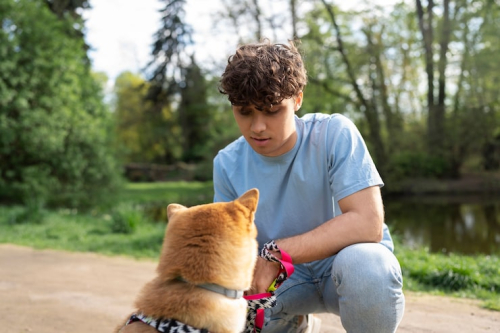
Dogs go through distinct developmental stages just like humans, and one of the most challenging yet rewarding periods is adolescence. Adolescent dog training focuses on guiding your pup through the hormonal, physical, and behavioral shifts that occur between roughly six months and two years of age. This specialized approach helps maintain good habits, addresses new challenges, and strengthens the bond between dogs and their families during a time when many owners feel like their once-obedient puppy has suddenly forgotten everything.
Your dog’s daily struggles pulling, mealtime anxiety, or reactivity don’t just cause stress, they chip away at the joy of being together. At Prime Paw, our positive reinforcement-based programs meet your dog where they are and build confidence, connection, and real skills. Our tailored programs in-person classes, coaching, and online resources help you enjoy calmer walks, relaxed routines, and a deeper connection. Ready for lasting change? Schedule a Prime Paw consultation today!
Understanding the Adolescent Phase in Dogs
Adolescence in dogs mirrors the teenage years in many ways. During this stage, puppies experience significant brain remodeling and hormonal changes associated with puberty. Research from UK universities confirms that dogs experience a distinct ‘teenage’ phase, characterized by temporary reductions in obedience and increased challenges in training. Around six to nine months, hormonal shifts lead to dogs ignoring familiar commands more frequently, particularly from their primary caregivers, while remaining more responsive to strangers.
This selective behavior often shows up as testing boundaries and reduced trainability. The phase is temporary, though, and with the right support, dogs typically regain their responsiveness once past puberty. Recognizing this as a normal developmental stage rather than willful disobedience helps owners approach training with patience and consistency.
Common Behavioral Changes During This Period
As dogs enter adolescence, they undergo noticeable physical and behavioral transformations. Around eight months to two years of age, puppies often appear to forget their early training, becoming larger, stronger, and more independent. This can include selective hearing on commands like recall or basic obedience, heightened chewing as adult teeth settle, and a drive for autonomy that leads them to explore beyond familiar boundaries.
Many owners in neighborhoods across San Francisco notice their adolescent dogs becoming more energetic, stubborn, or easily distracted by new sights, sounds, and smells. The increased strength and curiosity can strain household dynamics if not addressed proactively. Understanding these changes as part of normal adolescent puppy development changes prevents frustration and sets the foundation for successful long-term behavior.
Why Adolescent Dog Training Matters
Without targeted support during this window, early training gains can slip, leading to habits that become harder to correct later. Adolescent dog training bridges the gap between puppy classes and adult reliability. It accounts for the biological drivers behind reduced focus and boundary-testing, using positive methods to rebuild responsiveness.
Experts emphasize patience, consistency, and reward-based techniques over punishment. This period offers a valuable opportunity to deepen the human-canine bond while teaching self-control and impulse management. For busy professionals and families in vibrant communities like the Mission District, Potrero Hill, or Noe Valley, investing in adolescent training helps prevent common issues from escalating into bigger problems.
Key Elements of Effective Adolescent Training
Successful adolescent dog training builds on foundational skills while introducing new challenges suited to a growing dog’s capabilities. Core components include:
- Consistent positive reinforcement: Rewarding desired behaviors to counteract selective hearing and rebuild trust in cues.
- Mental stimulation: Puzzle toys, scent work, and interactive games that channel energy productively.
- Self-control exercises: Commands like “leave it,” “drop it,” and extended “stay” help manage impulsivity.
- Continued socialization: Controlled exposure to new environments, people, and other dogs to maintain confidence without overwhelm.
- Physical exercise tailored to age: Appropriate outlets that match the dog’s increasing stamina without risking joint strain.
Programs that combine group classes with individualized guidance prove especially effective. These settings provide structure and socialization precisely when dogs need it most, turning potential frustration into progress.
Navigating Challenges Specific to San Francisco Living
Urban environments present unique opportunities and hurdles for adolescent dogs. Busy streets, parks, and close-quarters living in areas like SoMa, Dogpatch, Bernal Heights, and the Castro District require strong recall and polite leash manners. Adolescent dogs may become more reactive to city stimuli skateboards, other animals, or crowds making targeted training essential for safety and enjoyment.
Local trails and dog-friendly spaces offer excellent venues for practicing focus amid distractions. Training that incorporates real-world scenarios helps dogs generalize skills beyond the home, supporting harmonious city living for both pups and their people.
The Benefits of Investing in Adolescent Training
Proactively addressing the adolescent phase yields lasting rewards. Dogs emerge more confident, responsive, and well-adjusted, while owners gain practical tools and realistic expectations. This stage strengthens the relationship through shared successes and mutual understanding.
Many families report smoother transitions to adulthood and fewer behavioral regressions when they maintain training momentum. The insights from canine puberty research highlight how viewing adolescence through a developmental lens reduces stress and promotes better outcomes for everyone involved.
Practical Tips for Owners
Start by maintaining daily short training sessions even when progress feels slow. Keep sessions fun and end on a positive note. Use high-value rewards during this more challenging period, and practice in gradually increasing levels of distraction.
Monitor for signs of overstimulation or fatigue, as adolescent dogs still need plenty of rest alongside activity. Crate training continues to provide a reliable safe space, and incorporating enrichment prevents boredom-driven behaviors. If challenges persist, consulting a professional trainer experienced with adolescent dogs can make a significant difference.
How Specialized Services Can Help
Professional support tailored to adolescent needs offers structure and expertise during this transitional time. Services like those from PrimePaw combine group socialization, private sessions, and ongoing guidance to help dogs and owners navigate puberty successfully. This approach ensures continuity from puppyhood into adulthood, making the journey smoother for San Francisco families.
Whether you’re dealing with selective listening, increased energy, or new independence, expert input provides customized strategies that respect both the dog’s developmental stage and your lifestyle.
Adolescent dog training represents more than obedience work it’s an investment in a lifetime of companionship. By understanding the biological realities of this phase and applying consistent, positive methods, you set your dog up for success while enjoying the unique personality that emerges during these months. With patience and the right tools, this temporary challenge becomes a foundation for a strong, rewarding relationship that lasts for years to come.
Frequently Asked Questions
What is adolescent dog training and at what age does it begin?
Adolescent dog training is a specialized approach that guides dogs through the challenging teenage phase, typically between 6 months and 2 years of age. During this period, hormonal changes and brain development can temporarily affect obedience and focus. This training helps reinforce good habits and supports dogs as they transition from puppyhood to adulthood.
What behavioral changes should I expect during my dog’s adolescent phase?
During adolescence, dogs often show selective hearing, reduced responsiveness to commands, and increased independence. They may become more easily distracted by their environment and exhibit behaviors like chewing, boundary-testing, or heightened energy levels. These changes are normal and are linked to puberty and brain development.
How can I successfully train a dog during adolescence?
Successful adolescent dog training relies on consistent positive reinforcement, short and engaging training sessions, and clear communication. Providing mental stimulation, structured socialization, and appropriate physical exercise helps manage energy and improve focus. Practicing in gradually increasing levels of distraction also strengthens long-term obedience and reliability.
Disclaimer: The above helpful resources content contains personal opinions and experiences. The information provided is for general knowledge and does not constitute professional advice.
You may also be interested in: Puppy Owners Benefit from Early Socialization Practices
Your dog’s daily struggles pulling, mealtime anxiety, or reactivity don’t just cause stress, they chip away at the joy of being together. At Prime Paw, our positive reinforcement-based programs meet your dog where they are and build confidence, connection, and real skills. Our tailored programs in-person classes, coaching, and online resources help you enjoy calmer walks, relaxed routines, and a deeper connection. Ready for lasting change? Schedule a Prime Paw consultation today!
Powered by flareAI.co