
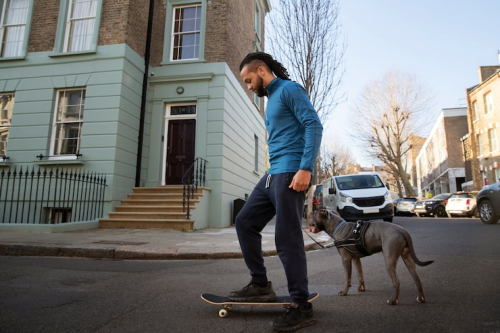
Dog owners in San Francisco’s vibrant neighborhoods know the challenge all too well: a peaceful walk through the Mission District or along Potrero Hill can quickly turn chaotic when your dog starts barking and lunging at passing dogs, cyclists, or pedestrians. This behavior, often called leash reactivity, leaves many guardians feeling embarrassed, stressed, and concerned for their dog’s well-being. Understanding why dogs bark and lunge on walks is the first step toward calmer, more enjoyable outings for both of you.
Your dog’s daily struggles pulling, mealtime anxiety, or reactivity don’t just cause stress, they chip away at the joy of being together. At Prime Paw, our positive reinforcement-based programs meet your dog where they are and build confidence, connection, and real skills. Our tailored programs in-person classes, coaching, and online resources help you enjoy calmer walks, relaxed routines, and a deeper connection. Ready for lasting change? Schedule a Prime Paw consultation today!
What Is Leash Reactivity?
Leash reactivity describes the intense barking, lunging, pulling, or growling dogs display when on leash around certain triggers. Unlike off-leash play or typical excitement, this response often stems from feeling trapped or over-aroused by the leash. Many dogs experience a mix of emotions excitement at seeing another dog combined with frustration at being unable to interact freely. Others react out of fear, using forward lunges to create distance from what they perceive as a threat.
In urban environments like SoMa, Dogpatch, Bernal Heights, the Castro District, and Noe Valley, tight sidewalks, frequent dog encounters, and bustling street activity can amplify these reactions. The leash prevents natural flight or greeting responses, turning routine walks into high-stress situations.
Common Causes of Barking and Lunging on Walks
Several factors contribute to why dogs bark and lunge on leash. Some dogs act as frustrated greeters, desperately wanting to say hello but feeling restricted by the leash. This builds tension that explodes into barking and pulling. Others lunge defensively due to fear, attempting to push away perceived dangers. In rarer cases, it may indicate true leash aggression requiring specialized professional guidance.
Dogs that bark and lunge on walks are often displaying leash reactivity, a common issue where normal situations trigger over-arousal due to excitement, fear, or frustration. Some dogs act as frustrated greeters, desperately wanting to interact with others but feeling trapped by the leash, while others lunge defensively out of fear, using forward motion to create distance from perceived threats. In rarer cases, it relates to true leash aggression that requires specialized professional support. Effective management starts with prevention: avoiding punishment, which only worsens the emotional state, and choosing equipment like front-clip harnesses that provide better control without choking. Planning routes and times to minimize encounters, keeping the leash loose to reduce tension signals, and maintaining awareness of body language allow guardians to intervene before reactions escalate.
Desensitization and counterconditioning form the core of long-term change by gradually exposing the dog to triggers at a safe distance paired with rewards, shifting their emotional response from negative to positive. Teaching incompatible behaviors like focus cues or nose targets redirects attention back to the handler. With patience and consistency, many reactive dogs learn to navigate walks calmly, improving quality of life for both pet and owner. This approach aligns with modern, science-based training that prioritizes welfare and relationship building over dominance methods.
Post-pandemic effects have heightened these issues for many San Francisco dogs. The surge in adoptions during lockdowns meant many puppies missed critical socialization windows, leading to heightened anxiety around other animals and people during walks. Older adults and busy professionals in neighborhoods like Bernal Heights and Noe Valley often notice these challenges most acutely, as daily walks become sources of stress rather than relaxation and exercise.
The Role of Environment and Past Experiences
Urban living in San Francisco presents unique triggers: scooters whizzing by in the Mission District, crowded sidewalks in SoMa, or sudden encounters near parks in Dogpatch. Dogs that lacked early positive exposure to these stimuli often develop reactivity as a coping mechanism. Fear-based responses may stem from a single negative incident, while frustration-based ones arise from repeated blocked opportunities to interact.
Body language cues also play a key role. Tight leashes, forward-leaning posture from owners, or even the guardian’s own tension can signal to the dog that something is wrong, escalating the reaction. Understanding these dynamics helps explain why the same dog might walk calmly in quieter areas but react strongly in busier neighborhoods.
Why Punishment Makes Reactivity Worse
Many well-meaning owners initially try corrections like leash jerks or verbal reprimands. However, these approaches often intensify the underlying emotional state whether fear or frustration making future reactions stronger. Positive, science-based methods focus instead on changing the dog’s emotional response rather than suppressing the behavior through force.
Modern training prioritizes welfare and relationship-building over outdated dominance techniques. This shift recognizes that reactivity usually reflects the dog’s internal experience rather than willful disobedience.
Practical Strategies to Manage and Improve Leash Reactivity
Effective management begins with prevention and thoughtful planning. Choose routes and times that minimize encounters with triggers perhaps early morning walks in quieter parts of Potrero Hill or Castro. Front-clip harnesses can offer better control without adding choking pressure, helping maintain a loose leash that reduces tension signals.
Desensitization and counterconditioning form the foundation of lasting change. This involves gradually exposing your dog to triggers at a safe distance while pairing the sight with high-value rewards, helping shift their emotional association from negative to positive. Teaching focus cues or nose-target behaviors redirects attention back to you before reactions build.
Consistency and patience are essential. Short, successful sessions build confidence more effectively than overwhelming attempts. Many guardians also benefit from professional support through board-and-train programs or specialized classes that rebuild impulse control and confidence in structured settings.
When to Seek Professional Help
While many dogs show improvement with consistent at-home work, some cases benefit greatly from expert intervention. The surge in dog adoptions during the pandemic created a wave of behavioral challenges, including leash reactivity where dogs bark, lunge, and pull toward other animals or people during walks. Many pandemic puppies missed key socialization periods, leading to anxiety-driven or frustration-fueled responses on leash that make daily exercise stressful for owners, particularly older adults who benefit greatly from regular dog walking for their own health. Board-and-train programs and specialized classes address these issues by providing intensive, structured environments to rebuild confidence and teach impulse control. Positive reinforcement techniques help dogs associate other dogs with calm outcomes rather than threats or blocked opportunities.
Guardians learn handling skills, trigger management, and how to create positive associations that carry over to real-world walks. This is especially relevant as more households navigate the long-term effects of disrupted early development in their dogs. Investing in professional support not only resolves immediate walking problems but prevents escalation into more serious issues, allowing families to enjoy the companionship and wellness benefits of dog ownership. Understanding that reactivity is often rooted in lack of early experiences rather than inherent flaws helps owners approach training with empathy and commitment, leading to more harmonious relationships and safer community interactions.
For San Francisco dog owners balancing busy lives, investing in professional guidance often prevents escalation and restores the joy of walks. This support helps both dogs and humans enjoy the companionship and wellness benefits that come from regular exercise together.
Creating Positive Walking Experiences Long-term
Successful management combines management tools, training techniques, and environmental awareness. Over time, many reactive dogs learn to navigate city walks with greater calm, improving quality of life for the entire household. The key lies in empathy recognizing that barking and lunging usually signal emotional distress rather than stubbornness.
By focusing on understanding root causes and applying humane, effective strategies, guardians can transform stressful outings into opportunities for connection and confidence-building. Whether exploring Bernal Heights trails or strolling through the Mission, calmer walks become achievable with the right approach.
At PrimePaw, we specialize in helping San Francisco dog owners address leash reactivity and other common behavioral challenges through compassionate, evidence-based methods. Understanding why dogs bark and lunge on walks empowers you to take positive steps toward harmonious daily adventures with your canine companion.
Frequently Asked Questions
Why do dogs bark and lunge on walks in San Francisco?
Dogs bark and lunge on walks due to leash reactivity, a common behavior where dogs feel over-aroused by triggers like other dogs, people, or urban activity in places such as the Mission District and SoMa. This often stems from frustration, fear, or excitement mixed with the leash restricting natural responses, amplified by post-pandemic socialization gaps and urban environments.
How does the environment in neighborhoods like Potrero Hill or Noe Valley cause leash reactivity?
Urban environments in San Francisco create unique triggers such as scooters, crowded sidewalks, and frequent dog encounters, leading to reactivity in dogs lacking early positive exposure. Dogs may react from fear of past negative incidents or frustration from blocked interactions, and owner tension or tight leashes can escalate these responses.
How to stop my dog from barking and lunging on walks?
Stop barking and lunging by managing routes to avoid triggers, using front-clip harnesses for better control, practicing loose leashes, and applying desensitization with counterconditioning paired with high-value rewards. Teach focus cues or nose targets, stay consistent and patient, and seek professional help like board-and-train programs for lasting results.
Disclaimer: The above helpful resources content contains personal opinions and experiences. The information provided is for general knowledge and does not constitute professional advice.
You may also be interested in: Early Puppy Socialization and Its Effects on Adult Behavior
Your dog’s daily struggles pulling, mealtime anxiety, or reactivity don’t just cause stress, they chip away at the joy of being together. At Prime Paw, our positive reinforcement-based programs meet your dog where they are and build confidence, connection, and real skills. Our tailored programs in-person classes, coaching, and online resources help you enjoy calmer walks, relaxed routines, and a deeper connection. Ready for lasting change? Schedule a Prime Paw consultation today!
Powered by flareAI.co