
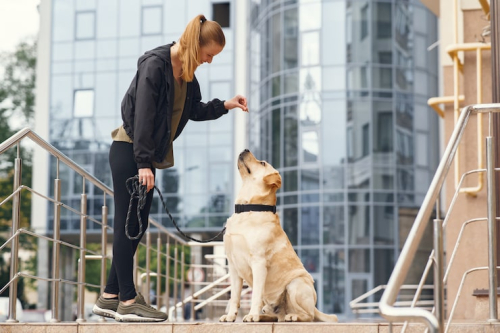
Reactive dog behavior can feel overwhelming for owners who are simply trying to enjoy a calm walk with their dog. Barking, lunging, growling, or intense fixation on other dogs or people can turn everyday outings into stressful experiences. Understanding what drives these reactions and how modern training approaches address them helps shift the focus from frustration to structured support, clearer communication, and safer routines for both dog and owner.
Your dog’s daily struggles pulling, mealtime anxiety, or reactivity don’t just cause stress, they chip away at the joy of being together. At Prime Paw, our positive reinforcement-based programs meet your dog where they are and build confidence, connection, and real skills. Our tailored programs in-person classes, coaching, and online resources help you enjoy calmer walks, relaxed routines, and a deeper connection. Ready for lasting change? Schedule a Prime Paw consultation today!
Understanding Reactive Dog Behavior
Reactive dog behavior refers to heightened emotional responses triggered by specific stimuli such as other dogs, strangers, bicycles, or unfamiliar environments. These reactions often appear sudden, but they usually stem from underlying emotional states like fear, frustration, or overstimulation rather than intentional aggression.
Many dogs displaying reactivity are not “bad” or disobedient. Instead, they are struggling to process environmental input in a regulated way. As research highlights, reactive behavior is often rooted in emotional overload and can intensify in situations where dogs feel trapped or unable to create distance from triggers. The experience can be just as stressful for the dog as it is for the handler, reinforcing a cycle of tension on both ends of the leash.
What Reactive Dog Training Actually Means
Reactive dog training is not about suppressing behavior through punishment or force. Instead, it focuses on helping dogs develop emotional regulation, safer coping strategies, and more predictable responses to triggers over time. The goal is not perfection, but progress building a dog’s ability to remain calm or recover more quickly in stimulating environments.
Modern approaches emphasize humane, reward-based systems that prioritize trust and communication. Emotional and practical challenges of reactivity reveal that owning a reactive dog brings significant emotional, logistical, and financial demands. Guardians often experience heightened stress and anxiety from public encounters, where off-leash dogs or insensitive comments like ‘he’s friendly’ undermine training efforts and safety. Themes include the constant need for situational awareness and control, such as route planning, specialized gear like harnesses or muzzles, and sometimes medication to support anxiety management. Learning about dog behavior becomes a journey in itself, with progress bringing pride amid ongoing challenges. Reactivity commonly involves fear-based responses to triggers, and supportive communities emphasize avoiding judgment while advocating for space and understanding. The study highlights that reward-based methods are preferred and effective, empowering owners to protect their dogs while addressing root causes.
In practice, reactive dog training often includes structured exposure, reinforcement of calm behavior, and controlled environments where dogs can learn without becoming overwhelmed. The process is gradual, requiring consistency and patience rather than quick fixes.
Common Causes of Leash Reactivity and Environmental Triggers
Leash reactivity is one of the most common forms of reactive dog behavior. It typically appears during walks when dogs encounter other dogs or people while restrained, which can intensify feelings of frustration or vulnerability.
Behavior specialists note that reactivity is frequently linked to fear, frustration, or lack of early social exposure rather than aggression. Dogs may bark or lunge because they are attempting to create space, express discomfort, or release built-up emotional energy. In many cases, the leash itself limits their ability to naturally disengage, which amplifies the response.
Environmental triggers also play a significant role. Busy sidewalks, narrow paths, or unexpected encounters can heighten stress levels, especially for dogs still learning how to navigate complex social environments. Over time, repeated exposure without proper support can reinforce reactive patterns rather than resolve them.
Humane Training Methods That Support Emotional Regulation
Effective reactive dog training focuses on reshaping emotional responses rather than suppressing behavior. Positive reinforcement remains one of the most widely recommended approaches, as it rewards calm decision-making and helps dogs associate triggers with positive outcomes instead of stress.
One commonly used method is Behavior Adjustment Training (BAT), which allows dogs to observe triggers from a safe distance while being reinforced for calm disengagement or self-regulation. This helps dogs learn that they have choices and are not forced into overwhelming situations.
managing leash reactivity outdoors guidance from outdoor behavior experts emphasizes that reactivity in dogs often manifests as intense barking, lunging, or growling in response to triggers like other dogs, people, or novel stimuli, frequently rooted in fear, frustration, or poor early socialization rather than a desire to harm. Effective management begins with environmental control, such as choosing quieter times and locations for walks to prevent repeated rehearsals of reactive behavior, while tools like long lines in open spaces allow dogs to observe triggers from a safe distance without escalation. Positive reinforcement training, including methods like Behavior Adjustment Training (BAT), encourages dogs to make calm choices by reinforcing disengagement or focus on the handler with rewards, fostering mindfulness and emotional regulation. Punishment-based approaches, such as prong or shock collars, are counterproductive as they heighten fear and can worsen aggression over time.
Avoiding punishment-based tools such as shock collars is strongly advised in modern training frameworks. These methods may suppress visible behavior but often increase underlying fear, making long-term progress more difficult. Instead, humane tools like harnesses or muzzles may be used as supportive management options when appropriate, helping ensure safety without increasing stress.
Practical Dog Leash Reactivity Training Strategies for Daily Walks
Real-world reactive dog training is most effective when it is integrated into daily routines. Walk structure becomes a key part of the learning process, turning ordinary outings into controlled training environments.
One foundational strategy is distance management. Keeping a comfortable buffer between your dog and known triggers allows the dog to observe without becoming overwhelmed. This prevents repeated emotional escalation and supports calmer decision-making over time.
Another important technique is proactive route planning. Choosing quieter streets, less congested parks, or off-peak walking hours can dramatically reduce exposure to unpredictable encounters. In busier urban environments, such as neighborhoods with dense pedestrian traffic, this planning becomes especially valuable for maintaining consistency.
Handler awareness also plays a critical role. Dogs are highly sensitive to body tension, leash pressure, and verbal cues. A calm, predictable handler response can help signal safety and reduce escalation during triggering moments.
The Emotional and Practical Reality of Living with a Reactive Dog
Living with a reactive dog often requires significant emotional energy, patience, and adaptability. Owners frequently report feeling stressed in public settings due to unpredictable encounters and concerns about how others will respond to their dog’s behavior.
emotional and practical challenges of reactivity highlight that caregivers often develop heightened situational awareness, carefully planning walks, avoiding crowded areas, and investing in specialized equipment or training support. These adjustments are not signs of failure but reflections of responsible management and commitment to the dog’s well-being. Financial costs for training, equipment, and veterinary support add up, yet the bond formed through dedicated work yields meaningful rewards. Broader societal awareness encouraging leash compliance and empathy could greatly ease burdens for these families.
At the same time, many owners describe a strong bond that develops through the training process. Working through reactivity requires close observation, consistency, and empathy, which often deepens the relationship between dog and handler over time.
Building Long-term Progress and Setting Realistic Expectations
Progress in reactive dog training is rarely linear. Dogs may show improvement in controlled environments while still reacting unpredictably in new or highly stimulating situations. This inconsistency is a normal part of behavioral learning rather than a setback.
Long-term success depends on consistency, environmental management, and ongoing reinforcement of calm behavior. Training is not a single intervention but an evolving process that adapts as the dog’s confidence and coping skills develop.
Expert perspectives emphasize that most reactive dogs can improve significantly with the right approach, especially when training prioritizes emotional regulation and avoids fear-based methods. However, the goal is not to eliminate all reactions but to help dogs recover faster, respond more calmly, and navigate their environment with greater confidence.
For owners, this means focusing less on perfection and more on gradual stability. Small wins such as a calmer response at a distance or quicker recovery after a trigger represent meaningful progress in a long-term behavioral journey.
A More Compassionate Approach to Reactive Dog Training
Reactive dog training is fundamentally about understanding behavior through the lens of emotion, not control. Dogs that bark, lunge, or become reactive are communicating discomfort, uncertainty, or overload not defiance. When owners shift their approach toward structured guidance, positive reinforcement, and thoughtful environmental management, meaningful change becomes possible.
While the process can be demanding, it also offers an opportunity to build stronger communication and trust between dogs and their owners. With patience, consistency, and humane methods, reactive dogs can learn to navigate their world with greater calm and confidence, improving daily life for both ends of the leash.
Frequently Asked Questions
What is reactive dog training and how does it work?
Reactive dog training is a behavior-focused approach that helps dogs manage strong emotional reactions to triggers like other dogs, people, or vehicles. Instead of using punishment, it emphasizes emotional regulation, positive reinforcement, and structured exposure to build calmer responses over time. Techniques like Behavior Adjustment Training (BAT) and controlled environments help dogs learn coping skills gradually and safely.
What causes leash reactivity in dogs during walks?
Leash reactivity in dogs is often caused by fear, frustration, overstimulation, or limited ability to create distance from triggers while on a leash. Dogs may bark, lunge, or growl because they feel trapped or overwhelmed in busy or unpredictable environments. Lack of early socialization and repeated stressful encounters can also reinforce reactive behavior over time.
What are the best humane methods for training a reactive dog?
The best humane methods for reactive dog training focus on positive reinforcement, distance management, and controlled exposure to triggers. Techniques such as BAT encourage dogs to observe and disengage calmly without pressure, while structured walk planning helps prevent overstimulation. Avoiding punishment-based tools like shock collars is important, as they can increase fear and worsen reactive behavior.
Disclaimer: The above helpful resources content contains personal opinions and experiences. The information provided is for general knowledge and does not constitute professional advice.
You may also be interested in: Dog Training in 2026 Focuses on Trust and Joyful Learning
Your dog’s daily struggles pulling, mealtime anxiety, or reactivity don’t just cause stress, they chip away at the joy of being together. At Prime Paw, our positive reinforcement-based programs meet your dog where they are and build confidence, connection, and real skills. Our tailored programs in-person classes, coaching, and online resources help you enjoy calmer walks, relaxed routines, and a deeper connection. Ready for lasting change? Schedule a Prime Paw consultation today!
Powered by flareAI.co