
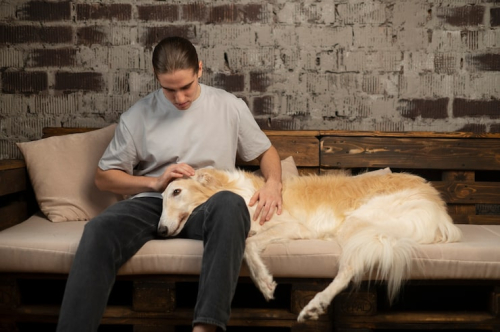
Dogs rarely react “out of nowhere.” What often looks like sudden barking, lunging, freezing, or pulling on the leash is usually a response to something they perceive as overwhelming or unsafe. These reactions are commonly linked to learned associations with specific sights, sounds, or situations what many trainers refer to as triggers. Understanding how to calm a dog around triggers starts with recognizing that these responses are emotional, not disobedient, and that lasting change comes from helping a dog feel safer rather than simply suppressing behavior.
For dog owners navigating reactivity or anxiety, especially during walks or in busy environments, the goal is not perfection but progress. With the right approach rooted in patience, consistency, and science-backed methods like positive reinforcement and gradual exposure dogs can learn to respond to their environment with greater confidence and emotional balance. This is where structured approaches such as reactive dog training techniques and desensitization work together to reshape how dogs experience the world around them.
Your dog’s daily struggles pulling, mealtime anxiety, or reactivity don’t just cause stress, they chip away at the joy of being together. At Prime Paw, our positive reinforcement-based programs meet your dog where they are and build confidence, connection, and real skills. Our tailored programs in-person classes, coaching, and online resources help you enjoy calmer walks, relaxed routines, and a deeper connection. Ready for lasting change? Schedule a Prime Paw consultation today!
Understanding Dog Triggers and Emotional Responses
Dog triggers are stimuli that activate a strong emotional response, often rooted in fear, uncertainty, or overstimulation. These can include other dogs, strangers, bicycles, loud traffic, or even sudden environmental changes. Dog anxiety often arises from perceived threats like unfamiliar people, noises, separation, or routine changes, with signs ranging from subtle lip licking and avoidance to more obvious trembling, pacing, or destructive actions. According to veterinary insights on dog anxiety management, veterinary evaluation rules out underlying medical issues such as pain or cognitive dysfunction before implementing behavioral strategies. Positive reinforcement training combined with desensitization helps reframe triggers by starting exposures at manageable levels and rewarding calm responses.
Natural calming aids like pheromone diffusers, supplements containing alpha-casozepine, and consistent exercise support the process by lowering baseline stress. Creating safe spaces, maintaining routines, and using tools like white noise or enrichment toys further promote relaxation. For situational triggers, short-term medication under veterinary guidance can bridge the gap while behavior modification takes effect. This comprehensive approach empowers owners to help their dogs develop coping skills, leading to greater confidence and fewer reactive episodes in daily life.
When a dog encounters a trigger, their nervous system shifts into a heightened state of alert. This can manifest as barking, growling, pacing, freezing, or attempting to escape the situation. In urban environments where sensory input is constant and unpredictable, these reactions can become more frequent if not addressed early. The key is to interpret these behaviors as communication rather than defiance.
Understanding dog anxiety triggers helps owners reframe the problem: the dog is not “misbehaving,” but rather reacting to something they have not yet learned how to process safely. This mindset shift is foundational for effective training and long-term emotional regulation.
Recognizing Early Signs of Stress Before Reactivity Escalates
Before a dog fully reacts, there are often subtle warning signs that indicate rising stress levels. These may include lip licking, yawning, stiff posture, pinned-back ears, or avoiding eye contact. Recognizing these signals early allows owners to intervene before the emotional threshold is crossed.
Helping dogs manage anxiety around specific triggers begins with identifying the root causes, whether they stem from lack of early socialization, past experiences, or medical issues. According to expert strategies for soothing dog anxiety, recognizing early signs of stress such as lip licking, yawning, or pulled-back ears allows owners to intervene before anxiety escalates. Building confidence through consistent routines, teaching a reliable settle command, and creating a portable safe space like a mat or bed that the dog associates with positive experiences can significantly reduce reactivity. Desensitization and counterconditioning stand out as powerful techniques: by gradually exposing the dog to triggers at a low intensity while pairing them with high-value rewards, owners can shift the dog’s emotional response from fear to calm anticipation. This approach works particularly well for leash reactivity, fear of other dogs, or environmental stressors. Avoiding punishment is crucial, as it can heighten anxiety and damage trust. Instead, focus on prevention through games that engage the mind, plenty of exercise, and professional guidance when needed. These methods not only help dogs feel calmer in the moment but also foster long-term resilience, making everyday situations more manageable for both pets and their guardians.
This stage is also where consistency matters most. Dogs thrive on predictability, and repeated exposure to overwhelming situations without support can reinforce anxious patterns. By intervening early, owners begin shaping a new emotional association where potential triggers no longer predict distress but instead signal safety and guidance.
Desensitization and Counter Conditioning as Core Training Strategies
One of the most effective foundations of dog desensitization training is gradual exposure paired with positive emotional associations. Desensitization involves introducing a trigger at a low intensity far enough away or quiet enough that the dog notices it without reacting. Over time, this exposure is slowly increased as the dog builds tolerance.
Counter conditioning for dogs complements this process by pairing the presence of a trigger with something the dog values, such as treats or praise. This approach helps shift the dog’s emotional response from fear or anxiety toward anticipation of positive outcomes.
These techniques are especially effective for issues like leash reactivity or fear of other dogs. The process requires patience, as progress is measured in emotional shifts rather than immediate behavioral perfection. Over time, dogs learn that previously stressful stimuli no longer predict negative experiences, reducing reactivity and building confidence.
Building Safe Routines and Environments for Emotional Stability
Dogs experiencing anxiety benefit significantly from predictable routines and structured environments. Consistency in feeding times, walks, rest, and play helps reduce uncertainty, which is often a major contributor to stress.
Safe spaces also play an important role. This could be a designated bed, crate, or quiet corner where the dog can retreat when overwhelmed. When paired with positive reinforcement, this space becomes associated with calmness rather than isolation.
Environmental management is equally important. For dogs sensitive to noise or movement, tools such as white noise, controlled lighting, or enrichment toys can help reduce overstimulation. These adjustments are not about avoiding triggers entirely, but about creating conditions where the dog can gradually build resilience without being overwhelmed.
Positive Reinforcement and Calming Techniques in Daily Training
Modern training approaches emphasize reward-based learning rather than punishment. Positive reinforcement dog training methods focus on rewarding desired behaviors, which strengthens those behaviors over time and builds trust between dog and owner.
Calming techniques for reactive dogs often include teaching alternative behaviors such as “look at me,” “sit,” or “settle,” which redirect attention away from triggers. These behaviors provide the dog with clear, achievable actions that replace reactive responses.
Combining positive reinforcement with structured behavioral support can help reduce overall anxiety levels while improving coping skills. Exercise, mental stimulation, and enrichment activities further support emotional regulation by lowering baseline stress.
These strategies work best when practiced consistently in low-stress environments before being applied in more challenging situations. This allows the dog to build confidence gradually and reliably.
Managing Reactivity on Walks in Urban Environments
Walks are one of the most common contexts where reactivity becomes visible, especially in environments with high sensory input. Learning how to stop dog reactivity on walks involves preparation, awareness, and timing. Distance management is critical keeping a safe buffer between the dog and known triggers helps prevent escalation.
Rather than forcing exposure, owners can redirect attention using high-value rewards or trained cues when a trigger appears at a manageable distance. Over time, this builds a pattern where the presence of other dogs, cyclists, or pedestrians becomes less threatening.
Urban environments require flexibility. Not every walk will be a training opportunity, and sometimes the best decision is to change direction or create space. This is not avoidance; it is strategic management that supports long-term progress in reactive dog training techniques.
Long-term Emotional Regulation and Knowing When to Seek Help
Building emotional regulation in dogs is a gradual process that combines training, environmental support, and consistent reinforcement. Progress may be nonlinear, with improvements followed by occasional setbacks, especially during periods of change or increased stress.
In some cases, professional support from a qualified trainer or veterinary behaviorist may be necessary. This is particularly true when anxiety is persistent or significantly impacts daily functioning. Structured guidance ensures that training plans are appropriately tailored to the dog’s emotional needs and learning style.
Ultimately, helping a dog feel calmer around triggers is about building trust and predictability. When dogs learn that their environment is manageable and that their owner provides guidance and safety, their ability to navigate the world improves significantly.
With patience, consistency, and evidence-based methods, even highly reactive dogs can develop calmer, more confident responses to the world around them.
Frequently Asked Questions
What are common dog triggers and how can I recognize stress signals in my dog?
Common dog triggers include other dogs, strangers, bicycles, loud noises, and busy urban environments. Stress often shows up through early signals like lip licking, yawning, stiff body posture, pinned-back ears, or avoiding eye contact. These reactions are emotional responses, not disobedience, and they often appear before more obvious reactivity like barking or lunging.
How do desensitization and counterconditioning help calm a reactive dog?
Desensitization works by gradually exposing a dog to a trigger at a very low intensity so they can notice it without reacting. Counterconditioning pairs that trigger with something positive, such as high-value treats, to change the dog’s emotional response over time. Together, these methods help a dog learn that triggers predict safety and rewards instead of fear or stress.
What is the best way to stop leash reactivity during dog walks in busy environments?
Managing leash reactivity on walks involves maintaining a safe distance from triggers to prevent your dog from becoming overwhelmed. Redirecting attention with rewards or trained cues before the reaction escalates is key. Instead of forcing exposure, strategic avoidance and gradual training in controlled settings help build long-term confidence and calmer behavior.
Disclaimer: The above helpful resources content contains personal opinions and experiences. The information provided is for general knowledge and does not constitute professional advice.
You may also be interested in: National Train Your Dog Month: Tips, Benefits and Building Trust
Your dog’s daily struggles pulling, mealtime anxiety, or reactivity don’t just cause stress, they chip away at the joy of being together. At Prime Paw, our positive reinforcement-based programs meet your dog where they are and build confidence, connection, and real skills. Our tailored programs in-person classes, coaching, and online resources help you enjoy calmer walks, relaxed routines, and a deeper connection. Ready for lasting change? Schedule a Prime Paw consultation today!
Powered by flareAI.co