
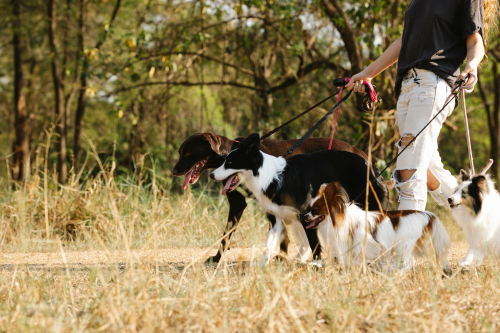
Dog owners frequently encounter a common frustration: their companion pulls ahead on every walk, turning a simple outing into an exhausting battle of wills. This behavior feels especially pronounced in vibrant urban neighborhoods where constant activity fills the streets. The reality is that loose-leash walking takes deliberate practice because it is not an instinct dogs bring to the relationship. It is a skill built through repetition, clear communication, and gradual adaptation to the environment around them.
Your dog’s daily struggles pulling, mealtime anxiety, or reactivity don’t just cause stress, they chip away at the joy of being together. At Prime Paw, our positive reinforcement-based programs meet your dog where they are and build confidence, connection, and real skills. Our tailored programs in-person classes, coaching, and online resources help you enjoy calmer walks, relaxed routines, and a deeper connection. Ready for lasting change? Schedule a Prime Paw consultation today!
Why Dogs Pull on the Leash in Stimulating Environments
Many dogs experience a surge in pulling when they encounter heightened sensory input. Moving from quieter surroundings into a bustling city setting often amplifies this response as the animal processes new sounds, smells, sights, and movement all at once. What looks like stubbornness is frequently insecurity or simple overload as the dog tries to make sense of everything happening nearby.
This reaction reveals an important truth about leash skills. Loose-leash walking is not an innate behavior. It requires deliberate practice, consistent routines, and environmental adaptation to help the dog rebuild confidence and focus. Handlers who recognize this dynamic can shift from correction-based reactions to supportive training that addresses the root causes rather than just the symptom of pulling.
In dynamic real-life settings, the same walk that feels routine to a person can feel overwhelming to a dog. Short, predictable training sessions combined with opportunities for free exploration help meet natural needs while strengthening the ability to focus during structured time on the leash.
Transitioning a dog to a new environment, such as moving from a quiet suburban home to a bustling city, can dramatically increase leash pulling as the animal processes heightened sensory input and insecurity. This highlights how loose-leash walking is not an innate behavior but one that requires deliberate practice, consistent routines, and environmental adaptation to rebuild confidence. Proper equipment choices, like a well-fitted front-clip harness and a dual-handled leash, provide immediate mechanical support that reduces pulling while training progresses, allowing handlers to redirect focus more effectively without force. Beyond gear, success depends on building predictability through daily structures, including crate routines for security and using mealtimes for foundational cues like eye contact and attention. These elements reinforce that patience and incremental practice sessions are essential, as dogs learn to associate loose leash tension with forward progress and rewards.
For dog owners, this underscores the value of viewing leash skills as part of a broader relationship-building process rather than a quick fix. Regular, short training walks combined with opportunities for the dog to explore and sniff freely help meet natural needs while strengthening focus during structured outings. Over time, these consistent efforts transform frustrating pulls into calm, enjoyable walks, improving safety and bonding for both dog and guardian in dynamic real-life settings. Learn more about these real-world leash training challenges.
Loose-leash Walking Is a Learned Skill, Not an Instinct
Dogs do not automatically understand how to walk with a loose leash any more than they instinctively know how to navigate city crosswalks or ignore interesting scents. The behavior must be taught and reinforced over time. When tension on the leash becomes associated with forward progress and rewards, dogs begin to choose the loose state more consistently because it produces better outcomes for them.
Viewing leash skills as part of a broader relationship-building process changes the entire approach. Instead of expecting instant compliance, successful handlers treat each walk as an opportunity to practice communication and trust. This mindset reduces frustration on both sides and leads to steadier progress because the focus stays on mutual understanding rather than quick fixes.
Patience plays a central role here. Dogs learn at different rates depending on their age, past experiences, and the level of distraction in their daily environment. Rushing the process often creates more pulling because the dog never gets the chance to associate the desired behavior with positive results.
Laying the Groundwork with Early Leash Familiarization
Puppies in particular do not instinctively understand leash walking. The skill demands early introduction and ongoing reinforcement through positive methods. Starting leash familiarization indoors before moving to full outdoor walks sets a strong foundation that carries forward into more challenging situations.
High-value treats reward attention, eye contact, and staying close with a loose leash during these early sessions. Clear verbal cues such as “let’s go” or “with me” help puppies anticipate movement and direction changes, preventing frustration and building reliable check-ins even when the leash is extended. This structured introduction makes later outdoor work far more successful because the puppy already understands the basic expectations.
Puppies do not instinctively understand leash walking, making it a skill that demands early introduction and ongoing reinforcement through positive methods. Starting leash familiarization indoors before full outdoor walks sets a strong foundation, using high-value treats to reward attention, eye contact, and staying close with a loose leash. Clear verbal cues like ‘let’s go’ or ‘with me’ help puppies anticipate movement and direction changes, preventing frustration and building reliable check-ins even at the end of the leash. This process emphasizes that loose-leash walking improves with repetition in low-distraction environments first, gradually adding real-world challenges. Patience is crucial because puppies face numerous distractions, and handlers must communicate expectations explicitly rather than simply correcting unwanted pulling.
Incorporating sniff walks separately satisfies exploration needs, making focused training sessions more successful. Professional guidance through classes can accelerate progress and prevent bad habits from forming. Ultimately, investing time in these practices leads to safer, more pleasurable walks that enhance the human-dog bond and support overall behavioral development. Loose-leash walking becomes second nature through consistent, rewarding practice that prioritizes engagement over perfection in every moment. For more details, see puppy leash training foundations.
Professional guidance through classes can accelerate progress and prevent bad habits from forming in the first place. Trainers experienced in positive reinforcement techniques provide real-time feedback that helps handlers refine their timing and consistency, turning potential setbacks into steady improvement.
Using Daily Routines to Build Focus and Security
Success with loose-leash walking often depends on building predictability through simple daily structures. Crate routines, for example, give many dogs a sense of security that carries over into other parts of the day. Using mealtimes to practice foundational cues like eye contact and attention reinforces calm focus without adding extra training time to an already busy schedule.
These predictable elements help dogs feel more secure when they step outside. A dog that knows what to expect at home tends to handle novel stimuli on walks with greater composure because the overall day already contains reliable patterns. The leash skill then becomes one more predictable interaction rather than an isolated demand.
Incremental practice sessions work best when they remain short and positive. Five or ten minutes of focused work several times a day builds the association between loose leash tension and forward movement more effectively than long, tiring sessions that end in frustration for everyone involved.
Selecting Equipment That Aids Training Progress
Proper equipment choices provide immediate mechanical support that reduces pulling while training progresses. A well-fitted front-clip harness and a dual-handled leash allow handlers to redirect focus more effectively without relying on force or constant corrections. The right gear buys time and reduces the physical strain that often escalates pulling into a larger problem.
Equipment alone does not create lasting change, but it creates the conditions where training can succeed. When the harness or leash design makes it physically easier for the dog to stay close without discomfort, the handler can concentrate on reinforcing the desired behavior instead of managing constant tension. This practical support proves especially valuable during the early stages when the dog is still learning what the new expectations feel like.
Handlers who invest time in proper fit and introduction of the equipment often see faster cooperation because the dog experiences less frustration from the very beginning. The gear becomes a helpful tool rather than another source of conflict during walks.
The Role of Positive Reinforcement and Incremental Practice
Positive reinforcement remains the most reliable path to lasting behavioral change. Dogs learn to associate the loose-leash state with good things happening, which makes them more likely to choose that state again in the future. This approach respects the dog’s need for clarity while strengthening the human-animal bond through shared success rather than conflict.
Repetition in low-distraction environments first, followed by gradual addition of real-world challenges, prevents overwhelm and builds reliable responses. Handlers who communicate expectations explicitly rather than simply correcting unwanted pulling see steadier improvement because the dog understands what to do instead of only what not to do.
Over time, these consistent efforts transform frustrating pulls into calm, enjoyable walks. The improvement in safety and daily quality of life for both dog and guardian makes the initial investment of time and patience worthwhile. The relationship grows stronger because each walk becomes an opportunity for connection instead of a source of stress.
Separating Exploration From Structured Walks
Regular, short training walks paired with separate opportunities for the dog to explore and sniff freely help meet natural needs while protecting the focus required during structured outings. When dogs receive dedicated time to investigate their surroundings without the pressure of staying in perfect heel position, they tend to settle more readily into focused walking when that is the goal.
This separation prevents the common pattern where every walk becomes a constant negotiation between exploration and control. The dog learns that both needs will be met, which reduces the urgency to pull in every situation. Handlers who build this balance into their routine often report calmer overall behavior because the dog no longer feels the need to seize every moment for investigation.
Loose-leash walking becomes second nature through this consistent, rewarding practice that prioritizes engagement over perfection in every moment. The skill develops naturally as part of a larger, positive daily rhythm rather than as an isolated performance demand.
With patience and the right approach, even dogs who currently pull strongly can learn to walk calmly beside their person. The process rewards both sides with safer, more pleasant outings and a deeper sense of partnership. For owners ready to invest in building these skills with expert support tailored to their dog’s individual needs, professional guidance can make the journey smoother and more effective from the start.
Frequently Asked Questions
Why does my dog pull on the leash during walks in busy environments?
Dogs often pull on the leash due to heightened sensory stimulation, especially in busy or urban environments. New sights, sounds, and smells can create excitement, anxiety, or overstimulation, leading to stronger pulling behavior. Rather than stubbornness, leash pulling is usually a response to overload and a lack of learned loose-leash walking skills.
How can I train my dog to walk on a loose leash using positive reinforcement?
Loose-leash walking is a learned skill that improves with consistent training and positive reinforcement. Short, focused sessions in low-distraction environments help dogs understand expectations before gradually adding real-world challenges. Using clear cues, rewards for staying close, and separating sniff walks from structured training walks all help build reliable leash manners over time.
What equipment helps reduce dog leash pulling during training?
Proper equipment like a well-fitted front-clip harness and a dual-handled leash can provide immediate support during training. These tools help redirect your dog’s movement and reduce strain without relying on force. While helpful, they work best when combined with consistent training, patience, and reinforcement of loose-leash behavior.
Disclaimer: The above helpful resources content contains personal opinions and experiences. The information provided is for general knowledge and does not constitute professional advice.
You may also be interested in: Building Resilient Dogs Through Early Positive Experiences
Your dog’s daily struggles pulling, mealtime anxiety, or reactivity don’t just cause stress, they chip away at the joy of being together. At Prime Paw, our positive reinforcement-based programs meet your dog where they are and build confidence, connection, and real skills. Our tailored programs in-person classes, coaching, and online resources help you enjoy calmer walks, relaxed routines, and a deeper connection. Ready for lasting change? Schedule a Prime Paw consultation today!
Powered by flareAI.co