
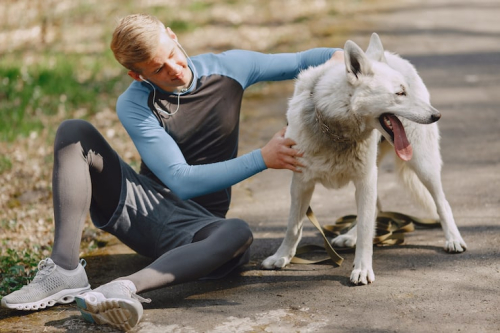
Many dog owners prioritize daily walks and active play to keep their pets healthy and happy. Yet even with consistent physical activity, some dogs continue to show restlessness, destructive chewing, or excessive barking at home. This gap often stems from an unmet need for mental exercise, which engages a dog’s brain in ways physical movement alone cannot replicate.
Your dog’s daily struggles pulling, mealtime anxiety, or reactivity don’t just cause stress, they chip away at the joy of being together. At Prime Paw, our positive reinforcement-based programs meet your dog where they are and build confidence, connection, and real skills. Our tailored programs in-person classes, coaching, and online resources help you enjoy calmer walks, relaxed routines, and a deeper connection. Ready for lasting change? Schedule a Prime Paw consultation today!
Why Walks Alone May Not Be Enough
Physical exercise helps dogs burn energy, maintain healthy weight, and support cardiovascular function. However, it primarily addresses the body. A dog’s mind requires separate stimulation to process information, solve problems, and use natural instincts. Without it, even well-exercised dogs can become bored or frustrated, leading them to create their own outlets that owners find challenging.
Physical activity delivers significant mental health benefits for dogs by promoting brain-derived neurotrophic factor production, enhancing blood flow to the brain, and supporting neuron growth in areas responsible for learning and memory. Studies involving thousands of dogs demonstrate that active individuals are far less likely to experience canine cognitive dysfunction compared to sedentary ones, highlighting how movement influences brain sharpness and emotional balance. Exercise also helps regulate stress hormones while boosting mood-enhancing chemicals like dopamine and serotonin, resulting in calmer, more content dogs. For breeds with high energy levels common in training prolso helps regulate stress hormones while prevents frustration and destructive outlets while fostering better overall temperament. Regular activity routines, including walks and interactive play, contribute to reduced anxiety, improved focus during training sessions, and stronger resilience against age-related cognitive changes. This interconnected relationship between body and mind underscores why balanced exercise regimens are foundational for preventing behavioral issues and supporting lifelong canine wellness in dynamic household settings.
Urban living often amplifies this issue. Apartment dogs may have limited space for free exploration, and busy schedules can mean shorter or more structured outings. The result is a pet that appears tired after a walk yet still seeks ways to stay occupied indoors.
Tapping Into Natural Canine Instincts
Dogs evolved as hunters and foragers. Their daily satisfaction depends heavily on using senses like smell and engaging in problem-solving behaviors such as sniffing, scavenging, and chewing. When these instincts go unfulfilled, dogs may redirect that drive into less desirable actions like chewing furniture or digging at floors.
Enrichment activities that tap into dog’s natural behaviors like sniffing, scavenging, chewing, and problem-solving are fundamental to their physical, emotional, and mental satisfaction. Dogs lacking sufficient stimulation often resort to self-directed activities that manifest as problematic behaviors, making proactive enrichment essential for prevention. Simple DIY approaches, such as food puzzles using household items like muffin tins or toilet paper rolls, snuffle mats for foraging, scent games, and indoor agility setups, provide accessible ways to challenge their minds and slow down mealtimes while satisfying instincts. These practices reduce boredom, anxiety, and stress while promoting healthy outlets for energy that complement structured training and physical exercise. By allowing dogs to engage in species-appropriate behaviors in safe, supervised ways, guardians foster greater confidence, better impulse control, and stronger bonds. For dogs in training environments or urban living situations with limited space, consistent enrichment helps maintain behavioral stability and overall happiness, proving that mental exercise is a practical and effective investment in a dog’s quality of life.
Enrichment activities that mimic these natural behaviors provide meaningful mental work. Simple setups using household items can turn mealtime into a foraging challenge or transform a quiet afternoon into a scent-based game. These approaches help dogs feel purposeful and satisfied without requiring large outdoor spaces.
Spotting the Signs of Mental Under-stimulation
Owners often recognize physical tiredness but miss mental fatigue. Common indicators include destructive chewing on non-toy items, excessive vocalization even when needs are met, pacing or restlessness after exercise, and difficulty settling during downtime. Some dogs develop repetitive behaviors or appear overly excitable during routine interactions.
These signs frequently appear in dogs that receive regular physical activity yet lack opportunities for cognitive engagement. Addressing the mental side often reduces these behaviors more effectively than adding extra walks alone.
How Physical and Mental Exercise Work Together for Brain Health
Research shows that physical activity supports canine mental sharpness by promoting blood flow to the brain and encouraging the growth of new neurons in areas tied to learning and memory. Active dogs tend to maintain better cognitive function as they age compared with more sedentary ones.
Beyond brain structure, movement helps regulate stress hormones while increasing feel-good chemicals such as dopamine and serotonin. The combination of physical movement and mental challenges creates calmer, more focused dogs that handle daily life with greater resilience. For dogs with higher energy levels, pairing the two prevents frustration that can otherwise lead to unwanted outlets.
Exercise and dog mental health are deeply connected. A routine that includes both keeps the body fit while keeping the mind engaged, supporting long-term emotional balance and reducing the likelihood of age-related cognitive changes.
Simple, Effective Enrichment Ideas for Any Home
Adding mental exercise does not require expensive equipment or hours of time. Many effective options use items already in the home or affordable puzzle toys designed for dogs.
- Replace regular food bowls with puzzle feeders or food-dispensing toys. Dogs must work to release kibble, slowing down meals and providing problem-solving practice.
- Create DIY foraging games using muffin tins or cardboard boxes. Hide treats under tennis balls or in crumpled paper for dogs to uncover using their noses.
- Make or buy a snuffle mat. Scattering kibble or treats in the fabric encourages natural sniffing and foraging behaviors that tire the brain more than a standard walk.
- Play short scent games. Hide a favorite toy or a few treats in different rooms and let your dog search. This taps into hunting instincts and can be adjusted for any living space.
- Offer stuffed and frozen Kongs or similar chew toys. The licking and chewing action provides calming mental focus while satisfying the need to work on something.
- Incorporate brief training sessions. Teaching a new trick or practicing known commands for five to ten minutes engages focus and impulse control without physical exhaustion.
These activities complement existing walks and can be rotated to keep things interesting. Supervision remains important, especially when introducing new items, to ensure safety.
Building Consistent Mental Challenges Into Everyday Life
The most sustainable approach integrates mental exercise into existing routines rather than treating it as an add-on. Morning meals in a puzzle toy, a quick scent game before leaving for work, and a short training session in the evening create regular cognitive outlets without overwhelming schedules.
For dogs in busy households, variety matters. Rotating between different types of enrichment prevents habituation and keeps the brain active. Some days might emphasize nose work, while others focus on interactive play or learning. Owners who observe which activities most engage their individual dog can refine the mix over time.
Consistency helps dogs develop better impulse control and confidence. Over weeks and months, many owners notice their pets settle more easily, interact more calmly with visitors, and show fewer signs of boredom-driven behavior.
The Lasting Impact on Behavior and Well-being
Dogs that receive regular mental exercise alongside physical activity tend to display improved focus during training, reduced anxiety in familiar environments, and stronger bonds with their owners. The shared problem-solving and play create positive interactions that reinforce trust and communication.
Mental engagement also supports lifelong wellness. Keeping the brain active through varied challenges helps maintain cognitive sharpness and emotional stability as dogs age. This proactive approach often prevents small issues from developing into larger behavioral concerns.
Every dog is different. What tires one dog’s mind may not challenge another. Paying attention to individual preferences and energy levels allows owners to build a routine that truly meets their pet’s needs. When mental and physical exercise work together, dogs thrive in any living situation, bringing more calm and connection to daily life.
Frequently Asked Questions
Why do dogs need mental exercise as much as physical exercise?
Dogs require mental exercise in addition to physical activity because their brains need stimulation to process information, solve problems, and engage natural instincts. While walks and play support physical health, they do not fully address cognitive needs. Without mental enrichment, dogs may develop boredom-related behaviors such as chewing, barking, or restlessness. Combining physical and mental exercise leads to better behavior, improved focus, and overall emotional balance.
What are the signs that my dog needs more mental stimulation?
Common signs of a lack of mental stimulation in dogs include destructive chewing, excessive barking, pacing, and difficulty settling even after exercise. Some dogs may also appear restless, overly excitable, or engage in repetitive behaviors indoors. These behaviors often occur despite adequate physical activity. Increasing mental enrichment can significantly reduce these issues by keeping the dog’s brain engaged and satisfied.
What are some simple mental enrichment activities for dogs at home?
Simple mental enrichment for dogs includes puzzle feeders, snuffle mats, and food-dispensing toys that encourage problem-solving during meals. Scent games, such as hiding treats or toys around the house, help stimulate natural hunting and foraging instincts. DIY options like muffin tin puzzles or stuffed Kongs also provide effective cognitive challenges. These activities are easy to implement and help reduce boredom while improving behavior.
Disclaimer: The above helpful resources content contains personal opinions and experiences. The information provided is for general knowledge and does not constitute professional advice.
You may also be interested in: Puppy Owners Benefit from Early Socialization Practices
Your dog’s daily struggles pulling, mealtime anxiety, or reactivity don’t just cause stress, they chip away at the joy of being together. At Prime Paw, our positive reinforcement-based programs meet your dog where they are and build confidence, connection, and real skills. Our tailored programs in-person classes, coaching, and online resources help you enjoy calmer walks, relaxed routines, and a deeper connection. Ready for lasting change? Schedule a Prime Paw consultation today!
Powered by flareAI.co