
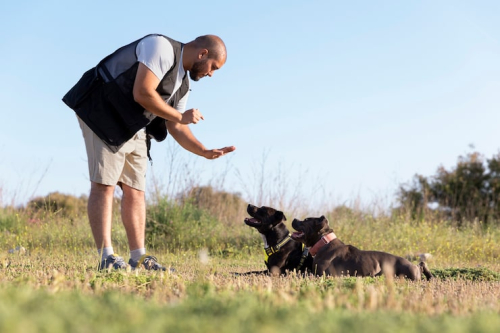
In a city like San Francisco, where dogs can enjoy spacious green spaces and community adventures, off-leash dog training stands out as a key milestone for responsible pet care. It goes beyond basic obedience and lets dogs explore their surroundings while keeping safety as the top priority. This approach builds on solid foundations like reliable recall and impulse control, creating opportunities for enrichment that support both physical health and mental well-being.
Your dog’s daily struggles pulling, mealtime anxiety, or reactivity don’t just cause stress, they chip away at the joy of being together. At Prime Paw, our positive reinforcement-based programs meet your dog where they are and build confidence, connection, and real skills. Our tailored programs in-person classes, coaching, and online resources help you enjoy calmer walks, relaxed routines, and a deeper connection. Ready for lasting change? Schedule a Prime Paw consultation today!
Understanding the Foundations of Effective Off-leash Training
Off-leash dog training requires dogs to demonstrate strong obedience skills before gaining true freedom. Guardians must establish consistent recall through careful, gradual practice. This begins in low-distraction settings, such as the home, and progresses to more challenging environments on-leash before advancing to longer lines or fully off-leash scenarios.
Positive reinforcement plays a central role throughout the process. Frequent praise and high-value rewards help ensure that returning to the guardian remains more appealing than any distractions. This method encourages dogs to associate freedom with positive outcomes rather than exploring at will.
Breed considerations matter greatly in off-leash contexts. Dogs with strong prey drives, such as sighthounds, terriers, or hounds, may need extra emphasis on boundary awareness and recall reliability. Safety remains paramount, with activities limited to securely fenced yards, designated dog parks, or posted off-leash areas. Busy streets, trails, and most public parks still require leashing.
Scientific Insights Into Leash Status and Dog Behavior
Research on dog behavior with and without leashes highlights important differences in how dogs interact depending on whether they are restrained. Off-leash dogs often engage in longer, more natural interactions involving increased sniffing, play, and relaxed body language compared to on-leash encounters, which can appear more tense or restrained. This dynamic underscores the value of structured off-leash training for safe socialization and exercise.
research on dog behavior with and without leashes provide valuable scientific insights into canine interactions, revealing important differences in behavior depending on leash status. These studies underscore the value of structured off-leash training for safe socialization and exercise. They show that off-leash dogs often engage in longer, more natural interactions involving increased sniffing, play, and relaxed body language compared to on-leash encounters, which can appear more tense or restrained. This highlights why proper training for off-leash scenarios is essential it allows dogs to express normal social behaviors while maintaining responsiveness to their handlers. For positive reinforcement programs, these findings support incorporating controlled off-leash practice to build confidence and appropriate social skills without compromising safety.
Reliable recall and boundary awareness become key tools, enabling dogs to enjoy freedom in suitable environments like designated parks or supervised group adventures. Understanding these dynamics helps dog owners appreciate the importance of gradual training progression, starting with basic cues and advancing to real-world proofing. Businesses focused on science-based methods can leverage such research to guide clients toward balanced approaches that enhance welfare, reduce conflict in shared spaces, and promote harmonious human-canine relationships. Ultimately, well-trained off-leash dogs experience enriched lives with better physical health, mental stimulation, and stronger bonds, provided training emphasizes consistency, positive outcomes, and respect for individual temperaments and contexts.
Why Off-leash Adventures Matter for Dog Enrichment
Off-leash freedom represents a significant milestone in a dog’s training journey. It delivers both physical exercise and mental stimulation while strengthening the bond between dog and guardian. For guardians in neighborhoods like the Mission District or Bernal Heights, these outings can transform daily walks into enriching experiences that promote well-being.
Gradual proofing through progressive distractions, impulse control exercises, and ongoing reinforcement turns off-leash training into a practical tool for real-world freedom. Dogs that receive consistent, science-based guidance develop stronger bonds and exhibit behaviors that enrich their lives, provided training emphasizes consistency, positive outcomes, and respect for individual temperaments and contexts.
How Guardians Can Prepare Dogs for Off-leash Success
Preparation begins early with teaching the come command in low-distraction settings. As dogs demonstrate reliability in these controlled environments, guardians can advance to on-leash practice in increasingly distracting areas. Long lines offer a safe middle ground, allowing exploration while maintaining control.
For businesses and trainers focused on science-based methods, these foundational skills help guardians achieve safe off-leash adventures. Whether through group classes or specialized outings, emphasizing gradual progression leads to happier, more confident dogs and reduced stress for owners. In San Francisco, where public parks provide ideal backdrops, this preparation ensures every outing remains enjoyable and secure.
Common Challenges and Best Practices
Even with strong training, challenges can arise, particularly with breeds prone to strong prey drives. Guardian awareness of individual dog personalities is essential when transitioning to off-leash activities. Training must remain tailored, starting with basic cues and advancing to real-world proofing.
Best practices include limiting off-leash time to designated areas and maintaining consistent reinforcement. Trainers can guide guardians on recognizing signs of readiness and adjusting approaches as needed. This collaborative process fosters harmony between dogs and their people, enhancing overall welfare and reducing potential conflicts in shared spaces.
Real-world Impact on Dog Welfare and Community
Well-trained off-leash dogs experience enriched lives with better physical health, mental stimulation, and stronger bonds. Guardians gain peace of mind knowing their dogs are enjoying nature responsibly. This approach also supports community engagement, as owners and dogs alike benefit from supervised freedom in parks and open spaces.
By focusing on positive reinforcement and gradual progression, off-leash training promotes harmonious human-canine relationships. It encourages behaviors that enhance welfare while respecting safety protocols. For pet owners across San Francisco, this method offers a balanced path to greater freedom and fulfillment.
Off-leash dog training ultimately empowers dogs to live fuller lives while giving guardians the tools for safe, rewarding adventures. With the right foundation and ongoing commitment, it becomes a natural extension of responsible care that benefits both animals and their people.
According to AKC guidelines on off-leash readiness, off-leash freedom represents a significant milestone in a dog’s training journey, offering both physical exercise and mental stimulation while strengthening the bond between dog and guardian. Before allowing a dog to roam freely, reliable recall must be established through consistent practice in progressively distracting environments. This begins with teaching the come command in low-distraction settings like the home, then advancing to on-leash practice in more challenging areas before transitioning to long lines or fully off-leash scenarios. Positive reinforcement plays a central role, with frequent praise and high-value rewards ensuring that returning to the handler remains more appealing than environmental distractions. Breed considerations are crucial, as sighthounds, terriers, and hounds may have strong prey drives that challenge reliability in open spaces.
Safety remains paramount off-leash activities should be limited to securely fenced yards, designated dog parks, or posted off-leash areas, while busy streets, trails, and most public parks require leashing. Long lines provide a safe middle ground, allowing exploration while maintaining control. For businesses like PrimePaw offering positive reinforcement programs, emphasizing these foundational skills helps guardians achieve safe off-leash adventures, whether in group classes or specialized outings, leading to happier, more confident dogs and reduced stress for owners. Proper preparation through gradual proofing, impulse control exercises, and ongoing reinforcement turns off-leash training into a practical tool for real-world freedom and enrichment.
Frequently Asked Questions
What is off-leash dog training and why is it important?
Off-leash dog training is a structured process that teaches dogs to obey commands, especially recall, without being physically restrained by a leash. It focuses on building strong obedience skills, impulse control, and reliability through positive reinforcement techniques. This training is important because it allows dogs to enjoy greater freedom while staying safe and responsive to their handler in appropriate environments.
How do you train a dog for off-leash recall and control?
Training for off-leash recall starts in low-distraction environments, such as inside the home, where dogs can reliably learn the ‘come’ command. Gradually, training progresses to on-leash practice in more distracting areas, followed by the use of long lines for controlled freedom. Consistent positive reinforcement, such as treats and praise, helps reinforce returning to the handler as the most rewarding choice.
Is off-leash dog training safe for all dogs and where can dogs be off-leash?
Off-leash dog training is not equally suitable for all dogs, especially those with strong prey drives or inconsistent recall skills. Safety depends on proper training, supervision, and understanding a dog’s individual temperament and behavior. Dogs should only be off-leash in designated areas such as fenced yards, approved dog parks, or official off-leash zones to ensure safety and control.
Disclaimer: The above helpful resources content contains personal opinions and experiences. The information provided is for general knowledge and does not constitute professional advice.
You may also be interested in: Customized Training Addresses Unique Needs of Each Puppy
Your dog’s daily struggles pulling, mealtime anxiety, or reactivity don’t just cause stress, they chip away at the joy of being together. At Prime Paw, our positive reinforcement-based programs meet your dog where they are and build confidence, connection, and real skills. Our tailored programs in-person classes, coaching, and online resources help you enjoy calmer walks, relaxed routines, and a deeper connection. Ready for lasting change? Schedule a Prime Paw consultation today!
Powered by flareAI.co