
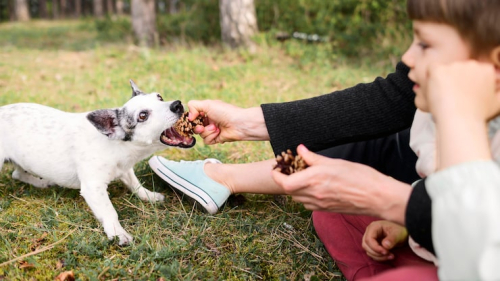
In busy households across neighborhoods like the Mission District, Potrero Hill, and Bernal Heights, pet parents juggle work, family schedules, and the constant pull of urban life. A dog that responds quickly to simple commands can turn everyday moments into smoother routines think a polite sit at a café, a relaxed walk through the Dogpatch without lunging at every squirrel, or calm behavior during a visit to the Castro District. Reward-based training stands out as one of the most reliable ways to achieve exactly that speed and enthusiasm. It leverages how dogs naturally learn through consequences that feel good to them, creating habits that stick without frustration for either side.
Dogs are highly motivated by consequences that feel good to them, which is why reward-based training stands out as one of the most reliable approaches for building new skills quickly and enjoyably. When a dog receives something they value immediately after performing a desired behavior, such as a high-value treat, praise, or play, that behavior becomes more likely to repeat in the future. This principle applies across basic commands like sit or down as well as more complex tasks such as loose-leash walking or coming when called. Choosing the right reward matters greatly because what excites one dog might bore another; creating a personalized hierarchy of rewards helps trainers match the incentive to the challenge level. For instance, everyday kibble might suffice for simple behaviors in low-distraction settings, while a favorite toy or game becomes essential for tougher scenarios involving distractions.
High rates of reinforcement early on keep the dog engaged and competing successfully against environmental temptations like interesting smells or other dogs. Precise timing and placement of rewards further accelerate learning by clearly communicating exactly which action earned the payoff, preventing confusion that could slow progress. Over time, this method not only speeds up skill acquisition but also fosters enthusiasm for training sessions, turning learning into a collaborative game rather than a chore. For dog owners seeking faster results without frustration, focusing on positive consequences builds confidence, strengthens the human-canine bond, and encourages dogs to actively offer behaviors in hopes of earning more good things. This approach aligns perfectly with how dogs naturally learn through trial and error, making it especially effective for puppies and adolescent dogs who are still forming habits.
Your dog’s daily struggles pulling, mealtime anxiety, or reactivity don’t just cause stress, they chip away at the joy of being together. At Prime Paw, our positive reinforcement-based programs meet your dog where they are and build confidence, connection, and real skills. Our tailored programs in-person classes, coaching, and online resources help you enjoy calmer walks, relaxed routines, and a deeper connection. Ready for lasting change? Schedule a Prime Paw consultation today!
The Core Principle Behind Reward-based Training
Dogs are highly motivated by consequences that feel good to them. When they receive something they value immediately after performing a desired behavior such as a high-value treat, praise, or play that behavior becomes far more likely to repeat in the future. This principle applies across basic commands like sit or down as well as more complex tasks such as loose-leash walking or coming when called. The approach works because it mirrors how dogs naturally learn through trial and error, turning what could feel like a chore into a collaborative experience.
Choosing the right reward matters greatly because what excites one dog might bore another. Creating a personalized hierarchy of rewards helps match the incentive to the challenge level. Everyday kibble might suffice for simple behaviors in low-distraction settings, while a favorite toy or game becomes essential for tougher scenarios involving distractions. High rates of reinforcement early on keep the dog engaged and competing successfully against environmental temptations like interesting smells or other dogs. Precise timing and placement of rewards further accelerate learning by clearly communicating exactly which action earned the payoff, preventing confusion that could slow progress.
Why This Method Builds Lasting Success
Over time, reward-based training not only speeds up skill acquisition but also fosters enthusiasm for training sessions. It strengthens the human-canine bond and encourages dogs to actively offer behaviors in hopes of earning more good things. For San Francisco dog owners balancing long workdays and weekend adventures, this translates into faster results without the frustration that can come from older methods.
Positive Reinforcement: the Cornerstone of Modern Training
Positive reinforcement has become a cornerstone of modern dog training because it effectively uses rewards like treats or play to encourage desired behaviors, leading to clearer communication and faster progress. Trainers recommend seeing good actions and immediately marking them with something the dog loves, helping the animal understand precisely what earns the payoff. This method proves particularly useful for addressing common issues such as excessive barking or fear responses by pairing potentially stressful situations with positive experiences, gradually building comfort and confidence.
For example, rewarding a dog for looking at children or remaining quiet at the door creates new, helpful associations that replace reactive patterns. Experts note that positive reinforcement supports realistic goal-setting by focusing on what the individual dog can achieve given their age, breed tendencies, and environment, rather than forcing uniform results through force. It integrates easily into daily routines, requiring just a few minutes here and there, which makes consistent practice feasible even for busy households.
Dogs trained this way often show greater enthusiasm for learning and stronger bonds with their people because training feels cooperative and fun instead of confrontational. The approach also minimizes stress, allowing dogs to stay engaged and process information more effectively during sessions. For new puppy owners or those refining manners in adult dogs, starting with positive reinforcement lays a solid foundation for lifelong good behavior while avoiding the setbacks that can come from confusion or fear.
Practical Tips for Effective Reward Timing and Placement
Timing the distribution of rewards is critical for success. If you take too long to deliver the treat, your dog can become confused about what exactly they are being rewarded for. A common mistake during house training is offering the dog a treat after coming inside the house rather than after going outside. Make sure you deliver rewards as quickly as possible after the desired behavior occurs.
With practice, using a marker like a whistle or a clicker when you train can give incredible precision with timing. You can use your marker at the exact moment your dog is doing what you want to reinforce. Because every click or whistle is followed by a reward, your dog will know exactly why they are being rewarded. This technique turns every training moment into a clear lesson.
Placement of rewards matters just as much as timing. Just as slow treat delivery can cause confusion, so can poor reward placement. In other words, what is your dog doing when you give them their treat? If you’re training a stationary position like “sit,” your dog should get their reward while they are sitting. If they must get up to get their treat, how will they know if the treat is for sitting or for walking?
When working with your dog at a distance, such as when teaching them to go to their place, find ways to reward them while they’re still on the bed. Toss them a treat or use a remote-controlled treat dispenser. It takes practice and planning to deliver treats quickly and accurately in the right location, but it pays off in faster learning for your dog.
Choosing the Right Rewards for Your Dog
You might think dog biscuits are the best treat. But if your dog finds them boring, you won’t be reinforcing anything by using them in your training. Make sure you choose something truly rewarding from your dog’s point of view. Rewards can even be praise, a toy, or a chance to play a game. Anything your dog loves makes a great reinforcement.
The wrong choice of reward can hurt your training. If your dog dislikes something, it will decrease the desire to repeat a behavior. For example, “rewarding” your dog with a pat on the top of their head might seem like a good idea, but most dogs don’t enjoy that kind of touch. If your dog dislikes head pats, you’ll actually decrease their obedience in the future because they’ll associate doing what you ask with something negative.
Make a list of all the things your dog enjoys, then rank the items from most exciting to least. If your dog’s favorite thing is chasing a ball, put that on top. If your dog is treat-driven and kibble is only exciting at mealtime, kibble will go at the bottom of the list of possible treat rewards. Now you have your dog’s hierarchy of rewards. The tougher the training challenge, the higher-ranked the reward should be. In other words, use the kibble when you can get away with it, and save that ball for difficult tasks.
Mastering Rate of Reinforcement in Distractions
An environment can provide its own training rewards for dogs, like interesting smells, the sight of other animals, or the chance to greet another person. That means the rewards you offer are always in competition with “rewards” out in the world. Until your dog masters working around distractions, your rate of reinforcement how often you give rewards should be frequent enough to make you and the training session more exciting than the environment. If not, the wrong behavior can be reinforced by rewards that are out of your control.
A common example is teaching your dog to “heel.” Sights, sounds, smells, and even garbage on the sidewalk can all reinforce walking at the end of the leash instead of at your side. You need to be sure you’re rewarding your dog often enough to compete with these distractions. In the beginning, one treat every 15 steps won’t make an impact. However, one treat for every step should keep your dog interested in walking beside you.
Creating a personalized hierarchy of rewards helps trainers match the incentive to the challenge level. For instance, everyday kibble might suffice for simple behaviors in low-distraction settings, while a favorite toy or game becomes essential for tougher scenarios involving distractions. High rates of reinforcement early on keep the dog engaged and competing successfully against environmental temptations like interesting smells or other dogs.
Real-world Impact on Daily Life in San Francisco
For dog owners in the Mission District, Potrero Hill, SoMa, Dogpatch, Bernal Heights, Castro District, and Noe Valley, reward-based training delivers measurable improvements in daily routines. A dog that learns to walk politely without pulling can make weekend hikes through Golden Gate Park or casual strolls through the Castro District far more pleasant for everyone. When puppies or adolescent dogs receive consistent positive feedback, they form habits that last a lifetime, turning potential chaos into calm, confident companions.
This method also supports the strong human-canine bond that many San Francisco pet families prize. Training feels like a game rather than a chore, encouraging dogs to offer behaviors willingly. The result is faster progress on behaviors like loose-leash walking, come-when-called, or simply waiting calmly at the door skills that reduce stress for busy households across the city.
Building a Stronger Bond Through Positive Consequences
Reward-based training does more than speed up learning. It builds confidence, strengthens the human-canine bond, and encourages dogs to actively offer behaviors in hopes of earning more good things. This approach aligns perfectly with how dogs naturally learn through trial and error, making it especially effective for puppies and adolescent dogs who are still forming habits.
By focusing on positive consequences, owners create meaningful, lasting change through encouragement and clear feedback. Training sessions become opportunities to connect rather than points of conflict. The enthusiasm that develops often spills over into everyday interactions, making life with your dog smoother and more enjoyable for everyone involved.
In the end, when your dog learns quickly through rewards that feel good, everyone wins. The bond deepens, daily routines run more smoothly, and your furry companion gains the skills to thrive in any San Francisco neighborhood.
Frequently Asked Questions
What is reward-based dog training and how does it work?
Reward-based dog training is a positive reinforcement method that teaches dogs desired behaviors by immediately rewarding them with treats, praise, or play. When a dog performs the correct action and receives something they value, they are more likely to repeat that behavior in the future. This approach aligns with how dogs naturally learn through trial and error, making training faster and more enjoyable.
How does positive reinforcement help dogs learn commands faster?
Positive reinforcement speeds up learning by clearly communicating to the dog which specific behavior is being rewarded. Immediate rewards, often paired with markers like a clicker or whistle, reduce confusion and strengthen the association between action and outcome. This clarity helps dogs stay engaged and builds confidence, leading to quicker mastery of commands like sit, stay, and loose-leash walking.
What are the best rewards and timing techniques for effective dog training?
The best rewards depend on the individual dog, ranging from treats and kibble to toys or play, ranked in a personal reward hierarchy. Timing is critical, as rewards must be given immediately after the desired behavior to avoid confusion. Using a marker signal and delivering rewards in the correct position further improves clarity and accelerates learning, especially in distracting environments.
Disclaimer: The above helpful resources content contains personal opinions and experiences. The information provided is for general knowledge and does not constitute professional advice.
You may also be interested in: Dog Training in 2026 Focuses on Trust and Joyful Learning
Your dog’s daily struggles pulling, mealtime anxiety, or reactivity don’t just cause stress, they chip away at the joy of being together. At Prime Paw, our positive reinforcement-based programs meet your dog where they are and build confidence, connection, and real skills. Our tailored programs in-person classes, coaching, and online resources help you enjoy calmer walks, relaxed routines, and a deeper connection. Ready for lasting change? Schedule a Prime Paw consultation today!
Powered by flareAI.co