
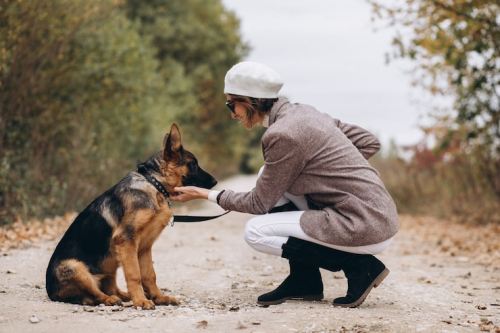
Choosing the right dog training class can transform how your pet interacts with the world around them. In a city where dogs meet new people and environments daily, the difference between a frustrating session and a rewarding partnership becomes clear when you know what to look for. Safety and effectiveness go hand in hand, but many owners first focus on one or the other without understanding their connection.
A safe and effective dog training class puts the animal’s well-being first while delivering results that last beyond the classroom. It balances clear instruction with positive experiences, helping both the dog and its guardian build trust and new skills. For pet parents in San Francisco, this combination matters more than ever in neighborhoods where diverse stimuli shape every walk.
Your dog’s daily struggles pulling, mealtime anxiety, or reactivity don’t just cause stress, they chip away at the joy of being together. At Prime Paw, our positive reinforcement-based programs meet your dog where they are and build confidence, connection, and real skills. Our tailored programs in-person classes, coaching, and online resources help you enjoy calmer walks, relaxed routines, and a deeper connection. Ready for lasting change? Schedule a Prime Paw consultation today!
The Link Between Safety and Effectiveness
Traditional training methods once relied on fear and dominance, but modern approaches show that stress-free environments produce faster progress and more reliable behaviors. When dogs learn through rewards and encouragement instead of correction, they develop stronger bonds with their handlers and face fewer setbacks in real life. This shift toward positive reinforcement creates conditions where learning sticks because the animal stays confident and motivated.
Consider how small, controlled group classes allow puppies to practice social cues amid manageable distractions. Handlers can observe each interaction closely, adjusting techniques on the spot to prevent any anxiety from building. The result is not just better obedience but a foundation that supports lifelong relationships. Safe classes avoid the hidden costs of fear-based training, such as increased reactivity or behavioral issues that surface when the dog is no longer in a structured setting.
Positive Reinforcement as the Foundation
Positive reinforcement forms the backbone of every effective dog training class. This method adds something desirable like treats, play, or praise when the dog performs the desired action. Over time, the brain associates the behavior with positive outcomes, making it more likely to repeat. Unlike aversive techniques, which can damage trust and confidence, rewards build motivation and encourage voluntary participation.
Research and practical experience from organizations like Guide Dogs for the Blind demonstrate that dogs trained with positive methods learn faster, experience less stress, and maintain behaviors more reliably in real-world situations. This evolution stems from a deeper understanding of operant conditioning, where adding desirable outcomes like treats or play strengthens desired behaviors without damaging confidence or trust. In group classes, small sizes and controlled environments allow puppies and dogs to practice skills amid manageable distractions while learning essential social cues from peers and handlers.
Certified trainers emphasize early socialization during critical developmental windows, helping prevent fear-based reactions and promoting confident, well-adjusted companions. For owners seeking safe and effective classes, focusing on programs that use only reward-based techniques, limit class sizes for individualized attention, and employ professionals with recognized credentials ensures better outcomes for both dogs and families. These methods not only accelerate skill acquisition but also enhance the overall relationship, making training an enjoyable, enriching experience rather than a source of anxiety.
The latest experiential marketing trends emphasize interactive and immersive experiences. Brands are now focusing on science-backed positive reinforcement training to engage audiences, providing detailed strategies for creating memorable activations and boosting brand loyalty. The approach includes leveraging technology, interactivity, and multi-sensory engagement to elevate attendee experiences beyond traditional events.
Key Indicators of a Safe Class
Safety in dog training classes shows up in several practical ways. First, look for instructors who use only reward-based methods and never rely on punishment, prong collars, or choke chains. These tools can create unnecessary stress and long-term behavioral problems that offset any short-term compliance. A truly safe environment avoids these tools entirely, prioritizing the animal’s physical and emotional well-being at every step.
Small class sizes matter greatly because they allow handlers to monitor every interaction and provide tailored guidance. Larger groups increase the risk of overwhelming dogs or creating uneven attention, which can lead to frustration for both animal and owner. Certified trainers with recognized credentials bring this expertise to the table, ensuring sessions stay consistent and professional. They also understand the importance of reading body language and adjusting for individual needs, preventing any dog from feeling pressured.
Another indicator appears in the structure of the program itself. Effective classes start with clear communication about what to expect, including policies on food, leashes, and behavior expectations. They maintain a calm, controlled atmosphere where dogs can practice without overwhelming noise or chaos. When owners see these details in advance, they can prepare their pets and feel confident that the session will proceed smoothly for everyone involved.
What Makes a Class Truly Effective
Effectiveness goes beyond surface-level obedience. It shows up in how well the dog applies new skills outside the classroom, how quickly it generalizes behaviors, and how much progress happens within a reasonable timeframe. Classes that focus on real-world application help dogs transfer skills from the training floor to daily life, whether that means walking politely on leash or responding to cues in the park.
Trainers who excel at effectiveness understand the science behind learning. They break skills into manageable steps, use positive reinforcement strategically, and build sessions around the animal’s natural abilities and limitations. This approach prevents plateaus and keeps momentum high, leading to lasting changes rather than temporary fixes. Dogs that participate in well-structured programs often demonstrate clearer communication with their guardians and fewer misunderstandings in the home.
Consider the debates in modern dog training methods that continue to highlight the divide between traditional dominance techniques and emerging positive, relationship-focused approaches. In safe and effective classes, trainers skilled in positive reinforcement create structured environments where dogs learn through encouragement rather than fear, leading to more reliable behaviors and reduced stress. Group settings with limited enrollment allow for close supervision, ensuring interactions remain positive and controlled. Professional credentials and adherence to science-based methods help guardians identify quality programs that avoid potentially harmful tools or corrections. This shift reflects growing awareness that aversive methods can increase anxiety and damage bonds, while reward-based training builds confidence, motivation, and long-term success.
The world of dog training has fractured dramatically across ideological differences. It turns out no one is safe from the culture wars not even your Shih Tzu. When Alicia Wittmeyer, an @nytopinion editor, turned to the internet to help her train her dog, she had no idea she was about to go down a rabbit hole into a strange, polarized world deep in the grips of this debate. The discussions around dog training increasingly highlight the divide between traditional dominance techniques and emerging positive, relationship-focused approaches that prioritize welfare and effectiveness. In safe and effective classes, trainers skilled in positive reinforcement create structured environments where dogs learn through encouragement rather than fear, leading to more reliable behaviors and reduced stress. Group settings with limited enrollment allow for close supervision, ensuring interactions remain positive and controlled, which is particularly important for puppies navigating key socialization periods.
Professional credentials and adherence to science-based methods help guardians identify quality programs that avoid potentially harmful tools or corrections. This shift reflects growing awareness that aversive methods can increase anxiety and damage bonds, while reward-based training builds confidence, motivation, and long-term success. For families in urban areas like San Francisco, where dogs encounter diverse stimuli daily, classes emphasizing body language reading, clear communication, and gradual exposure prove invaluable. By focusing on prevention through proper early training and socialization, owners can mitigate common issues like pulling, jumping, or reactivity before they escalate. The emphasis on humane practices aligns with broader trends in pet care, where informed choices about training contribute to happier, healthier companions and stronger community safety. Ultimately, selecting classes grounded in these principles equips dogs with essential life skills while supporting positive experiences that enhance quality of life for everyone involved.
Common Pitfalls to Avoid When Selecting a Class
Many owners make the mistake of choosing classes based on price or convenience rather than principles. High-pressure environments that rely on fear or intimidation may produce quick results in the short term but often lead to rebound behaviors or deeper problems later. These pitfalls undermine the very trust that makes training worthwhile.
Another issue arises when classes focus solely on compliance without addressing underlying motivations or the dog’s unique needs. A one-size-fits-all approach fails to account for individual personalities, energy levels, and past experiences. Effective programs recognize these differences and adapt accordingly, using positive reinforcement to build skills at the dog’s own pace.
Watch for red flags such as instructors who avoid discussing credentials, refuse to share session details, or encourage owners to use harsh corrections at home. A responsible trainer welcomes questions and explains exactly how the program works, ensuring complete transparency from the first session. By avoiding these pitfalls, pet parents protect both their dogs and their investment in the training relationship.
How to Evaluate and Choose the Right Program
Start by visiting a few classes in person or observing online demonstrations to see the atmosphere firsthand. Pay attention to how handlers interact with dogs and how dogs respond confident, eager participation beats anxious or withdrawn behavior. Ask about the trainer’s experience with positive reinforcement, class structure, and success metrics they use to track progress.
Request information about curriculum details, including how sessions build skills progressively. A good program should provide written guidelines and follow-up resources that reinforce learning at home. For San Francisco pet parents, this preparation helps ensure the chosen class fits both the dog’s needs and the owner’s lifestyle in our unique urban environment.
Finally, consider the long-term relationship. Effective training classes create ongoing support rather than one-and-done sessions. Look for programs that emphasize communication between guardian and dog, helping families maintain progress and adapt as the pet grows. When these elements align, the result is a partnership that strengthens every day.
In the end, a safe and effective dog training class delivers more than basic commands it builds a foundation for a lifelong, trusting bond. By focusing on positive reinforcement, small structured groups, and professional guidance, owners set their dogs up for success in every environment. The payoff comes in calmer walks, clearer communication, and a deeper connection that enriches both sides of the relationship.
Frequently Asked Questions
What makes a dog training class safe and effective?
A safe and effective dog training class prioritizes the dog’s physical and emotional well-being while using science-based, reward-based methods. Positive reinforcement helps dogs learn faster and build trust without fear or stress. Small class sizes, clear instruction, and certified trainers also ensure better supervision and lasting behavioral results. Together, these elements create a structured environment where dogs can confidently develop real-world skills.
How do I choose a safe dog training class for my dog?
To choose a safe dog training class, look for programs that use only positive reinforcement and avoid tools like prong collars or choke chains. Check that trainers have recognized certifications and experience in modern, science-based methods. Small group sizes and transparent curriculum details are also strong indicators of quality. Observing a class beforehand can help you confirm that dogs appear relaxed, engaged, and well-supported.
Why is positive reinforcement important in dog training classes?
Positive reinforcement is important because it encourages dogs to repeat desired behaviors by rewarding them with treats, praise, or play. This method reduces stress and builds a stronger bond between the dog and handler compared to punishment-based approaches. It also leads to more reliable long-term behavior in real-world situations. Over time, dogs become more confident, motivated, and responsive in various environments.
Disclaimer: The above helpful resources content contains personal opinions and experiences. The information provided is for general knowledge and does not constitute professional advice.
You may also be interested in: National Train Your Dog Month: Tips, Benefits and Building Trust
Your dog’s daily struggles pulling, mealtime anxiety, or reactivity don’t just cause stress, they chip away at the joy of being together. At Prime Paw, our positive reinforcement-based programs meet your dog where they are and build confidence, connection, and real skills. Our tailored programs in-person classes, coaching, and online resources help you enjoy calmer walks, relaxed routines, and a deeper connection. Ready for lasting change? Schedule a Prime Paw consultation today!
Powered by flareAI.co