
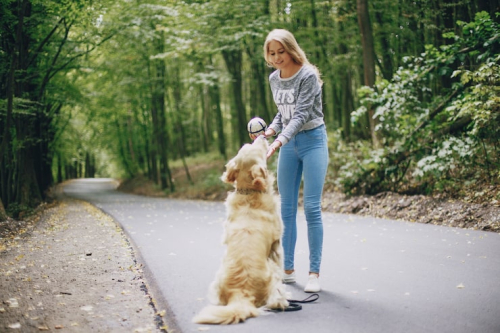
Dog walks are often imagined as simple daily routines, but for many owners they become the most challenging part of the day. Pulling on the leash, sudden reactions to passing dogs, constant distractions, or inconsistent behavior can turn a short walk into a stressful experience. Yet the walk itself is one of the most powerful opportunities to shape behavior, build trust, and strengthen communication between people and their dogs. When approached with structure and intention, it becomes less about control and more about collaboration.
In dense urban environments like Mission District, SoMa, and surrounding neighborhoods, walks come with added complexity constant sensory input, tight sidewalks, noise, and frequent encounters with other dogs and people. Understanding how to navigate these environments is key to learning how to walk dog better and making daily outings more predictable and enjoyable.
Your dog’s daily struggles pulling, mealtime anxiety, or reactivity don’t just cause stress, they chip away at the joy of being together. At Prime Paw, our positive reinforcement-based programs meet your dog where they are and build confidence, connection, and real skills. Our tailored programs in-person classes, coaching, and online resources help you enjoy calmer walks, relaxed routines, and a deeper connection. Ready for lasting change? Schedule a Prime Paw consultation today!
Why Dog Walks Break Down in Real-world Environments
Most leash issues don’t start on the leash they start in the environment and the dog’s emotional response to it. Dogs are naturally driven by curiosity, scent exploration, and social awareness. When every walk presents unpredictable stimuli, it can quickly lead to overexcitement or stress behaviors like pulling, barking, or freezing.
In neighborhoods such as Dogpatch and Potrero Hill, where open spaces meet busy intersections, dogs are constantly shifting between calm and high-stimulation environments. Without clear guidance, that transition becomes confusing, and leash behavior tends to deteriorate.
Behavioral consistency matters more than intensity. A dog that pulls isn’t being “bad” it is often responding to reinforcement history. If pulling has previously resulted in forward movement or access to interesting smells, the behavior becomes self-rewarding. The goal of structured walking is to break that pattern and replace it with clearer communication and predictability.
The Role of Equipment in Better Walk Behavior
While training is essential, equipment plays a significant role in setting the foundation for success. The right gear doesn’t “fix” behavior, but it reduces friction and creates clearer feedback between handler and dog.
According to leash walking guidance, switching to properly fitted gear such as a front-clip harness can help redistribute pressure and reduce pulling behavior, while double-handled leashes provide better control in unpredictable urban settings. This combination supports safer and more intentional movement during walks. Effective leash walking often starts with the right equipment and a focus on addressing underlying causes like insecurity or environmental changes rather than just managing symptoms of pulling. Switching to a properly fitted harness, particularly one with a front clip, can significantly reduce pulling by redistributing pressure and aiding redirection, while avoiding strain on the neck that collars might cause. A sturdy double-handled leash adds security and control, especially useful in urban settings or with reactive dogs, allowing handlers to keep their companion close during training moments without discomfort. Creating predictable routines, such as consistent pre-walk rituals or designated safe spaces like crates for decompression, helps dogs feel more secure and less overwhelmed by novel stimuli.
Using food rewards strategically during walks to reinforce focus commands like “look” or “stay” builds engagement and turns outings into collaborative learning experiences. These strategies prove particularly valuable after life transitions, such as moves, where dogs may exhibit heightened anxiety that manifests on leash. Patience combined with positive reinforcement leads to noticeable improvements in calmness and cooperation, making walks more pleasurable for everyone involved. Regular practice in real-world scenarios strengthens the handler-dog partnership, improving communication and reducing frustration over time. For many dogs, the combination of appropriate gear and thoughtful training transforms difficult walks into harmonious adventures that support physical exercise, mental stimulation, and emotional connection.
The same approach is especially useful in high-traffic residential zones like Bernal Heights and Noe Valley, where sudden encounters with other dogs or pedestrians are common. Equipment that increases responsiveness allows handlers to guide their dogs through these moments without escalating tension.
Importantly, gear alone is not a solution. It works best when paired with consistent reinforcement and clear expectations. The goal is not restraint, but communication helping the dog understand what behavior leads to continued progress on the walk.
Loose Leash Walking Training and Positive Reinforcement
One of the most effective frameworks for improving leash behavior is positive reinforcement leash training. Instead of punishing pulling or unwanted behavior, this method rewards moments of calm walking, attention, and responsiveness.
The principle behind loose leash walking training is simple: forward movement happens when the leash is relaxed. When tension appears, movement pauses or redirects. Over time, the dog learns that staying close and attentive is the most reliable way to continue the walk.
Training sessions don’t need to be long. In fact, short, consistent practice during daily walks is more effective than isolated training exercises. Marking good behavior with food rewards or verbal praise builds engagement and keeps the dog mentally involved in the process.
Consistency is especially important in busy districts like Castro District, where distractions can change from block to block. Dogs that learn structured expectations become more resilient to environmental variation and less likely to default to pulling or reactive behavior.
Managing Distractions and Reactive Dog Walks
Distraction management is often the difference between a chaotic walk and a controlled one. Dogs experiencing overstimulation may react by lunging, barking, or freezing. These behaviors are not random they are communication responses to environmental pressure.
Reactive dog walks require a combination of distance management, redirection, and emotional regulation. Increasing space from triggers often helps reduce intensity, allowing the dog to remain below threshold. Once calm, reinforcement can be used to reward attention and focus.
Urban environments like San Francisco’s mixed residential and commercial zones create frequent opportunities for these challenges. Rather than avoiding them entirely, structured exposure helps dogs gradually build tolerance and confidence over time.
Handlers who learn to recognize early signs of stress such as stiff posture, fixed gaze, or increased pacing can intervene before behavior escalates. This proactive approach prevents escalation and supports more successful outings.
Why Daily Walks Matter Beyond Exercise
Walks are not just physical activity they are essential cognitive and emotional experiences for dogs. A consistent walking routine provides sensory stimulation that cannot be replicated indoors, helping to reduce boredom-related behaviors and improve overall well-being.
Research on daily walking benefits highlights that regular walks offer mental stimulation through exposure to new scents, environments, and social interactions. This variety helps support emotional balance and reduces stress-related behaviors at home. Consistent daily walks provide far more than just physical exercise for dogs; they serve as essential mental stimulation that prevents boredom and behavioral issues that can arise from repetitive backyard time alone. Dogs thrive on the variety of scents, sights, and sounds encountered during walks, which engage their powerful sense of smell and natural curiosity in ways that a familiar yard simply cannot replicate. This exploration helps satisfy their instincts, reduces anxiety, and promotes overall emotional well-being, leading to calmer, happier companions at home. For guardians, committing to regular walks strengthens the bond through shared experiences and positive interactions, turning what might feel like a chore into quality time that reinforces training and communication.
In urban environments especially, walks expose dogs to new stimuli in a controlled way, building confidence and resilience over time. Skipping walks regularly can contribute to weight gain, pent-up energy manifesting as destructive behaviors or excessive barking, and even joint stiffness from lack of movement. By prioritizing structured outings, even short ones on busy days, owners can support their dog’s physical health through cardiovascular benefits and muscle maintenance while addressing mental needs that keep them engaged with the world. This approach aligns perfectly with positive reinforcement training methods, where walks become opportunities to practice loose-leash skills, focus exercises, and reward calm behavior amid distractions. Over time, these habits lead to more enjoyable outings for both dog and human, fostering a deeper partnership and reducing common walking frustrations. Whether in a bustling city or quieter neighborhood, making walks a non-negotiable part of the routine pays dividends in a dog’s quality of life and the strength of the human-canine relationship.
In areas like SoMa, where urban density increases sensory input, walks become even more important as structured decompression time. Dogs that lack consistent walks may develop pent-up energy, which often appears as destructive behavior or excessive vocalization indoors.
Beyond behavior, walks also strengthen the human-dog relationship. Shared routines build trust, improve communication, and create predictable structure that dogs naturally respond to. Over time, this consistency leads to calmer and more engaged walking behavior.
Building a Reliable Walking Routine
A successful walking routine is built on repetition, clarity, and patience. Dogs thrive when they understand what is expected of them, and predictable structure helps reduce uncertainty during outings.
Start with simple pre-walk rituals. This might include calm leash attachment, a brief pause at the door, and a clear release cue before exiting. These small patterns signal transition and help regulate excitement levels before the walk begins.
During the walk, reinforce calm behavior frequently, especially in the early stages of training. Short success cycles where the dog is rewarded for maintaining a loose leash for even brief moments create strong learning patterns over time.
In neighborhoods like Castro District and Bernal Heights, where environmental distractions vary widely, consistency becomes the anchor that keeps training stable.
Putting It All Together: a Practical Walking System
Improving dog walks is not about a single technique it is about combining structure, communication, and environmental awareness into a repeatable system. The most successful approach blends appropriate equipment, reinforcement-based training, and a clear understanding of the dog’s emotional state.
Begin each walk with intention. Use equipment that supports control without discomfort. Reinforce calm behavior continuously. Adjust distance from distractions rather than forcing confrontation. Over time, these small adjustments compound into significant behavioral change.
Owners who consistently apply these principles often find that walks shift from reactive management to proactive engagement. The leash becomes less of a restraint and more of a communication tool, guiding shared movement rather than controlling it.
For dog owners working through leash pulling solutions or seeking more effective dog walking training tips, the path forward is not about perfection it is about consistency, awareness, and reinforcing the behaviors that make walks enjoyable for both ends of the leash.
When structured properly, even the busiest urban environment can become a place of learning, exploration, and connection. And that is ultimately what a walk should be: not just exercise, but a shared experience that strengthens the bond between human and dog.
Frequently Asked Questions
How do I stop my dog from pulling on the leash during walks?
Stopping leash pulling starts with teaching loose leash walking through consistent reinforcement. Instead of allowing forward movement when the leash is tight, pause or redirect until the leash relaxes. Reward calm walking and attention so your dog learns that staying close is what keeps the walk going. Over time, this creates a clearer communication system and reduces pulling behavior naturally.
What is the best equipment for training a dog to walk on a loose leash?
The most effective equipment supports communication rather than controlling behavior on its own. A properly fitted front-clip harness can help reduce pulling by redirecting forward motion, while a double-handled leash offers better control in high-distraction environments. However, gear alone is not enough and works best when paired with consistent positive reinforcement training. The goal is to make calm walking easier for both dog and handler.
How can I handle a reactive dog on walks in busy urban areas?
Managing a reactive dog in urban environments involves careful distance control and awareness of triggers. Increasing space from distractions helps keep your dog below their stress threshold so they can stay calm and responsive. Once calm, you can redirect attention and reward focus to reinforce better behavior. Gradual, structured exposure over time helps build confidence and reduces reactivity on future walks.
Disclaimer: The above helpful resources content contains personal opinions and experiences. The information provided is for general knowledge and does not constitute professional advice.
You may also be interested in: Dog Training San Francisco | PrimePaw | 4.9 Positive R
Your dog’s daily struggles pulling, mealtime anxiety, or reactivity don’t just cause stress, they chip away at the joy of being together. At Prime Paw, our positive reinforcement-based programs meet your dog where they are and build confidence, connection, and real skills. Our tailored programs in-person classes, coaching, and online resources help you enjoy calmer walks, relaxed routines, and a deeper connection. Ready for lasting change? Schedule a Prime Paw consultation today!
Powered by flareAI.co