
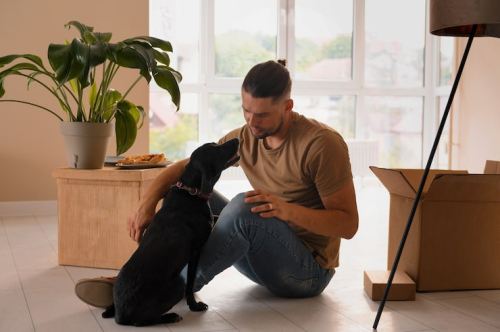
Bringing a new dog into the home is a meaningful transition that reshapes daily routines, expectations, and the emotional rhythm of the household. Whether the dog is a young puppy or a recently adopted adult, the early days are often marked by uncertainty as the animal adjusts to unfamiliar sounds, spaces, and people. Creating a calm, structured environment from the outset can significantly influence how quickly a dog begins to feel secure and settled, laying the groundwork for long-term behavior stability and trust.
Your dog’s daily struggles pulling, mealtime anxiety, or reactivity don’t just cause stress, they chip away at the joy of being together. At Prime Paw, our positive reinforcement-based programs meet your dog where they are and build confidence, connection, and real skills. Our tailored programs in-person classes, coaching, and online resources help you enjoy calmer walks, relaxed routines, and a deeper connection. Ready for lasting change? Schedule a Prime Paw consultation today!
Understanding the Adjustment Period for a New Dog
One of the most important realities for new dog owners is that settling in takes time. Dogs do not immediately reveal their full personality when introduced to a new environment. Behavioral patterns, comfort levels, and even sociability often evolve over weeks or months as the dog learns what is safe and predictable.
Bringing a new dog home requires patience and a realistic understanding of the adjustment timeline, as emphasized in guidance on settling and training new dogs. The transition period is not immediate, especially for adult dogs, who may take up to three months to fully reveal consistent behavior patterns. Rather than rushing into intensive obedience work, early efforts should focus on building safety cues such as “sit” and recall, alongside short daily training sessions of around 10 to 15 minutes. This gradual approach helps prevent overwhelm, supports emotional regulation, and allows dogs to learn through calm, repeatable interactions. Social exposure should also be managed carefully, ensuring that new experiences with people, sounds, and environments are introduced at a comfortable pace. Overall, this perspective reinforces the importance of managing expectations and prioritizing structured, low-pressure learning during the early settling phase.
This adjustment window is not a delay in training it is a foundational phase where emotional security is established. Dogs that feel safe in their environment are far more receptive to learning, responding, and bonding with their owners.
Preparing the Home for a Calm and Secure Transition
A dog’s environment plays a critical role in how quickly they settle. Before arrival, preparing the home with essential supplies and designated spaces helps reduce confusion and anxiety during the first days. A structured setup also prevents owners from reacting to problems in real time, allowing more focus on interaction and bonding.
Effective preparation for a new dog involves setting up both physical resources and environmental structure in advance, as outlined in practical guidance from a new dog preparation checklist. Essential items such as a sturdy crate, comfortable bedding, food and water bowls, a leash and harness, and baby gates help create a controlled and safe environment from the first day. Equally important is establishing a designated quiet space where the dog can retreat when feeling overwhelmed, which is especially beneficial for anxious or sensitive dogs. Preparing additional supplies like grooming tools, waste bags, and enrichment toys ahead of time ensures that owners can focus on consistency and bonding rather than reacting to missing necessities. This level of preparation supports smoother integration into the household, reduces early stress, and helps establish predictable routines that contribute to faster emotional adjustment.
Guidance from a new dog preparation checklist emphasizes that setting up a designated quiet area can be particularly helpful for anxious dogs. This space allows them to retreat when overwhelmed, helping them regulate stress and gradually build confidence in their surroundings.
Beyond physical items, preparation also includes anticipating routine needs such as grooming tools, enrichment toys, and waste management supplies. When these are available from day one, the household can focus on consistency rather than last-minute problem-solving, which contributes to a more stable environment for the dog.
Building Structure Through Daily Routine
Routine is one of the most effective tools for helping a dog feel secure. Predictable patterns for feeding, walks, play, and rest establish a sense of order that reduces anxiety and supports faster adjustment. Dogs naturally look for consistency in their environment, and when they find it, they are more likely to relax and engage positively.
In the early stages, routines do not need to be complex. Simple repetition of daily activities at similar times helps the dog anticipate what comes next. Over time, this predictability reduces uncertainty-driven behaviors such as restlessness, pacing, or vocalization.
Consistency also benefits owners, as it creates a framework for interpreting behavior changes. When a routine is stable, deviations in behavior become easier to identify and address early, rather than escalating into long-term habits.
Crate Training and Creating Safe Spaces
A well-introduced crate can serve as one of the most effective tools for helping a dog settle into a new home. When used correctly, it functions as a secure space rather than a form of confinement. Dogs often respond positively to enclosed environments when they are introduced gradually and associated with calm experiences.
The crate should be positioned in a quiet area of the home where the dog can observe household activity without being overwhelmed. Soft bedding and familiar scents can help make the space more inviting. Over time, many dogs begin to voluntarily use the crate as a resting place when they need downtime.
Safe spaces extend beyond crates. A designated corner or room where the dog can retreat without interruption reinforces the idea that rest is encouraged and respected. This becomes especially important in busy households where sensory stimulation may otherwise feel constant.
Calm Training Techniques That Support Early Learning
Training during the settling period should prioritize calmness and clarity rather than intensity. Short, focused sessions help dogs learn without becoming overstimulated or fatigued. Behavioral guidance on early training structure suggests that sessions of around 10 to 15 minutes are often ideal for maintaining attention while keeping the experience positive.
During this phase, foundational cues such as “sit” and recall commands are particularly valuable. These skills support safety and communication without overwhelming the dog with complex expectations. The goal is not perfection, but familiarity and confidence in responding to the owner’s signals.
Training should also be framed as a shared activity rather than a performance task. Positive reinforcement, patience, and repetition help reinforce desired behavior while strengthening the human-animal bond. Over time, these short sessions accumulate into strong behavioral foundations.
Managing Anxiety and Early Behavioral Challenges
It is common for dogs to display signs of anxiety when adjusting to a new environment. This may include restlessness, hesitation, clinginess, or sensitivity to sounds and movement. These behaviors are often temporary and tend to diminish as the dog becomes more familiar with household routines and expectations.
One of the most effective ways to reduce anxiety is through consistency. Predictable schedules, calm interactions, and controlled exposure to new stimuli help dogs gradually build resilience. Sudden changes or overly stimulating environments can delay this process and increase stress responses.
Another important factor is pacing. Introducing new experiences too quickly whether social interactions, environments, or training demands can overwhelm a dog that is still adjusting. A gradual approach allows confidence to build naturally without pressure.
For many owners, understanding that adjustment is a process rather than an immediate outcome helps shift expectations. This perspective reduces frustration and supports more patient, effective caregiving during the early weeks.
Supporting Long-term Confidence and Behavior Stability
As the dog begins to settle, the focus naturally shifts from basic adjustment to long-term development. At this stage, reinforcing positive behaviors, maintaining routines, and continuing structured training sessions all contribute to lasting stability.
Professional guidance, such as programs offered by PrimePaw, can help bridge the gap between early settling and advanced behavior training. Structured support ensures that foundational habits are reinforced correctly, reducing the likelihood of regressions or inconsistent behavior patterns as the dog becomes more comfortable in their environment.
Over time, the combination of structured routines, calm training, and a secure environment creates a stable foundation for a well-adjusted dog. This foundation not only improves behavior but also strengthens the relationship between dog and owner, making daily life more predictable, enjoyable, and rewarding for both.
Helping a dog settle at home is not a single action but a gradual process built on consistency, patience, and understanding. With the right approach, even anxious or uncertain dogs can learn to feel safe, confident, and fully integrated into their new home environment.
Frequently Asked Questions
How long does it take for a dog to settle into a new home?
Most dogs take several weeks to a few months to fully adjust to a new home environment. Adult dogs, in particular, may need up to three months before their behavior becomes consistent and their personality fully emerges. During this period, patience and a calm, structured routine are essential to help them feel secure and reduce stress.
What is the best daily routine to help a new dog settle at home?
A consistent daily routine for feeding, walks, playtime, and rest is one of the most effective ways to help a new dog settle. Predictable schedules reduce anxiety and help the dog understand what to expect throughout the day. Over time, this stability encourages calmer behavior and makes training and bonding easier.
How does crate training help a dog feel safe in a new home?
Crate training provides a secure, den-like space where a dog can retreat when feeling overwhelmed. When introduced gradually and associated with positive experiences, the crate becomes a comfort zone rather than confinement. This safe space helps reduce anxiety and supports a smoother adjustment to the new environment.
Disclaimer: The above helpful resources content contains personal opinions and experiences. The information provided is for general knowledge and does not constitute professional advice.
You may also be interested in: Positive Reinforcement Dog Training Guide
Your dog’s daily struggles pulling, mealtime anxiety, or reactivity don’t just cause stress, they chip away at the joy of being together. At Prime Paw, our positive reinforcement-based programs meet your dog where they are and build confidence, connection, and real skills. Our tailored programs in-person classes, coaching, and online resources help you enjoy calmer walks, relaxed routines, and a deeper connection. Ready for lasting change? Schedule a Prime Paw consultation today!
Powered by flareAI.co