
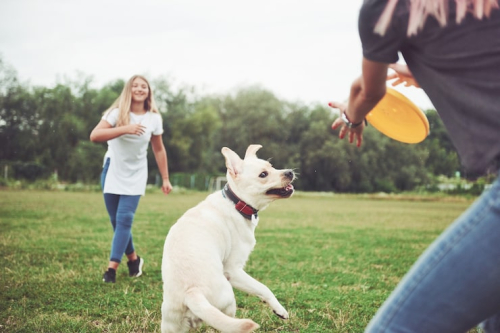
Training your dog doesn’t have to feel like a chore it can be one of the most rewarding and joyful parts of sharing life with your furry best friend. When training sessions become playful games instead of drills, dogs learn faster, trust their humans more, and even develop better focus and impulse control. The key is matching the activity to your dog’s personality and energy level while keeping things positive, safe, and genuinely fun.
Your dog’s daily struggles pulling, mealtime anxiety, or reactivity don’t just cause stress, they chip away at the joy of being together. At Prime Paw, our positive reinforcement-based programs meet your dog where they are and build confidence, connection, and real skills. Our tailored programs in-person classes, coaching, and online resources help you enjoy calmer walks, relaxed routines, and a deeper connection. Ready for lasting change? Schedule a Prime Paw consultation today!
Why Play-based Training Works So Well
Positive reinforcement is the foundation of effective dog training, and turning sessions into games taps directly into a dog’s natural instincts for exploration, problem-solving, and social interaction. A well-designed game keeps your dog mentally stimulated, reduces stress, and builds a stronger bond with you as the trainer. Studies from organizations like the American Kennel Club show that dogs who train through play are more eager to participate and retain new skills better than those in routine sessions.
Pro tip: Always end training on a positive note. Celebrate every small win with extra praise, a treat, or a high-five. This builds excitement and makes your dog look forward to the next session.
Simple Everyday Games That Turn Any Moment Into Training
Many of the most effective training games use items you already have around the house. For example, training games that blend learning with play include the wild sit where you build distractions slowly while your dog stays in a sit position and the get-in-the-box exercise that teaches body awareness through gentle shaping. These activities are low-cost, accessible, and perfect for busy families.
Loose-leash Walking Drills
Turn a normal walk into a focus challenge. Use a long line or just your voice and body language to keep your dog relaxed and attentive. Practice “loose leash” as a game: walk calmly, then suddenly stop and wait for your dog to sit or settle. Reward with treats and praise. After just a few sessions, your dog will associate calm walking with fun rewards instead of pulling.
Treat Countdown Magic
Scatter kibble or small treats across the floor while you count down from five. Your dog must stay calm and wait for the final “go” to eat. This builds impulse control and teaches your dog that good behavior pays off. It’s especially helpful during mealtime or when you want them to stay put at the door.
Hide-and-seek Recall Games
Hide a treat or toy in a room while you call your dog’s name from another room. The excitement of the game makes the recall automatic and joyful. Start simple with one hiding spot, then gradually increase the challenge. Group hide-and-seek with family members turns it into an even bigger party.
Enrichment Games That Spark Natural Instincts
Science-backed enrichment plays a huge role in keeping dogs happy and reducing unwanted behaviors like chewing or barking. The best activities let your dog use their powerful sense of smell, solve puzzles, and chase exactly what they were born to do.
Activities that tap into a dog’s natural behaviors like sniffing, scavenging, chewing, and problem-solving are key to preventing boredom and associated issues such as unwanted chewing or excessive vocalization. Food-based puzzles made from everyday items, including muffin tins with kibble covered by toys, nested boxes with hidden treats, or paper rolls stuffed and folded with rewards, turn meals into engaging hunts that satisfy instincts and slow consumption. Snuffle mats created from fleece or bath mats hide food in textures for prolonged nose work. Environmental enrichment includes indoor agility setups using furniture for weaving, jumping, or tunneling, and homemade flirt poles from PVC or broom handles with attached toys for chase play. Scent games where treats are tossed or hidden encourage use of the powerful olfactory sense, which is both stimulating and calming. These DIY projects are accessible, low-cost, and highly effective for keeping dogs mentally and emotionally fulfilled, especially during times when outdoor options are limited. Supervision is important to ensure safety, but the payoff includes reduced stress, fewer behavioral problems, and stronger bonds as guardians actively participate in creating fun, purposeful activities. Integrating such enrichment supports positive reinforcement training by making learning and daily life more rewarding and aligned with a dog’s needs.
Diy Scent Games
Hide treats in different rooms or use a snuffle mat during dinner time. Your dog’s nose becomes the most exciting “toy” in the house. Watch them go into full zoomies mode pure joy! These games are calming for anxious dogs and mentally demanding for high-drive breeds like herding or hunting dogs.
Indoor Agility with Household Items
Turn your living room into a mini obstacle course. Use couch cushions as jumps, empty boxes as tunnels, and a broom handle as a flirt pole. Start with simple weaves between legs and build up. Each successful run reinforces focus, balance, and confidence.
Creating a Dog Training Routine That Stays Fun
Consistency is important, but too many rigid sessions kill the spark. Keep sessions short 5 to 10 minutes when your dog is most energetic. Mix in different games each day so nothing feels repetitive. Always watch body language: if your dog looks tired or disengaged, switch to a new activity or end early.
Randomizing Training Games
Pick a card or roll a dice to choose today’s game. This keeps sessions unpredictable and your dog’s mind sharp. The uncertainty mimics real life and strengthens their ability to focus under any conditions.
The payoff of these fun training methods goes far beyond better obedience. Your dog learns to trust you completely, feels emotionally fulfilled, and looks forward to time with you every single day. When training feels like play, both you and your dog win.
Final Thoughts for Every Dog Owner
Start small pick one game you can try this weekend and watch how quickly your dog’s attitude toward training changes. Remember, every dog is unique, so the best approach is always the one that makes your specific pup light up with excitement. When you turn training into shared fun, you’re not just teaching commands you’re building a lifelong best friend.
Frequently Asked Questions
How can I make dog training sessions more fun and engaging?
Turn training into games using everyday items like treats for hide-and-seek recall, muffin tins for puzzle feeding, or household obstacles for indoor agility. Positive reinforcement through praise, play, and rewards keeps your dog excited and eager to learn while building focus and impulse control. Short 5-10 minute sessions mixed with variety prevent boredom and strengthen your bond.
What are some effective play-based dog training games for beginners?
Popular options include treat countdowns to build impulse control, loose-leash walking drills with sudden stops and rewards, and scent games using snuffle mats or hidden treats. Indoor agility with couch cushions and flirt poles taps into natural instincts like chasing and problem-solving. These low-cost activities make training feel like play while teaching essential skills.
Why is play-based training better for dogs than traditional methods?
Play-based training leverages dog’s natural instincts for exploration and social interaction, leading to faster learning, better retention, and reduced stress compared to repetitive drills. It minimizes unwanted behaviors like excessive barking or chewing by providing mental enrichment. Dogs trained through fun games develop stronger trust with their owners and look forward to sessions every day.
Disclaimer: The above helpful resources content contains personal opinions and experiences. The information provided is for general knowledge and does not constitute professional advice.
You may also be interested in: Building Resilient Dogs Through Early Positive Experiences
Your dog’s daily struggles pulling, mealtime anxiety, or reactivity don’t just cause stress, they chip away at the joy of being together. At Prime Paw, our positive reinforcement-based programs meet your dog where they are and build confidence, connection, and real skills. Our tailored programs in-person classes, coaching, and online resources help you enjoy calmer walks, relaxed routines, and a deeper connection. Ready for lasting change? Schedule a Prime Paw consultation today!
Powered by flareAI.co