
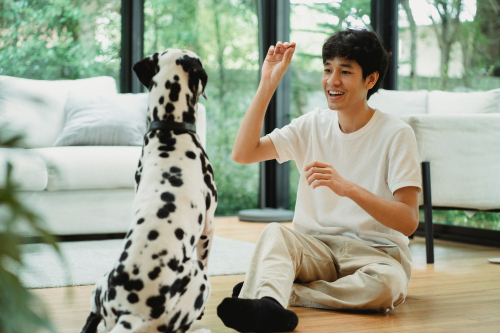
Choosing a dog training class is one of the most influential early decisions a pet owner can make. Beyond teaching basic obedience, the right environment shapes how a dog learns, how confidently a handler communicates, and how both adjust to life together. In structured group settings, outcomes vary widely depending on instructor quality, class design, and how well the program aligns with a dog’s developmental stage and temperament. Understanding what separates an effective training class from a frustrating one helps owners make informed, long-term decisions that support calmer behavior and stronger human–dog relationships.
Your dog’s daily struggles pulling, mealtime anxiety, or reactivity don’t just cause stress, they chip away at the joy of being together. At Prime Paw, our positive reinforcement-based programs meet your dog where they are and build confidence, connection, and real skills. Our tailored programs in-person classes, coaching, and online resources help you enjoy calmer walks, relaxed routines, and a deeper connection. Ready for lasting change? Schedule a Prime Paw consultation today!
What Defines a High-quality Dog Training Class
A strong training class is less about rigid obedience drills and more about structured learning that builds trust and communication. Experienced professionals emphasize adaptability in teaching style and an ability to adjust methods based on individual dogs and handlers. According to guidance on evaluating programs, the instructor’s expertise and teaching approach play a central role in whether participants feel supported and progress effectively. Observing how a trainer interacts with both people and dogs can quickly reveal whether the environment encourages engagement or creates confusion.
Evaluating dog training classes involves assessing instructor expertise, teaching style, and class dynamics to ensure a positive learning environment tailored to both handler and dog. Skilled trainers adapt methods to individual needs, demonstrate availability for ongoing questions, and create atmospheres where participants feel supported rather than judged. Visiting classes beforehand reveals whether the instructor engages all students equally, encourages questions, and facilitates interactions that build community. Practical factors such as convenient scheduling, appropriate class sizes to allow hands-on attention, and suitable facilities contribute to consistent participation and better results. What to look for in dog training classes Recommendations from trusted sources like veterinarians offer initial leads, but personal observation confirms compatibility with family goals and values, particularly favoring positive reinforcement aligned with modern welfare standards. For puppy owners or those with adolescent dogs, aligning class timing with developmental stages maximizes socialization and foundational skill development. Understanding these elements beforehand prevents common mismatches and helps guardians commit to programs that deliver measurable improvements in behavior, leash manners, and overall confidence. This preparation transforms training from a potential chore into a rewarding journey that enhances the human-canine partnership for years to come.
Well-run programs also prioritize an atmosphere where questions are welcomed and learning feels collaborative rather than judgmental. These early impressions often matter more than promotional descriptions or online reviews.
In practice, high-quality training environments focus on clear communication, gradual progression of skills, and reinforcing behaviors in ways dogs can understand. This reduces frustration for both the handler and the dog, especially in group settings where distractions are naturally present.
The Role of Trainer Expertise and Communication Style
The effectiveness of a dog training class is closely tied to the trainer’s ability to translate behavioral principles into practical instruction. Skilled trainers often avoid one-size-fits-all approaches, instead adjusting techniques to match a dog’s temperament, learning speed, and emotional state. This flexibility is especially important in mixed-skill group environments, where dogs may be at different stages of learning.
Modern training philosophy increasingly emphasizes positive reinforcement, where desired behaviors are encouraged through rewards rather than punishment. This approach helps build confidence and strengthens long-term behavior retention. In urban environments where dogs encounter frequent stimuli crowded sidewalks, loud noises, and unfamiliar interactions this kind of reinforcement-based learning can be especially effective.
Beginning dog training requires managing expectations, recognizing that dogs are individuals with unique personalities rather than seeking Instagram-perfect behavior. Experts recommend allowing new dogs time to settle into the home before intensive obedience work, as rushing can create unnecessary stress. Focus on essential cues like ‘sit’ for calm positioning and strong recall for safety, practicing in short, engaging sessions of 10-15 minutes daily to maintain motivation. Socialization for puppies extends beyond other dogs to include varied environments, sounds, and people through positive associations with treats and gentle exposure. Starting dog training effectively Before enrolling in a group class, verify that the program maintains small sizes, separates by temperament or size when appropriate, and requires proof of vaccinations while being led by credentialed professionals. Poorly managed groups risk setbacks, making research into trainer qualifications through organizations like CCPDT essential. Training serves as communication that builds trust and prevents behavioral escalation, with professional help recommended early for issues like biting or anxiety. This thoughtful preparation ensures classes become enjoyable bonding opportunities rather than sources of overwhelm, supporting long-term harmony for both dogs and their families in busy urban settings like San Francisco.
Expert recommendations highlight the importance of managing expectations and recognizing that dogs learn at different paces. Trainers who understand this dynamic tend to structure sessions in short, engaging intervals that maintain attention without overwhelming the animal.
Understanding Class Structure and Group Dynamics
Group training environments can be highly beneficial when structured correctly. However, class size and composition significantly influence learning outcomes. Smaller groups generally allow for more individualized attention, making it easier for trainers to correct behavior in real time and ensure that each participant is progressing.
Well-designed programs also consider temperament compatibility, ensuring that dogs of similar size or behavioral tendencies are grouped together when appropriate. This reduces stress and prevents overstimulation, especially for younger dogs or those new to structured environments.
Another key factor is the physical setup of the training space. A controlled, distraction-managed environment helps dogs focus on instructions rather than competing sensory input. Trainers who actively manage group energy and rotate exercises between dogs create more balanced sessions, reducing downtime and keeping engagement high.
In addition, successful classes often encourage structured social interaction. Dogs learn not only from trainers but also by observing other animals in controlled settings. This observational learning can improve adaptability, particularly in busy urban neighborhoods where dogs regularly encounter unfamiliar animals and people.
How to Evaluate a Dog Training Class Before Enrolling
Observing a class before committing is one of the most effective ways to determine whether it will meet expectations. Watching how instructors interact with dogs and owners provides immediate insight into teaching quality and group management. A well-run session typically includes clear instructions, consistent reinforcement, and calm handling of behavioral challenges.
It is important to assess whether instructors engage all participants equally and whether questions are encouraged throughout the session. Trainers who remain approachable and attentive often foster stronger learning outcomes and more confident handlers.
It is also worth evaluating practical elements such as scheduling consistency, facility cleanliness, and class size. These logistical factors can directly influence attendance and long-term commitment. Owners should also confirm that trainers are credentialed or professionally experienced, as this often correlates with safer and more structured learning environments.
Before enrolling, many experienced dog owners also consider how the program handles behavior challenges. Programs that emphasize patience, redirection, and positive reinforcement tend to create more stable progress over time than those relying on strict correction-based methods.
Socialization Timing and Developmental Stages
A dog’s age and developmental stage play a major role in how they respond to training environments. Puppies, for example, benefit significantly from early exposure to structured socialization experiences that include a variety of people, sounds, and environments. This exposure helps build confidence and reduces anxiety later in life.
Training professionals often recommend introducing foundational cues such as recall and calm positioning early, using short, engaging sessions that maintain focus without overwhelming the dog. Brief daily practice sessions help sustain motivation and prevent frustration for both dog and handler.
Adolescent dogs may require additional patience, as behavioral consistency can fluctuate during developmental changes. In structured classes, this stage benefits from clear boundaries and repetition, reinforcing expectations while still allowing space for learning through exploration.
Timing also matters when enrolling in group classes. Introducing dogs to structured environments too early or too late can affect confidence and responsiveness. A balanced approach ensures that learning aligns with emotional readiness, not just age milestones.
Common Mistakes Owners Make When Choosing Classes
One of the most frequent mistakes dog owners make is selecting a class based solely on convenience rather than instructional quality. While location and schedule matter, they should not outweigh considerations like trainer experience, class structure, and teaching philosophy.
Another common issue is expecting immediate behavioral transformation. Training is a gradual process that depends on consistency, repetition, and reinforcement. Owners who expect rapid results often become discouraged, even when meaningful progress is occurring.
Overlooking class observation before enrollment is also a missed opportunity. Watching a session provides valuable insight into how dogs respond to instruction, how trainers manage disruptions, and whether the environment feels supportive or stressful. These observations are often more revealing than marketing descriptions.
Finally, ignoring a dog’s individual temperament can lead to mismatched environments. Some dogs thrive in social, high-energy group settings, while others require quieter, more focused instruction. Recognizing these differences helps ensure that training remains productive rather than overwhelming.
Creating a Positive Long-term Training Experience
Successful dog training is not defined by a single class but by a consistent, evolving relationship between dog and owner. The most effective programs teach handlers how to communicate clearly, respond calmly, and reinforce behaviors in everyday environments not just during scheduled sessions.
Instructors who prioritize long-term skill development over quick fixes help owners build confidence that extends beyond the classroom. This includes teaching owners how to interpret behavior, adjust expectations, and maintain consistency across different situations.
When combined with thoughtful class selection, this approach transforms training into a shared learning experience. Dogs gain structure and confidence, while owners develop practical skills that improve daily life. Over time, this leads to more predictable behavior, reduced stress in public environments, and a stronger bond between human and dog.
For owners exploring options, the key is not finding a perfect class, but finding one that aligns with both the dog’s needs and the owner’s willingness to engage in the learning process. That alignment is what ultimately determines success.
Frequently Asked Questions
What should I look for in a dog training class before enrolling?
When choosing a dog training class, focus on instructor experience, teaching style, and whether the program uses positive reinforcement methods. It is also important to observe class structure, including group size, facility setup, and how engaged the trainer is with both dogs and owners. Visiting a session beforehand can help you determine if the environment feels supportive and well-organized. These factors strongly influence how effectively your dog will learn and progress.
How can I tell if a dog trainer is qualified and uses effective training methods?
A qualified dog trainer should demonstrate clear communication skills, adaptability, and a strong understanding of dog behavior. Look for professionals who use positive reinforcement rather than punishment-based techniques, as this builds confidence and long-term behavior retention. Credentials from organizations such as CCPDT can also indicate professional standards. Observing how the trainer handles different dogs in a group setting can further reveal their expertise.
When is the best time to start dog training classes for puppies or adolescent dogs?
The best time to start dog training is during early developmental stages, especially for puppies who benefit from early socialization with people, environments, and other dogs. Short, consistent training sessions help build foundational cues without overwhelming the dog. Adolescent dogs may require additional patience as their behavior can fluctuate during development. Starting at the right time ensures training aligns with emotional readiness and improves long-term results.
Disclaimer: The above helpful resources content contains personal opinions and experiences. The information provided is for general knowledge and does not constitute professional advice.
You may also be interested in: Leash Training and Urban Manners for City Dogs
Your dog’s daily struggles pulling, mealtime anxiety, or reactivity don’t just cause stress, they chip away at the joy of being together. At Prime Paw, our positive reinforcement-based programs meet your dog where they are and build confidence, connection, and real skills. Our tailored programs in-person classes, coaching, and online resources help you enjoy calmer walks, relaxed routines, and a deeper connection. Ready for lasting change? Schedule a Prime Paw consultation today!
Powered by flareAI.co