
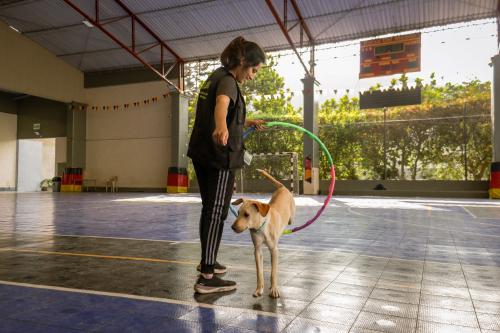
Choosing the right dog training approach can make all the difference in building a strong, harmonious relationship with your canine companion. For dog owners in San Francisco’s vibrant neighborhoods, where busy schedules meet lively community spaces, deciding between group dog classes and private training sessions often comes down to understanding their unique benefits and how they align with your lifestyle and your dog’s needs.
Your dog’s daily struggles pulling, mealtime anxiety, or reactivity don’t just cause stress, they chip away at the joy of being together. At Prime Paw, our positive reinforcement-based programs meet your dog where they are and build confidence, connection, and real skills. Our tailored programs in-person classes, coaching, and online resources help you enjoy calmer walks, relaxed routines, and a deeper connection. Ready for lasting change? Schedule a Prime Paw consultation today!
Understanding the Core Differences
Group dog classes and private training sessions represent two distinct paths to better behavior and stronger bonds. Group classes bring multiple dogs and owners together in a shared setting, creating a dynamic environment for learning. Private sessions, by contrast, provide one-on-one attention tailored specifically to you and your dog. Both formats emphasize positive reinforcement, which veterinary behavior experts highlight as an effective way to make training enjoyable while building confidence and focus.
Professional dog training plays a crucial role in fostering healthy relationships and preventing behavioral issues that can strain households or lead to safety concerns. Positive reinforcement methods, emphasized by veterinary behavior experts, make learning enjoyable and effective, helping dogs understand expectations while building confidence and focus. Veterinary insights on training importance Group classes provide structured opportunities for socialization during key developmental periods, exposing puppies and young dogs to a variety of people, dogs, and stimuli in a controlled way that supports emotional resilience. These settings also allow owners to practice cues amid mild distractions, improving reliability in real-life situations. Private training sessions offer the flexibility to tackle individual challenges such as leash reactivity or separation concerns with personalized strategies that account for the dog’s unique temperament and home dynamics.
The choice often depends on your dog’s age, personality, and specific challenges. Puppies and young dogs frequently thrive in group settings that support key developmental stages, while dogs with more individualized concerns may benefit from focused private work. Many San Francisco dog owners find success by evaluating both options against their daily routines, from walks in Bernal Heights to playtime in Dogpatch parks.
Benefits of Group Dog Classes
Group classes offer an engaging, social atmosphere that mirrors real-world situations. Dogs learn core skills alongside others, gaining valuable socialization that helps them feel more comfortable around new people, dogs, and environments. This structured exposure in a controlled setting reduces stress during social encounters and builds emotional resilience.
Owners also benefit from observing fellow participants, picking up practical tips on breed-specific needs and behavior strategies that fit urban living. The communal experience often makes training more enjoyable and sustainable, encouraging consistent practice at home. In neighborhoods like the Mission District or Noe Valley, group classes can double as opportunities to connect with other local dog lovers who share similar lifestyles.
Another advantage lies in cost-effectiveness and accessibility. Group formats provide an affordable entry point for foundational manners, basic cues, and prevention of common issues. The mild distractions present in class help improve reliability when cues are used during everyday outings around Potrero Hill or SoMa.
Dog training delivers benefits that extend well beyond obedience, enriching the daily lives of both pets and their families while building essential communication and trust. Group classes offer an affordable, engaging way for dogs to learn core skills alongside others, providing valuable socialization that helps them become more comfortable in varied settings and reduces stress in social encounters. Owners gain insights from watching fellow participants and receive guidance on breed-specific needs or behavior management strategies tailored to their lifestyle. This communal learning environment often makes training more enjoyable and sustainable, encouraging consistent practice at home. Benefits of structured dog training
Advantages of Private Training Sessions
Private sessions shine when addressing specific behavioral challenges. Whether dealing with leash reactivity, separation concerns, fearfulness, or resource guarding, one-on-one training allows for customized plans that consider your dog’s unique temperament and home environment.
Trainers can deliver undivided attention and work directly in the spaces where behaviors occur your apartment, backyard, or favorite neighborhood route. This personalized approach proves especially valuable for complex issues that require deeper intervention. In San Francisco’s diverse housing situations, from lofts in SoMa to homes in Bernal Heights, private training adapts seamlessly to individual living dynamics.
Owners gain deeper insights into reading their dog’s signals and implementing effective reward-based techniques. Rather than relying on punishment, which can damage trust, private sessions focus on building communication and realistic goals tailored to your schedule.
Key Factors to Compare
Socialization Vs. Individualized Attention
Group classes excel at socialization, exposing dogs to varied stimuli in a supportive group dynamic. This proves particularly helpful during critical developmental windows. Private training, however, prioritizes individualized attention, making it ideal for dogs who need focused work on particular behaviors without the added variables of other animals.
Cost and Time Commitment
Group classes generally require less financial investment per session while offering structured weekly commitments. Private sessions, though typically higher in cost, provide flexibility in scheduling and depth of instruction. Urban professionals in Castro District or Dogpatch often weigh these factors against their work demands and commute times.
Trainer Expertise and Environment
Look for trainers experienced with positive reinforcement methods endorsed by veterinary professionals. Group classes benefit from controlled environments that simulate real distractions, while private work allows trainers to observe behaviors in your actual home setting. Consider how each format fits your dog’s comfort level with new situations.
Matching the Format to Your Dog’s Needs
The most successful outcomes come from thoughtfully matching the training format to your dog’s age, personality, and goals. Young, energetic dogs may flourish in group settings that channel their social energy, while anxious or reactive dogs often progress faster with private support.
Many owners create a balanced approach: starting with group classes for foundational skills and socialization, then supplementing with private sessions for targeted challenges. This hybrid strategy combines the best of both worlds, leading to well-adjusted dogs who respond reliably in various contexts.
Consider your lifestyle too. San Francisco dog parents juggling demanding careers and active social lives benefit from formats that integrate easily into neighborhood routines whether that means weekend group sessions near local parks or convenient in-home private visits.
Practical Tips for Getting Started
Begin by assessing your dog’s current behaviors and your training objectives. Observe a group class session if possible to gauge the energy and teaching style. For private training, request an initial consultation to discuss specific concerns.
Ask potential trainers about their methods, experience with similar cases, and approach to positive reinforcement. Reliable professionals emphasize building trust and understanding rather than quick fixes. Check references and ensure alignment with your values around compassionate, science-based training.
Consistency remains key regardless of format. Regular practice at home reinforces lessons learned in class or sessions, strengthening the bond between you and your dog over time.
Long-term Impact on Your Relationship
Investing in quality training whether through group dynamics or private guidance yields benefits that extend far beyond basic obedience. Dogs become better integrated into family and community life, experiencing less anxiety and more freedom to enjoy outings.
Veterinary professionals often note that early intervention through appropriate training formats can prevent minor issues from escalating and support long-term welfare. Owners benefit too, learning to read their dog’s signals, set realistic goals, and use rewards effectively rather than punishment, which can damage trust. By thoughtfully comparing group and private options, families can create a balanced approach that combines social learning with individualized support, resulting in well-adjusted dogs who respond reliably, experience less anxiety, and integrate seamlessly into family and community life. This investment pays dividends in reduced stress, stronger bonds, and a more fulfilling companionship for years to come.
Owners develop stronger communication skills and a deeper appreciation for their dog’s perspective. The result is reduced household stress, fewer safety concerns, and more fulfilling companionship. In close-knit San Francisco communities, well-trained dogs contribute to positive shared spaces where people and pets coexist happily.
Ultimately, both group classes and private sessions play valuable roles in supporting long-term welfare. By comparing options carefully and selecting what best fits your situation, you set the foundation for years of joyful adventures together.
Whether you opt for the social energy of group classes or the precision of private training, the commitment to professional guidance pays dividends in a stronger relationship and a happier dog. PrimePaw stands ready to support San Francisco dog owners in finding the approach that works best for their unique circumstances.
Frequently Asked Questions
What is the difference between group dog classes and private dog training sessions?
Group dog classes involve multiple dogs and owners learning together in a structured, social environment, which helps with socialization and real-world distractions. Private dog training sessions provide one-on-one attention tailored to your dog’s specific behavior challenges and learning needs. Both formats use positive reinforcement dog training methods, but group classes focus more on general obedience and social skills while private sessions focus on individualized behavior solutions.
Which is better for puppy socialization: group dog training classes or private training sessions?
Group dog training classes are often better for puppy socialization because they expose dogs to other puppies, people, and controlled distractions during critical developmental stages. This helps build confidence, emotional resilience, and better behavior in public settings. Private training sessions can still address specific issues, but they do not offer the same level of social interaction needed for early social development.
How do the costs and effectiveness of group dog classes compare to private dog training sessions?
Group dog classes are generally more affordable and provide structured weekly training that works well for foundational obedience and socialization. Private dog training sessions are typically more expensive but offer faster progress for specific issues like leash reactivity or separation anxiety due to personalized attention. The most effective approach often depends on your dog’s needs, with many owners benefiting from a combination of both formats.
Disclaimer: The above helpful resources content contains personal opinions and experiences. The information provided is for general knowledge and does not constitute professional advice.
You may also be interested in: Customized Training Addresses Unique Needs of Each Puppy
Your dog’s daily struggles pulling, mealtime anxiety, or reactivity don’t just cause stress, they chip away at the joy of being together. At Prime Paw, our positive reinforcement-based programs meet your dog where they are and build confidence, connection, and real skills. Our tailored programs in-person classes, coaching, and online resources help you enjoy calmer walks, relaxed routines, and a deeper connection. Ready for lasting change? Schedule a Prime Paw consultation today!
Powered by flareAI.co