
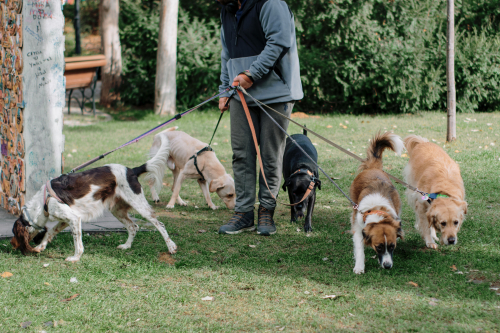
Dog owners in San Francisco often face a key decision when seeking professional support: should you invest in private dog training sessions or opt for group classes? The choice depends on your dog’s specific needs, your lifestyle in neighborhoods like the Mission District or Bernal Heights, and the kind of progress you hope to achieve. Private, one-on-one training offers tailored guidance that can address complex behavioral challenges, while group classes provide valuable socialization and structure in a communal setting. Understanding the strengths of each approach helps you select the format that best supports a happier, better-behaved companion.
Your dog’s daily struggles pulling, mealtime anxiety, or reactivity don’t just cause stress, they chip away at the joy of being together. At Prime Paw, our positive reinforcement-based programs meet your dog where they are and build confidence, connection, and real skills. Our tailored programs in-person classes, coaching, and online resources help you enjoy calmer walks, relaxed routines, and a deeper connection. Ready for lasting change? Schedule a Prime Paw consultation today!
Understanding Private Dog Training vs Group Classes
Private dog training delivers individualized attention designed to meet your dog’s unique temperament, history, and environment. In a one-on-one setting, a qualified professional develops a custom treatment plan targeting root causes of issues such as resource guarding, separation anxiety, aggression, or fear-based responses. This format allows for focused work without the distractions common in group environments.
Group obedience classes, by contrast, excel at teaching foundational manners like sit, down, and recall. They also create natural opportunities for socialization, helping well-adjusted puppies and confident dogs practice skills amid other animals and people. Many owners successfully combine both approaches starting with private sessions to build core competencies before transitioning to group settings for real-world refinement.
When Private Dog Training Shines for Behavioral Challenges
When dealing with specific behavioral challenges like resource guarding, separation anxiety, aggression, or fear-based responses, private dog training delivers the individualized attention necessary for meaningful change that group classes often cannot accommodate. In a one-on-one setting, qualified professionals can develop custom treatment plans that directly target the root causes of the issue, incorporating techniques tailored to the dog’s unique temperament, history, and environment. Group obedience classes remain excellent for teaching foundational manners such as sit, down, and recall, along with providing valuable socialization opportunities for well-adjusted puppies and confident dogs. However, for more serious concerns that could pose risks to people or other animals, or issues that manifest primarily in the home like excessive barking, destructive chewing, or house training regressions, private sessions allow for deeper exploration and hands-on guidance without distractions from other participants. Professional behaviorists bring advanced expertise in learning theory, ethology, and modification techniques, often collaborating with veterinarians when medical factors or medications might support the training process. This personalized approach ensures owners receive practical strategies they can implement consistently in daily life, leading to sustainable improvements rather than temporary fixes. Specialized behavior support through private sessions demonstrates a commitment to addressing the dog’s needs comprehensively, ultimately fostering a safer, more harmonious relationship between pet and family while preventing minor issues from escalating into larger problems.
The Value of Group Classes for Socialization and Basics
Group dog training classes remain an excellent choice for building essential skills and confidence. The presence of other dogs introduces controlled distractions that strengthen reliability in public spaces a particularly relevant benefit for dogs navigating the energetic streets and parks of San Francisco neighborhoods.
These classes foster socialization opportunities that private sessions cannot replicate. Puppies and sociable dogs learn to manage excitement and focus amid peers, skills that translate well to everyday encounters in dog-friendly areas like Potrero Hill or Dogpatch. Group formats also demonstrate practical application of commands in dynamic settings, reinforcing learning through real-life practice.
Choosing the Right Format Based on Your Dog’s Needs
Selecting between private dog training and group classes depends on understanding your dog’s personality and your specific goals. Dogs that become overstimulated or anxious around other animals often thrive in the low-pressure environment of one-on-one sessions, where progress on targeted skills can occur more rapidly.
Private training proves especially effective when addressing problem behaviors tied to particular contexts, such as greetings at the front door or interactions with family members. The trainer can intervene directly in your home or chosen environment, ensuring strategies align with your household dynamics. Full family involvement becomes simpler, allowing everyone to learn consistent cues and reinforcement techniques for lasting success.
Practical Considerations for San Francisco Dog Owners
Busy professionals and families in areas like SoMa, Castro District, or Noe Valley often appreciate the flexibility of private dog training. Sessions can be scheduled around work commutes and urban routines, with trainers coming to you or meeting in convenient local spots. This convenience supports consistent practice without the fixed schedules of group classes.
Selecting between private dog training and group classes depends heavily on understanding your dog’s personality, current skill level, and the specific goals you hope to achieve together. For dogs that become overstimulated or anxious in the presence of other animals, one-on-one sessions create an ideal low-pressure learning environment where progress can occur more rapidly on targeted skills. Private training shines when addressing problem behaviors that occur in specific contexts, such as at the front door or during family interactions, allowing the trainer to observe and intervene directly in the real-world setting where the issues arise. This format also supports full family involvement, ensuring everyone learns consistent cues and reinforcement methods for long-term success. Group classes, by contrast, provide essential opportunities for socialization and practicing commands amid natural distractions, which builds confidence and reliability in public spaces.
Many successful training journeys combine both approaches: beginning with private instruction to establish core competencies and then advancing to group settings for refinement and real-life application. Positive reinforcement-based trainers who emphasize science-backed methods tend to yield the best outcomes across formats, strengthening the bond between owner and dog while promoting joyful learning. Evaluating a trainer’s credentials, philosophy, and ability to customize their services helps ensure the chosen path aligns perfectly with your household’s needs and lifestyle, setting the stage for a well-mannered companion who thrives in various situations. For reactive dogs or those needing focused reactivity management, choosing the right training format becomes crucial. Private programs allow customized solutions that account for triggers common in dense city living such as noise from traffic, encounters with other dogs on crowded sidewalks, or distractions in neighborhood parks.
Combining Approaches for Optimal Results
Many successful training journeys blend private and group elements. Beginning with one-on-one instruction establishes strong foundations and addresses individual challenges. Transitioning into group classes then refines those skills through socialization and varied distractions.
Positive reinforcement-based trainers who follow science-backed methods tend to deliver the best outcomes regardless of format. Evaluating a trainer’s credentials, philosophy, and customization abilities helps ensure the path matches your dog’s needs and your lifestyle. This thoughtful approach strengthens the bond between owner and dog while promoting joyful, effective learning.
Evaluating Your Options and Next Steps
Consider your dog’s current skill level, any specific behavioral hurdles, and your household’s constraints when deciding. Private dog training benefits dogs with complex needs by providing undivided attention and tailored strategies. Group classes offer community, socialization, and practice in stimulating environments ideal for building broad reliability.
Ultimately, the right choice supports both practical obedience and a deeper human-canine connection. Whether addressing reactivity, building confidence, or simply refining manners, aligning the training format with your dog’s temperament leads to more harmonious daily life in San Francisco’s vibrant neighborhoods.
Exploring professional support demonstrates commitment to your dog’s well-being and your family’s peace of mind. By carefully weighing private dog training benefits against the pros and cons of group classes, you can select a path that delivers meaningful, lasting results tailored to your unique situation.
Frequently Asked Questions
When should I choose private dog training over group classes for my dog?
Private dog training is best when your dog has specific behavioral challenges or needs individualized attention that group settings cannot provide. It is especially useful for issues like aggression, separation anxiety, resource guarding, or fear-based behaviors. One-on-one sessions allow trainers to create customized plans and work in real-life environments, leading to more targeted and effective results. This format is often ideal for dogs that become overstimulated or struggle in group settings.
What behavioral issues are best suited for private dog training sessions?
Private dog training is most effective for addressing complex behavioral issues such as aggression, leash reactivity, separation anxiety, and fear-based responses. It also helps with home-specific problems like destructive chewing, excessive barking, house training regressions, and difficult greetings. Because the training is tailored, the trainer can focus on identifying root causes and adjusting techniques to fit the dog’s temperament. This individualized approach often leads to more sustainable behavior improvement than group classes.
Can I combine private dog training and group classes for better results?
Yes, combining private dog training with group classes is a common and effective approach. Many owners start with private sessions to build foundational skills and address specific behavioral concerns. Once a dog is more confident and responsive, group classes provide valuable socialization and help reinforce obedience around distractions. This blended approach helps dogs generalize their training and perform reliably in real-world environments.
Disclaimer: The above helpful resources content contains personal opinions and experiences. The information provided is for general knowledge and does not constitute professional advice.
You may also be interested in: Early Puppy Socialization and Its Effects on Adult Behavior
Your dog’s daily struggles pulling, mealtime anxiety, or reactivity don’t just cause stress, they chip away at the joy of being together. At Prime Paw, our positive reinforcement-based programs meet your dog where they are and build confidence, connection, and real skills. Our tailored programs in-person classes, coaching, and online resources help you enjoy calmer walks, relaxed routines, and a deeper connection. Ready for lasting change? Schedule a Prime Paw consultation today!
Powered by flareAI.co