
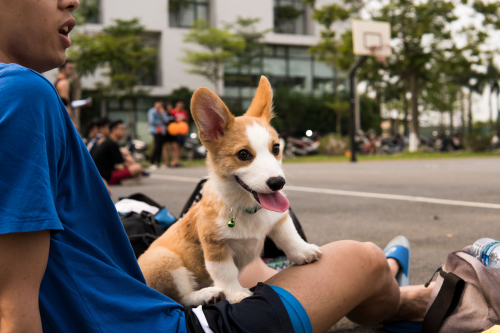
Early puppy development is shaped by every interaction a young dog has with the world. During the first few months of life, experiences are not just moments of play they become the foundation for confidence, emotional regulation, and long-term behavior patterns. For pet owners evaluating how to best support this stage, puppy socials have emerged as a structured, intentional alternative to unregulated play environments, offering a safer and more developmentally informed approach to socialization.
Your dog’s daily struggles pulling, mealtime anxiety, or reactivity don’t just cause stress, they chip away at the joy of being together. At Prime Paw, our positive reinforcement-based programs meet your dog where they are and build confidence, connection, and real skills. Our tailored programs in-person classes, coaching, and online resources help you enjoy calmer walks, relaxed routines, and a deeper connection. Ready for lasting change? Schedule a Prime Paw consultation today!
Why Early Socialization Shapes Long-term Behavior
Socialization is more than simply letting puppies interact with other dogs. It is a deliberate process of exposure to new environments, sounds, people, and play styles in a way that helps young dogs learn appropriate responses and build resilience. When done correctly, it supports adaptability and reduces the likelihood of fear-based behaviors later in life.
Veterinary behavior experts emphasize that structured early experiences play a key role in helping puppies learn bite inhibition, social cues, and calm engagement with both humans and other dogs. According to expert perspectives on early puppy classes, these early interactions contribute directly to reduced anxiety and improved behavior outcomes in adulthood. This developmental window is brief, which makes the quality of experiences especially important.
For pet families exploring services like those offered by Prime Paw, understanding this foundation helps clarify why structured environments are often recommended over informal, unpredictable play settings.
The Hidden Risks of Unstructured Dog Park Play
Dog parks are often viewed as a convenient way for puppies to burn energy and meet other dogs, but unstructured environments can introduce challenges that are not immediately obvious. Puppies are still learning how to interpret body language and regulate their responses. In large, mixed-age groups, mismatched energy levels or rough play styles can overwhelm young dogs.
While unstructured environments like dog parks can sometimes overwhelm puppies or reinforce undesirable interactions, carefully designed puppy socials offer a superior alternative for safe early development. Socialization involves more than casual play; it is the deliberate process of exposing young puppies under 20 weeks to new experiences that build confidence and adaptability. Supervised, small-group sessions with age-appropriate peers and guided human interactions help puppies learn appropriate social boundaries, body language reading, and calm responses in a controlled setting. This contrasts with unpredictable group dynamics where mismatched sizes, energies, or temperaments may create negative associations. Professional or well-organized puppy socials prioritize safety, positive reinforcement, and educational components for guardians, allowing under-vaccinated puppies to participate without undue risk.
Such programs support critical neurological and behavioral development during the prime window, reducing long-term issues like reactivity or fear. Families gain insights into their puppy’s signals and needs, fostering proactive management that extends beyond the session. By choosing structured opportunities over random exposures, owners help their puppies develop into well-adjusted adults who navigate real-world situations with greater ease and resilience. This methodical approach underscores the value of quality over quantity in early experiences, aligning with expert recommendations for preventing behavioral challenges that commonly arise from insufficient or poorly timed socialization.
Research and behavioral analysis suggest that unstructured play may sometimes reinforce undesirable interactions rather than teach balanced social skills. As highlighted in structured socialization versus unstructured play, unpredictable group dynamics can lead to confusion, overstimulation, or negative associations with other dogs. These early experiences can shape how a puppy responds to similar situations later in life.
Another concern is inconsistency. Unlike controlled settings, dog parks rarely provide supervision tailored to developmental needs. This means that while some interactions may be positive, others can create fear or overstimulation that interrupts healthy social learning.
For families in urban environments with active dog communities, including neighborhoods such as SoMa or the Mission District, the appeal of local parks is understandable. However, the quality of interaction often matters more than frequency, especially during early development stages.
How Puppy Socials Provide Structured, Safe Learning
Puppy socials are designed to replace unpredictability with intentional structure. Rather than mixing dogs of all ages and temperaments, these sessions focus on age-appropriate groupings, guided play, and supervised interaction. The goal is not just playtime it is skill-building.
Well-designed programs emphasize controlled exposure, allowing puppies to gradually experience new stimuli while maintaining a sense of safety. This reduces the likelihood of overstimulation and helps puppies develop confidence in a predictable environment. Structured sessions also allow facilitators to intervene when necessary, redirecting behavior and reinforcing positive social cues.
According to structured socialization versus unstructured play, supervised puppy environments often prioritize small groups and positive reinforcement techniques. This approach supports both behavioral development and owner education, helping caregivers understand how their puppy communicates stress, excitement, or uncertainty.
In practice, this means puppies learn not only how to interact with other dogs but also how to recover from overstimulation, pause during play, and engage calmly with new experiences. These are essential life skills that extend far beyond early socialization sessions.
The Veterinary Perspective on Critical Development Windows
Veterinary behavior science consistently emphasizes that early development stages are time-sensitive. Puppies experience a critical socialization period that typically ends around 16 weeks of age, during which they are especially receptive to learning from their environment. Experiences during this time can have lasting effects on emotional resilience and behavior patterns.
The benefits of early puppy socialization far outweigh potential health risks when classes are well-managed with appropriate precautions, according to veterinary behavior experts. Puppies benefit enormously from structured interactions during their critical developmental window ending around 16 weeks, learning bite inhibition through play, proper social cues with peers and people, and building confidence in varied environments. These experiences directly reduce the risk of fear-based behaviors, aggression, and anxiety that often lead to relinquishment. Owners simultaneously gain practical skills in positive reinforcement training, realistic expectations, and effective communication, strengthening the human-animal bond. Studies consistently show that puppies attending such classes are more likely to remain in their homes long-term due to improved behavior and owner competence.
Controlled puppy socials provide a low-risk venue for under-vaccinated puppies to engage safely with age-matched peers and people, minimizing disease transmission through health screenings, sanitation protocols, and limiting group sizes. Experts emphasize that holding puppies back until fully vaccinated carries far greater behavioral consequences, as the socialization period is time-sensitive. Proper early exposure fosters adaptability, resilience, and emotional stability, making dogs more enjoyable companions and easier to handle in veterinary or public settings. This balanced approach supports preventive behavioral health strategies, ultimately benefiting individual families and reducing shelter intake by addressing root causes of common problems like fearfulness or poor impulse control.
As noted in expert perspectives on early puppy classes, delaying structured exposure can increase the risk of fear-based behaviors later in life. When puppies miss this window, they may become more reactive or anxious in unfamiliar situations.
During this stage, well-managed puppy socials offer a controlled way to introduce new experiences without overwhelming the dog’s developing nervous system. Health precautions, group size limitations, and careful supervision help balance safety concerns with behavioral needs, making early exposure both practical and beneficial.
This perspective is especially relevant for owners balancing veterinary guidance with real-world constraints such as vaccination schedules or urban living conditions. Structured environments bridge that gap by providing safe, guided interaction during a critical developmental phase.
What a Well-designed Puppy Social Looks Like
Not all puppy programs are created equal. A well-designed puppy social is intentionally structured to support learning rather than simply allowing free play. The environment is typically divided into small groups of similar age and temperament, ensuring that interactions remain appropriate and manageable.
Supervision is active rather than passive. Facilitators observe behavior closely, stepping in to guide interactions, encourage breaks, and reinforce positive communication between puppies. This helps prevent overstimulation and ensures that learning remains consistent throughout the session.
Health and safety protocols are also a defining feature. Controlled entry, sanitation practices, and careful screening help reduce risk while still allowing under-vaccinated puppies to participate safely in early socialization experiences, as described in expert perspectives on early puppy classes.
In addition to puppy interaction, these sessions often include owner education. Caregivers learn how to interpret body language, recognize stress signals, and reinforce positive behaviors at home. This dual focus ensures that learning continues beyond the structured environment.
For pet owners evaluating options in communities such as Bernal Heights or Noe Valley, the key distinction is not just the presence of play, but the intentional design behind it. Structured puppy socials prioritize developmental outcomes over unstructured activity.
How Owners Can Choose the Right Socialization Program
Choosing a puppy social program requires more than simply finding a nearby class. Owners should evaluate how structured the environment is, how facilitators manage interactions, and whether the program prioritizes developmental outcomes over free play volume.
A strong program will clearly define group sizes, supervision standards, and behavioral goals. It will also emphasize education for owners, helping them understand how early experiences shape long-term behavior. Programs that align with veterinary guidance and behavioral science are generally better positioned to support healthy development.
Owners should also look for consistency in approach. Programs that apply reinforcement-based methods and maintain structured session flow tend to produce more predictable outcomes. This helps puppies build confidence gradually rather than through overwhelming exposure.
For families considering services like Prime Paw, the decision often comes down to whether the program treats socialization as intentional learning or informal playtime. The distinction has long-term implications for behavior, adaptability, and overall well-being.
Building Confident Dogs Through Structured Early Experiences
Early socialization is one of the most influential factors in shaping a dog’s behavior throughout life. While informal play environments may seem appealing, they often lack the structure necessary to support consistent learning during a critical developmental window.
Structured puppy socials provide a more intentional approach, combining supervised interaction, controlled exposure, and owner education. Backed by veterinary insights and behavioral research, these environments help puppies develop the skills they need to navigate the world with confidence and stability.
For pet owners, the goal is not simply to increase social exposure, but to ensure that each experience contributes positively to long-term emotional and behavioral health. Thoughtful participation in structured programs can make a meaningful difference in how puppies grow into adult dogs capable of calm, adaptable engagement with their environment.
Frequently Asked Questions
What are puppy socials and how do they support early puppy socialization?
Puppy socials are structured puppy socialization classes designed to help young dogs safely interact with other puppies, people, and new environments. Unlike unstructured play, they use supervised, age-appropriate groupings and guided interactions to reinforce positive behavior. These sessions help puppies learn bite inhibition, social cues, and calm responses during their critical developmental window. This structured approach builds confidence and supports long-term behavioral stability.
Are puppy socials safer and more effective than dog park play for puppies?
Yes, structured puppy socials are generally considered safer and more effective than dog park environments for early socialization. Dog parks often include mixed ages, sizes, and unpredictable play styles that can overwhelm or stress young puppies. In contrast, puppy socialization classes are supervised and controlled, reducing risks like overstimulation or negative social experiences. This helps puppies develop healthier associations and more consistent social skills.
When should puppies start socialization classes and why is the early window important?
Puppies should ideally begin socialization classes as early as safely possible, typically before 16 weeks of age during their critical developmental window. This period is when they are most receptive to new experiences and learning social behaviors. Missing this window can increase the risk of fear-based behaviors and anxiety later in life. Early structured puppy socials help ensure positive exposure that shapes long-term confidence and adaptability.
Disclaimer: The above helpful resources content contains personal opinions and experiences. The information provided is for general knowledge and does not constitute professional advice.
You may also be interested in: National Train Your Dog Month: Tips, Benefits and Building Trust
Your dog’s daily struggles pulling, mealtime anxiety, or reactivity don’t just cause stress, they chip away at the joy of being together. At Prime Paw, our positive reinforcement-based programs meet your dog where they are and build confidence, connection, and real skills. Our tailored programs in-person classes, coaching, and online resources help you enjoy calmer walks, relaxed routines, and a deeper connection. Ready for lasting change? Schedule a Prime Paw consultation today!
Powered by flareAI.co