
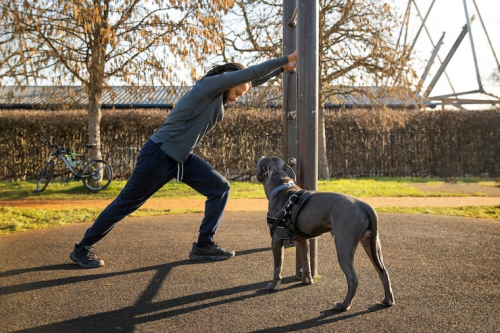
Walks are meant to be the most enjoyable part of a dog’s day, but for many owners, they can quickly turn into a stressful experience. Barking at passing dogs, sudden lunges toward strangers, or constant pulling on the leash can make even short outings feel overwhelming. These behaviors are not signs of a “bad dog,” but rather communication signals rooted in emotion, environment, and learned habits. Understanding how to approach them through structured, humane training can transform daily walks into calmer, more predictable routines.
Your dog’s daily struggles pulling, mealtime anxiety, or reactivity don’t just cause stress, they chip away at the joy of being together. At Prime Paw, our positive reinforcement-based programs meet your dog where they are and build confidence, connection, and real skills. Our tailored programs in-person classes, coaching, and online resources help you enjoy calmer walks, relaxed routines, and a deeper connection. Ready for lasting change? Schedule a Prime Paw consultation today!
Understanding Barking, Pulling, and Lunging on Leash
Leash-related behavioral challenges often fall under what trainers describe as leash reactivity. This includes barking, lunging, freezing, or excessive pulling when a dog encounters triggers such as other dogs, cyclists, or unfamiliar people. When restricted by a leash, dogs lose the ability to naturally increase distance from something they perceive as stressful or exciting, which can intensify their reactions.
Rather than being random or disobedient behavior, these responses are typically rooted in emotional arousal. A dog may be experiencing fear, frustration, or overstimulation. Over time, repeated exposure without proper guidance can reinforce the pattern, making reactions more predictable and harder to interrupt.
Expert training guidance commonly emphasizes that the first step is not correction, but observation understanding what triggers the behavior and how the dog’s body language changes before the reaction escalates. This awareness becomes the foundation for any effective leash reactivity training program.
Leash aggression or reactivity manifests as barking, lunging, and pulling when dogs feel restricted or unable to naturally respond to stimuli like other dogs or strangers, often amplifying underlying fear, frustration, or protective instincts. Understanding the motivation whether the dog seeks to increase distance from a perceived threat or feels thwarted in social desires is key to addressing it effectively. Prevention starts early with teaching strong focus cues and loose-leash walking skills, rewarding attention to the handler amid distractions and managing interactions to avoid overwhelming situations. For dogs already showing signs, professional assessment is crucial to develop tailored strategies including proper leash handling, emergency turns, and desensitization exercises that build self-control. Positive reinforcement techniques shine here, as they encourage desired behaviors without adding stress, helping dogs learn that calm responses lead to rewards and greater freedom. In busy environments, situational awareness allows owners to preempt triggers, using distractions or redirects proactively. This method supports stronger bonds and more predictable walks, aligning with science-based training that prioritizes the dog’s emotional state and long-term welfare over quick fixes.
Why Dogs Develop Leash Reactivity Behaviors
Dogs rarely begin walks with the intention to bark, pull, or lunge. Instead, these behaviors emerge through a combination of instinct, environment, and learning history. Urban environments with constant movement, especially in busy neighborhoods, can increase sensory overload. Sudden encounters with other dogs or unfamiliar stimuli often trigger instinctive responses.
One common driver is frustration. Dogs that are eager to greet others but are restrained by a leash may express their excitement through vocalization and pulling. In other cases, the behavior is fear-based, where barking and lunging are attempts to increase distance from a perceived threat.
Training experts often note that leash reactivity can also be reinforced unintentionally. When a dog barks and the trigger moves away, the dog may interpret this as a successful outcome, reinforcing the behavior pattern over time. Similarly, inconsistent leash handling or unpredictable corrections can add confusion, increasing emotional intensity during walks.
Understanding these underlying motivations is essential before selecting a training approach. Without addressing the emotional root, surface-level corrections rarely lead to lasting change.
Core Principles of Positive Reinforcement Training
Modern behavior guidance strongly favors reward-based learning methods for addressing leash-related challenges. Positive reinforcement focuses on teaching dogs what to do instead of punishing unwanted behaviors. This approach builds trust, reduces anxiety, and helps reshape emotional responses over time.
Insights from professional training perspectives, including widely recognized animal behavior guidance such as that shared by training experts, emphasize that dogs respond best when they associate calm behavior with positive outcomes. Rather than reacting to barking or pulling after it happens, successful training focuses on reinforcing attention, engagement, and calm walking before the reaction escalates.
This method often includes rewarding the dog for maintaining focus on the handler, creating space before triggers appear, and gradually exposing the dog to controlled levels of distraction. Over time, these structured repetitions help the dog form new associations with previously stressful situations.
In discussions around modern training philosophy, including broader behavioral commentary on humane training approaches, there is increasing recognition that punishment-based techniques can unintentionally intensify fear or frustration, while reward-based systems promote long-term behavioral stability.
The debate around dog training methods highlights growing recognition that positive reinforcement and force-free techniques offer humane, effective paths for addressing common issues like leash reactivity, barking, and lunging, contrasting with more confrontational balanced approaches. Many owners of reactive dogs find success by focusing on building trust and changing emotional responses through rewards rather than corrections, which can sometimes exacerbate fear-based behaviors. In an era where more people adopted dogs during periods of limited socialization, understanding these dynamics has become essential for rebuilding confidence during walks. Programs emphasizing counter-conditioning and management strategies help transform stressful outings into opportunities for connection, rewarding calm focus and gradual exposure to triggers. This shift reflects broader trends toward evidence-based practices that consider the dog’s perspective, reducing overall stress and improving outcomes for both pets and guardians. For urban dwellers navigating crowded sidewalks, these insights underscore the value of structured classes that teach practical skills in controlled settings, ultimately leading to more harmonious relationships and fewer reactive incidents over time.
How a Leash Reactivity Training Program Works
A structured leash reactivity training program typically follows a progressive model designed to reduce emotional intensity while building reliable skills. The first stage focuses on management preventing unnecessary exposure to triggers while the dog learns foundational behaviors such as focus cues and loose-leash walking.
Management is not avoidance; it is strategic control. By carefully selecting environments and distances, owners can ensure that the dog remains below their reactivity threshold. This creates opportunities for learning without triggering repeated reactive episodes.
The next stage involves desensitization and counter-conditioning. Desensitization reduces the emotional intensity of triggers by introducing them at a distance where the dog remains calm. Counter-conditioning changes the emotional association by pairing the presence of triggers with rewards.
For example, a passing dog at a distance becomes a signal for a treat rather than a cause for barking. Over time, the presence of other dogs or people becomes less emotionally charged, allowing for more controlled responses during walks.
Finally, the program transitions into real-world practice, gradually decreasing distance from triggers while reinforcing calm behavior. This stage requires consistency, patience, and careful observation to ensure the dog does not revert to reactive patterns.
Practical Techniques for Managing Barking, Pulling, and Lunging
While structured programs provide long-term solutions, everyday techniques play a critical role in immediate progress. One of the most important skills is teaching leash awareness. Dogs that understand pressure and slack on the leash are more likely to walk calmly without constant tension.
Another key technique is redirecting attention before a reaction occurs. This involves identifying early signs of arousal such as stiff posture, focused staring, or increased breathing and immediately guiding the dog’s focus back to the handler through cues or rewards.
Distance management is also essential. Increasing space between the dog and the trigger can significantly reduce the likelihood of reactive behavior. This allows the dog to remain under threshold while still experiencing controlled exposure.
Consistency across walks is equally important. Mixed signals such as sometimes allowing pulling and other times correcting it can create confusion and slow progress. Clear expectations help dogs understand what behaviors are rewarded and which are not reinforced.
Owners often find that short, structured training sessions integrated into regular walks are more effective than long, unstructured outings. This keeps the dog engaged while minimizing fatigue and overstimulation.
When Professional Training Support Becomes Important
Some leash reactivity cases require more than at-home adjustments. If a dog consistently escalates to intense barking, lunging, or pulling despite consistent training efforts, professional guidance can provide structure and clarity.
Behavior specialists can assess triggers more accurately, design individualized training plans, and help owners refine timing and reinforcement strategies. This is particularly helpful in complex environments where multiple stimuli may be present at once.
Professional support also ensures that training progresses safely. In some cases, unmanaged reactivity can increase over time if patterns are repeatedly rehearsed without intervention. Structured guidance helps interrupt these cycles and replace them with more stable behavioral responses.
For many dog owners, especially those managing reactive behaviors in busy daily environments, combining at-home practice with professional input leads to the most consistent improvement.
Building Calmer Walks Through Structured Training
Addressing barking, pulling, and lunging on leash is not about quick fixes. It is a gradual process of reshaping emotional responses, building communication, and creating predictable routines. When training is grounded in positive reinforcement and structured progression, dogs begin to develop confidence in how to navigate their environment.
Over time, walks shift from unpredictable challenges to structured experiences where both dog and owner understand expectations. With consistency, patience, and the right training framework, even highly reactive dogs can learn to walk calmly and engage more effectively with their surroundings.
Ultimately, a well-designed leash reactivity training program does more than improve behavior it strengthens the relationship between dog and owner, turning daily walks into a shared experience rather than a daily struggle.
Frequently Asked Questions
What is a leash reactivity training program for barking, pulling, and lunging on walks?
A leash reactivity training program is a structured approach designed to address behaviors like barking, pulling, and lunging during walks. It focuses on understanding the emotional triggers behind the behavior, such as fear, frustration, or overstimulation, rather than just correcting the symptoms. The program typically combines management, desensitization, and counter-conditioning to help dogs stay calm around distractions. Over time, it helps create more predictable and stress-free leash walking experiences.
How does positive reinforcement help stop leash reactivity in dogs?
Positive reinforcement training helps reduce leash reactivity by teaching dogs to associate calm behavior with rewards. Instead of punishing barking or lunging, it reinforces focus, loose-leash walking, and attention toward the handler. This method gradually changes the dog’s emotional response to triggers like other dogs or people. As a result, dogs learn better impulse control and develop more relaxed walking behavior.
When should I seek professional help for my dog’s barking, pulling, and lunging on leash?
You should consider professional help if your dog continues to bark, lunge, or pull intensely despite consistent training efforts. A behavior specialist can identify specific triggers and create a tailored leash reactivity training plan. They can also ensure that desensitization and counter-conditioning techniques are applied safely and effectively. Professional guidance is especially useful in complex or high-distraction environments where progress is difficult to maintain.
Disclaimer: The above helpful resources content contains personal opinions and experiences. The information provided is for general knowledge and does not constitute professional advice.
You may also be interested in: How Reward-based Methods Support Canine Confidence and Learning
Your dog’s daily struggles pulling, mealtime anxiety, or reactivity don’t just cause stress, they chip away at the joy of being together. At Prime Paw, our positive reinforcement-based programs meet your dog where they are and build confidence, connection, and real skills. Our tailored programs in-person classes, coaching, and online resources help you enjoy calmer walks, relaxed routines, and a deeper connection. Ready for lasting change? Schedule a Prime Paw consultation today!
Powered by flareAI.co