
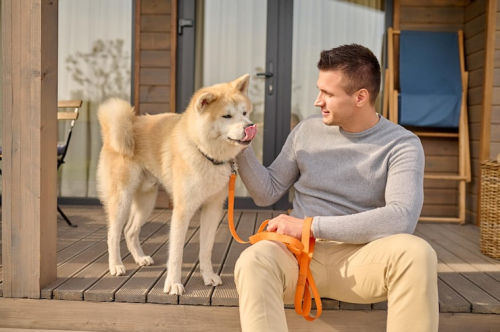
Choosing a daycare that also supports structured training is becoming an important consideration for dog owners who want more than just supervision during the day. For many dogs, especially puppies or recently adopted pets, daily environments shape behavior just as much as home routines do. The challenge is finding a program that balances safe social exposure, skill-building, and emotional wellbeing without overwhelming the dog or relying on unstructured play alone.
Your dog’s daily struggles pulling, mealtime anxiety, or reactivity don’t just cause stress, they chip away at the joy of being together. At Prime Paw, our positive reinforcement-based programs meet your dog where they are and build confidence, connection, and real skills. Our tailored programs in-person classes, coaching, and online resources help you enjoy calmer walks, relaxed routines, and a deeper connection. Ready for lasting change? Schedule a Prime Paw consultation today!
Why Daycare-integrated Training Changes Outcomes
Traditional daycare models often focus on exercise and social time, but not all dogs benefit from continuous, unstructured interaction. When training is intentionally integrated into the day, dogs gain consistency in reinforcement, clearer behavioral expectations, and opportunities to practice skills in real-world contexts rather than isolated sessions.
This approach is particularly relevant for busy owners who want their dogs to develop impulse control, polite greetings, and calm behavior around distractions. Instead of separating “training time” from “daycare time,” integrated programs reinforce learning throughout the entire experience during play breaks, transitions, and rest periods.
In practice, this creates a more stable learning environment where behaviors are not only taught but generalized across different social situations, which is one of the key challenges in early development stages.
The Science Behind Early Social Learning
Research on early behavioral development highlights how critical structured social exposure can be during formative stages. Puppies exposed to controlled, positive environments tend to develop stronger coping skills and reduced fear responses when encountering new situations later in life.
Scientific insights into early socialization underscore why daycare programs incorporating structured training prove particularly valuable during critical developmental windows. Puppy classes and controlled group experiences during the sensitive socialization period help reduce future anxiety and fear responses in novel environments, fostering resilience through positive exposures to various people, dogs, and stimuli. Research highlights that well-designed programs emphasizing appropriate play, body language education for guardians, and gradual introductions yield measurable improvements in social behaviors and owner handling skills. For daycare-integrated models, this translates to facilities that maintain small, supervised groups with age-appropriate activities, pairing play with training elements like basic commands and settling exercises to build focus amid distractions. Evidence from puppy socialization research shows the benefits of these approaches. Staff trained in recognizing developmental needs can tailor experiences, ensuring puppies gain confidence without overwhelming encounters that might set back progress. Broader studies affirm that consistent, positive early interventions correlate with lower incidences of behavioral issues later in life, making integrated programs a strategic choice for busy owners seeking both care and development.
Importantly, the research also emphasizes the role of small, carefully managed groups. Overexposure or chaotic environments can undermine learning, while thoughtfully moderated interactions help puppies build confidence without triggering stress responses.
For owners evaluating daycare-integrated training, this highlights a key principle: socialization is not simply about interaction volume, but about the quality, pacing, and supervision of those interactions.
How Group Structure Shapes Behavior
One of the most important indicators of a high-quality program is how dogs are grouped throughout the day. Rather than large, free-for-all play areas, effective facilities typically rely on small, compatible groups that are matched based on size, temperament, and play style.
Facilities that follow structured models often maintain tight oversight during interactions, allowing staff to interrupt escalating behavior early and redirect dogs before stress or overexcitement builds. This prevents overstimulation and helps dogs return home in a more balanced emotional state rather than physically exhausted but mentally dysregulated.
Choosing the right daycare that integrates training requires careful attention to how facilities structure their programs to prioritize behavioral wellness over unstructured chaos. Reputable options move away from large free-for-all play sessions toward smaller, matched groups of compatible dogs, typically limited to pairs or small clusters of three to five, with frequent breaks for rest and decompression. This approach prevents over-arousal and stress hormone buildup, helping dogs return home more balanced rather than exhausted or overstimulated. Guidance from well-run dog daycare practices highlights these key elements. Key indicators include a thorough admissions process with behavioral evaluations, detailed owner questionnaires, and temperament assessments to ensure a good fit. Facilities emphasizing enrichment incorporate structured activities such as manners training, nosework, puzzle games, and supervised interactive play alongside downtime in quiet areas out of view of active groups.
When evaluating a facility, owners should pay attention to how dogs transition between activities. Smooth, calm transitions often indicate intentional structure, while constant high-energy exposure without breaks may signal a lack of behavioral management.
The Role of Staff Expertise and Training Philosophy
The effectiveness of daycare-integrated training depends heavily on the people guiding the environment. Staff must be able to read canine body language accurately and intervene before small tensions escalate into conflict. This requires more than general supervision it requires behavioral literacy.
Programs that prioritize positive reinforcement tend to produce more stable outcomes than those relying on punishment-based tools. Staff who understand reinforcement timing can turn everyday moments waiting at doors, greeting peers, or transitioning between rooms into opportunities for skill reinforcement.
According to well-run dog daycare practices, strong programs often include structured admissions processes such as temperament assessments and behavioral questionnaires. These tools help ensure that dogs are placed in environments aligned with their developmental and social needs. Staff should demonstrate strong knowledge of canine body language, using proactive management techniques rooted in positive reinforcement instead of aversive tools like spray bottles or shock collars.
In addition, staff training should include ongoing education in canine communication. Subtle signals like lip licking, avoidance, or stiffness can indicate rising stress long before overt reactions occur. Facilities that recognize these early cues are better equipped to maintain safe and constructive group dynamics.
Enrichment, Safety, and Emotional Balance
A well-designed daycare-integrated training environment goes beyond play. Dogs benefit from enrichment activities that engage cognitive skills, encourage problem-solving, and provide structured mental stimulation throughout the day.
Common enrichment approaches include scent-based games, puzzle activities, and guided obedience practice. These activities help dogs learn focus in stimulating environments, which is a key skill for real-world settings where distractions are unavoidable.
Safety infrastructure is equally important. Secure fencing, clean surfaces, and carefully managed play equipment reduce the risk of injury while allowing dogs to explore freely within safe boundaries. Small adjustments such as removing collars during play also help minimize accidental entanglement or discomfort. Safety protocols matter greatly: non-slip flooring, immediate cleanup with pet-safe disinfectants, secure fencing, and policies requiring up-to-date vaccinations. Collar removal or use of breakaway collars minimizes injury risks during play.
Facilities that emphasize both enrichment and safety create a more balanced experience, ensuring dogs are not only physically active but also mentally satisfied and emotionally regulated at the end of the day.
How to Evaluate the Right Program
Choosing the right daycare-integrated training program requires careful observation rather than relying solely on descriptions or marketing language. A strong program typically demonstrates consistency in how dogs are grouped, how staff interact with them, and how transitions are managed throughout the day.
Owners should look for signs of intentional structure: calm introductions between dogs, clear rest periods, and visible staff engagement during play sessions. Facilities that can explain their training philosophy in practical terms rather than abstract claims are often more aligned with evidence-based behavioral practices.
It is also important to assess how the program handles individual differences. Dogs with higher energy levels, anxiety tendencies, or limited social experience should not be placed in generic group settings without adjustment. Thoughtful programs adapt the environment to the dog, rather than forcing the dog to adapt to the environment.
Ultimately, the best programs treat daycare as an extension of training rather than a break from it. Every interaction becomes part of a larger learning system that supports long-term behavioral development. For integrated training programs, look for those that reinforce commands throughout the day in real-world contexts, generalizing skills like focus, recall, and polite interactions amid distractions. This balanced model supports long-term behavioral development, making daycare a valuable complement to home training rather than a replacement, while ensuring dogs get appropriate physical exercise and mental stimulation without compromising welfare.
For owners exploring daycare-integrated training, the key is to focus less on the quantity of activity and more on the quality of structure, supervision, and reinforcement. When these elements come together, daycare becomes more than supervision it becomes a foundation for lifelong behavior skills that support calmer, more confident dogs in everyday life.
Frequently Asked Questions
What is daycare-integrated dog training and how does it work?
Daycare-integrated dog training combines traditional dog daycare with structured training sessions throughout the day. Instead of only supervising play, staff reinforce behaviors like impulse control, polite greetings, and calm transitions in real time. This helps dogs generalize skills across different environments, making training more consistent and effective than isolated sessions at home or in class.
What should I look for in a high-quality dog daycare with training programs?
A strong structured dog daycare should prioritize small, well-matched play groups, behavioral assessments, and supervised interactions. Look for facilities that use positive reinforcement techniques and incorporate enrichment activities like scent games, puzzle tasks, and obedience practice. Clear rest periods, calm transitions, and staff trained in canine body language are also key indicators of quality and safety.
Why is structured socialization important in puppy daycare and early development?
Structured socialization in puppy daycare is critical because it helps puppies develop confidence and healthy responses to new experiences. Controlled exposure to dogs, people, and stimuli reduces the risk of fear-based behaviors later in life. Research shows that early, well-managed social learning combined with positive reinforcement leads to better long-term behavioral outcomes and emotional stability.
Disclaimer: The above helpful resources content contains personal opinions and experiences. The information provided is for general knowledge and does not constitute professional advice.
You may also be interested in: Positive Reinforcement Dog Training Guide
Your dog’s daily struggles pulling, mealtime anxiety, or reactivity don’t just cause stress, they chip away at the joy of being together. At Prime Paw, our positive reinforcement-based programs meet your dog where they are and build confidence, connection, and real skills. Our tailored programs in-person classes, coaching, and online resources help you enjoy calmer walks, relaxed routines, and a deeper connection. Ready for lasting change? Schedule a Prime Paw consultation today!
Powered by flareAI.co