
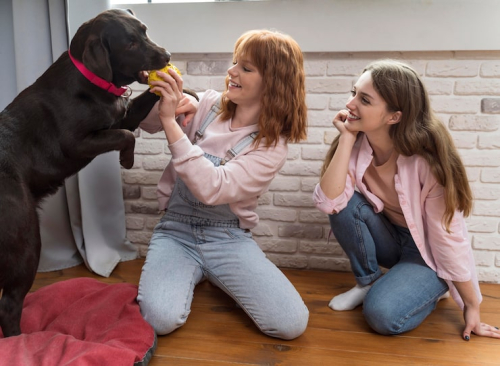
Adolescence in dogs brings a wave of change that can test even the most patient guardians. Between six months and two years of age, many young dogs experience hormonal shifts, increased independence, and a temporary dip in focus that makes previously reliable behaviors feel forgotten. For pet parents in bustling San Francisco neighborhoods from the energetic streets of the Mission District to the hills of Bernal Heights this stage often marks a critical transition point where consistent guidance becomes essential.
PrimePaw’s Adolescent Academy offers a structured, professional approach designed specifically for this challenging phase. The program helps young dogs rebuild reliability in core manners while channeling their growing energy into positive outlets, strengthening the human-canine bond along the way.
Your dog’s daily struggles pulling, mealtime anxiety, or reactivity don’t just cause stress, they chip away at the joy of being together. At Prime Paw, our positive reinforcement-based programs meet your dog where they are and build confidence, connection, and real skills. Our tailored programs in-person classes, coaching, and online resources help you enjoy calmer walks, relaxed routines, and a deeper connection. Ready for lasting change? Schedule a Prime Paw consultation today!
Understanding the Canine Adolescent Phase
Dogs entering adolescence undergo significant developmental changes that mirror many aspects of human teenage years. Hormonal fluctuations and newfound confidence can lead to behaviors such as stubbornness, selective listening, excessive chewing, or testing boundaries through ignoring cues they once followed eagerly.
This period, which often spans from around eight months to two years, coincides with increased physical strength and curiosity about the world. Young dogs may push limits during walks, show reduced impulse control, or seem less motivated during training sessions. These shifts are completely natural as puppies move toward adulthood, but without proactive support they can create frustration for families navigating busy urban routines in areas like Potrero Hill or SoMa.
Recognizing these changes early allows guardians to respond with patience and strategy rather than punishment. The goal shifts from basic puppy foundations to reinforcing self-control and real-world reliability.
Dogs in this stage often experience a predictable but challenging developmental shift. According to veterinary behavioral guidance, adolescence is a period where young dogs may appear to “forget” previously learned manners due to hormonal changes, increased independence, and heightened curiosity. Consistent structure, routine reinforcement, and positive training approaches are essential for maintaining progress and preventing frustration. This approach is closely aligned with navigating dog teenage phase, which emphasizes patience, structured routines, and enrichment activities to help dogs transition smoothly into adulthood while preserving good behavior patterns.
Professional behavioral resources further highlight that adolescent dogs benefit from repeated, short training sessions, mental stimulation, and continued reinforcement of foundational cues such as sit, stay, and recall. This stage is not regression but rather a developmental test of consistency and learning resilience. Implementing structured routines and enrichment activities, as outlined in adolescent puppy training strategies, helps channel energy productively while strengthening impulse control and improving long-term obedience outcomes.
Why Traditional Training Often Falls Short During Adolescence
Many dogs excel in puppy classes only to appear to regress once they hit adolescence. This isn’t usually a sign of poor earlier training but rather a reflection of the developmental stage. Increased independence and distractions in environments like Dogpatch parks or Castro District streets can make focus more difficult.
Standard obedience refreshers sometimes lack the intensity and real-life application needed to rebuild habits during this hormonally charged time. Short, sporadic sessions at home may not provide enough repetition or variety to overcome the adolescent drive to explore and test limits.
Professional programs tailored to this specific life stage address the gap by integrating training into dynamic, real-world scenarios. They emphasize consistency across different environments while accounting for the unique energy levels and attention spans of adolescent dogs.
Core Elements of an Effective Adolescent Academy Program
PrimePaw’s Adolescent Academy stands out by focusing on practical manners that matter most in daily San Francisco life. Sessions emphasize foundational commands sit, stay, come, leave it, and drop it practiced in progressively challenging settings that simulate real distractions.
Key components include:
- Positive Reinforcement Strategies: Rewards tailored to each dog’s motivation help rebuild focus and enthusiasm for good choices.
- Impulse Control Exercises: Activities that teach young dogs to pause and think before reacting, crucial for safe urban walking and interactions.
- Mental and Physical Enrichment: Puzzle toys, trick training, and structured play help tire energetic adolescents while reinforcing training concepts.
- Socialization in Controlled Settings: Opportunities to practice manners around other dogs and people in managed group environments.
- Crate Training Reinforcement: Providing safe structure and teaching calm settling skills that support household harmony.
These elements work together to transform temporary challenges into lasting skills.
Building Reliability Through Consistent Practice
One of the most valuable aspects of the Adolescent Academy is its emphasis on frequent, professional-led sessions. Regular repetition several times per week helps counteract the adolescent tendency to “forget” manners. Trainers work on leash manners, polite greetings, and reliable recall in environments that mirror daily life.
For families in Noe Valley or nearby areas, this means skills that transfer directly to neighborhood walks, café patios, and community spaces. Short, successful training interactions prevent frustration and rebuild confidence for both dog and guardian.
The program also addresses common adolescent behaviors like excessive chewing or boundary testing by providing appropriate outlets and clear guidance. Guardians learn techniques to redirect energy productively while maintaining household rules.
The Role of Professional Guidance in Adolescent Training
Working with experienced trainers offers advantages beyond what most home-based efforts can achieve. Professionals can spot subtle signs of disengagement or emerging issues early and adjust approaches accordingly. They provide accountability and fresh perspectives when progress feels stalled.
Group classes within the Academy create natural opportunities for dogs to practice self-regulation around distractions skills that prove invaluable in a city with vibrant public spaces. Trainers model techniques and coach guardians on implementing them consistently at home.
This collaborative approach strengthens the overall relationship. Instead of viewing adolescence as a difficult phase to endure, families learn to see it as an opportunity for deeper connection and skill-building.
Real-world Benefits for San Francisco Pet Parents
Young dogs who complete targeted adolescent training often show marked improvements in household manners, leash walking, and social interactions. Guardians report less stress during daily routines and greater enjoyment of time spent together.
The confidence gained during this period carries forward into adulthood. Dogs emerge better equipped to handle the stimulation of city living while maintaining polite behavior. Families benefit from reduced frustration and a stronger bond built through shared success.
Many participants also appreciate the community aspect. Connecting with other guardians facing similar challenges creates support networks that extend beyond the training sessions.
Long-term Impact on Canine Development
Investing in quality adolescent support sets the foundation for a well-adjusted adult dog. The self-control and manners practiced during this formative time influence behavior for years to come. Dogs learn that good choices lead to positive outcomes, creating reliable habits rather than temporary compliance.
For busy professionals and families in neighborhoods like Bernal Heights or the Mission District, having a dog with solid manners enhances quality of life. It opens doors to more activities together hikes, social outings, and relaxed time at home without constant management.
The patience and strategies learned through the Academy also equip guardians with tools for any future behavioral questions, promoting lifelong learning and adaptability.
Getting Started with Adolescent Support
If your young dog is showing signs of adolescent challenges, early intervention through a specialized program can make a significant difference. PrimePaw’s Adolescent Academy provides the structure, expertise, and consistent practice needed to navigate this phase successfully.
The program welcomes dogs of various breeds and backgrounds, tailoring approaches to individual needs while maintaining group benefits. Guardians gain practical skills they can apply immediately in their daily lives across San Francisco.
the adolescent phase doesn’t have to strain the relationship with your growing dog. With the right guidance and consistent, professional support like PrimePaw’s Adolescent Academy, this period becomes a powerful opportunity to build better manners, stronger focus, and a deeper bond. Young dogs emerge more confident and reliable, while guardians enjoy the rewards of thoughtful investment during a pivotal stage of development.
Frequently Asked Questions
What is the adolescent phase in dogs and why is training important during it?
The adolescent phase in dogs typically occurs between six months and two years of age and is marked by hormonal changes, increased independence, and fluctuating focus. During this time, dogs may appear to forget previously learned commands or test boundaries more frequently. Consistent adolescent dog training is important because it helps reinforce good manners and prevents unwanted behaviors from becoming long-term habits. With the right structure and patience, this stage can become a foundation for stronger obedience and better behavior in adulthood.
How does an adolescent dog training program like Adolescent Academy improve manners?
An adolescent dog training program such as Adolescent Academy focuses on rebuilding reliability in core commands like sit, stay, recall, and leave it through structured, repeated practice. It uses positive reinforcement, impulse control exercises, and real-world training environments to help dogs stay focused despite distractions. These programs also incorporate mental and physical enrichment to channel energy into productive behaviors. As a result, dogs develop better self-control, improved leash manners, and more consistent obedience in everyday situations.
When should I start adolescent dog training and what results can I expect?
Adolescent dog training should begin as soon as behavioral changes appear, typically around 6 to 8 months of age, to prevent regression in obedience skills. Early intervention helps address common issues like pulling on the leash, ignoring commands, or excessive chewing before they become ingrained habits. With consistent training, owners can expect improved focus, stronger recall, and more reliable manners in real-world environments. Over time, this leads to a calmer, more confident dog and a stronger bond between pet and guardian.
Disclaimer: The above helpful resources content contains personal opinions and experiences. The information provided is for general knowledge and does not constitute professional advice.
You may also be interested in: Customized Training Addresses Unique Needs of Each Puppy
Your dog’s daily struggles pulling, mealtime anxiety, or reactivity don’t just cause stress, they chip away at the joy of being together. At Prime Paw, our positive reinforcement-based programs meet your dog where they are and build confidence, connection, and real skills. Our tailored programs in-person classes, coaching, and online resources help you enjoy calmer walks, relaxed routines, and a deeper connection. Ready for lasting change? Schedule a Prime Paw consultation today!
Powered by flareAI.co