
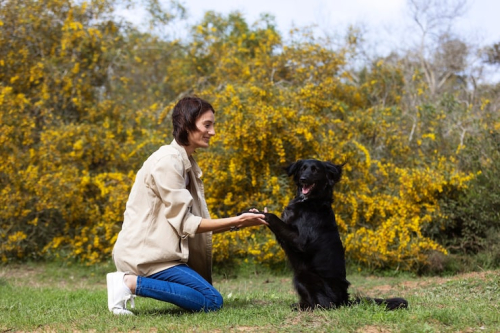
Level 1 dog training plays a critical role in shaping how a puppy or newly adopted dog understands the world, communicates with humans, and responds to everyday expectations. For first-time dog owners, foundational obedience is not just about teaching commands it is about building a structured learning environment where dogs develop confidence, predictability, and trust. This stage sets the tone for long-term behavior, especially in busy urban living environments where distractions are constant and social interactions are frequent.
Your dog’s daily struggles pulling, mealtime anxiety, or reactivity don’t just cause stress, they chip away at the joy of being together. At Prime Paw, our positive reinforcement-based programs meet your dog where they are and build confidence, connection, and real skills. Our tailored programs in-person classes, coaching, and online resources help you enjoy calmer walks, relaxed routines, and a deeper connection. Ready for lasting change? Schedule a Prime Paw consultation today!
Understanding Level 1 Dog Training Foundations
Level 1 dog training, often referred to as beginner obedience, focuses on introducing essential behaviors that every dog needs to navigate daily life. These include sit, stay, recall, leash manners, and calm engagement with people and other dogs. Rather than advanced tricks or complex behavioral corrections, this stage prioritizes clarity, consistency, and communication between dog and owner.
The goal of dog obedience foundation training is to create a shared language. Dogs learn that certain cues lead to predictable outcomes, while owners learn how to guide behavior through timing, tone, and reinforcement. This mutual understanding becomes the framework for all future training stages, from intermediate obedience to more advanced behavioral shaping.
In beginner classes, especially those designed for new owners, emphasis is placed on repetition and reinforcement. Dogs are not expected to master behaviors immediately. Instead, they gradually associate cues with actions, forming habits that become more reliable over time.
Why Early Learning Shapes Long-term Behavior
Early training during a dog’s developmental period has a measurable impact on adult behavior and adaptability. Structured exposure to learning environments helps dogs build emotional regulation and responsiveness, reducing the likelihood of common behavioral challenges later in life.
A large scientific investigation into early developmental training found that dogs enrolled in structured classes before six months of age experience significantly better long-term behavioral outcomes. These include reduced aggression, lower compulsive tendencies, fewer destructive behaviors, and improved responsiveness to cues. The findings highlight how sensitive developmental windows play a key role in shaping emotional regulation and social skills. Full details are available in research on early puppy training benefits, which emphasizes that early, reward-based instruction strengthens communication between dogs and owners while building long-term adaptability, confidence, and stability in everyday environments. This foundation is especially important in Level 1 obedience programs, where trust and clarity are established from the beginning of a dog’s learning journey.
For owners, this means that starting with puppy obedience training basics is not just about convenience it is about prevention. Early training reduces the likelihood of reinforcing unwanted behaviors such as excessive barking, leash pulling, or difficulty settling in new environments. It also strengthens the bond between dog and owner by establishing trust early in the relationship.
Core Skills Taught in Level 1 Obedience Training
The foundation of basic dog training commands is built around a small set of essential skills that translate into everyday reliability. These skills are intentionally simple but highly impactful when practiced consistently.
Sit and Stay
The sit command is often the first behavior introduced because it encourages impulse control. Stay builds on this by teaching patience and focus. Together, they help dogs learn how to pause and respond rather than react impulsively.
Recall (Coming When Called)
Recall training is one of the most important safety behaviors. A reliable recall ensures that a dog returns to their owner even in distracting environments, forming the foundation for off-leash safety and controlled freedom.
Leash Manners
Loose-leash walking is a central focus of dog training for beginners. Dogs learn not to pull, lunge, or rush ahead, making walks more enjoyable and less physically demanding for owners.
Calm Engagement
Dogs are also taught to remain calm around people, other dogs, and environmental stimuli. This includes waiting politely for greetings and settling in public or home environments without excessive excitement.
Real-world Behavior in Urban Environments
In busy city environments, foundational training becomes even more important. Dogs are constantly exposed to noise, movement, and social interaction, all of which can trigger excitement or anxiety if not properly managed.
Expert commentary on everyday canine behavior emphasizes that consistent boundaries and clear expectations help dogs navigate shared public spaces more safely and confidently. Structured obedience reduces stress responses and improves overall predictability in environments such as sidewalks, parks, and outdoor cafés. These insights align with broader discussions of dog etiquette and training importance, which highlight how foundational skills like loose-leash walking, polite greetings, and calm settling directly improve both canine welfare and public experiences. By proactively teaching these behaviors, owners reduce common issues such as leash pulling, overexcitement, and fear-based reactions, helping dogs integrate more comfortably into everyday urban life.
For new dog owners, especially those navigating active neighborhoods with frequent foot traffic and social encounters, Level 1 training helps establish predictability. A dog that understands leash expectations and basic cues is easier to manage in crowded sidewalks, public transport areas, and shared residential spaces.
This level of control is not about restriction it is about freedom through structure. A well-trained dog can safely participate in more activities because their behavior is predictable and manageable in a wide range of environments.
Positive Reinforcement as the Training Foundation
Modern obedience training emphasizes positive reinforcement as the primary method for shaping behavior. This approach focuses on rewarding desired actions rather than punishing unwanted ones, creating a learning environment based on trust and motivation.
Dogs trained using positive reinforcement are more likely to repeat behaviors that result in rewards, such as treats, praise, or play. This method strengthens the association between command and outcome, making learning more efficient and less stressful.
In structured beginner programs, reinforcement is applied consistently and immediately after the desired behavior occurs. Timing is critical, as dogs learn through association. Over time, rewards can be gradually reduced as behaviors become more reliable, transitioning into long-term habits rather than short-term responses.
Positive reinforcement also plays a role in emotional development. Dogs learn that training sessions are safe, predictable, and rewarding experiences. This reduces anxiety and increases willingness to engage, which is especially important for newly adopted dogs or puppies adjusting to new environments.
How Owners Can Reinforce Training at Home
While structured classes provide the foundation, real progress happens through daily reinforcement at home. Consistency between training sessions and home environments is what transforms learned behaviors into habits.
One of the most effective strategies is integrating commands into everyday routines. Asking a dog to sit before meals, stay before opening doors, or walk calmly on leash during short neighborhood outings reinforces training in real-world contexts.
Short, frequent practice sessions are more effective than long, infrequent ones. Dogs retain information better when learning is broken into manageable segments throughout the day. This also helps maintain engagement and prevents frustration for both dog and owner.
Owners should also focus on maintaining consistency in cues and expectations. Using the same words, gestures, and reward timing helps avoid confusion and accelerates learning. Mixed signals can slow progress and create uncertainty in behavior.
Finally, patience is essential. Every dog learns at a different pace, and progress is often gradual rather than immediate. Recognizing small improvements helps maintain motivation and reinforces a positive training mindset.
Building a Strong Foundation for Lifelong Behavior
Level 1 dog training is more than an introductory phase it is the foundation upon which all future behavior is built. By focusing on clear communication, early learning, and consistent reinforcement, owners set their dogs up for long-term success in both home and social environments.
Whether navigating busy streets, meeting new people, or simply learning to settle calmly at home, dogs benefit from structure that helps them understand expectations. For new owners, investing time in dog obedience foundation training early creates a smoother, more enjoyable relationship built on trust and mutual understanding.
With the right approach, foundational training becomes less about control and more about collaboration helping dogs become confident companions capable of thriving in everyday life.
Frequently Asked Questions
What is Level 1 dog training and how does it build obedience foundations?
Level 1 dog training is beginner obedience training that focuses on teaching essential behaviors such as sit, stay, recall, leash manners, and calm engagement. It helps establish clear communication between dogs and owners through consistency, timing, and reinforcement. This stage builds the foundation for long-term obedience by creating trust, structure, and predictable responses in everyday situations.
What basic dog training commands are taught in Level 1 obedience training?
The core commands in Level 1 dog obedience training typically include sit, stay, recall (coming when called), loose-leash walking, and calm behavior around distractions. These skills are designed to improve impulse control, safety, and everyday reliability. When practiced consistently, they help dogs understand expectations and behave appropriately in both home and public environments.
How does positive reinforcement and early puppy obedience training improve long-term behavior?
Positive reinforcement in puppy obedience training rewards desired behaviors with treats, praise, or play, encouraging dogs to repeat them. Early training before six months of age is especially effective because it takes advantage of key developmental windows for learning and emotional regulation. Together, these approaches reduce unwanted behaviors and support lifelong adaptability, confidence, and better overall obedience.
Disclaimer: The above helpful resources content contains personal opinions and experiences. The information provided is for general knowledge and does not constitute professional advice.
You may also be interested in: Dog Training San Francisco | PrimePaw | 4.9 Positive R
Your dog’s daily struggles pulling, mealtime anxiety, or reactivity don’t just cause stress, they chip away at the joy of being together. At Prime Paw, our positive reinforcement-based programs meet your dog where they are and build confidence, connection, and real skills. Our tailored programs in-person classes, coaching, and online resources help you enjoy calmer walks, relaxed routines, and a deeper connection. Ready for lasting change? Schedule a Prime Paw consultation today!
Powered by flareAI.co