
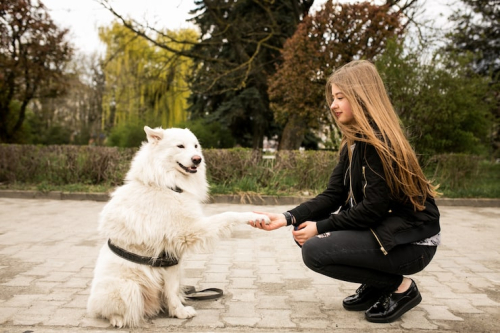
Dog owners who have already mastered basic obedience often reach a point where the real challenge begins outside the training room. Sit, stay, and come may work reliably at home, but sidewalks, crowded parks, outdoor cafés, and busy intersections introduce distractions that test a dog’s ability to stay calm, focused, and responsive. This is where advanced dog training becomes essential not as a continuation of commands, but as a shift toward real-world communication, emotional control, and consistent behavior under pressure.
Your dog’s daily struggles pulling, mealtime anxiety, or reactivity don’t just cause stress, they chip away at the joy of being together. At Prime Paw, our positive reinforcement-based programs meet your dog where they are and build confidence, connection, and real skills. Our tailored programs in-person classes, coaching, and online resources help you enjoy calmer walks, relaxed routines, and a deeper connection. Ready for lasting change? Schedule a Prime Paw consultation today!
Moving Beyond Basic Obedience Into Real-world Reliability
Basic obedience teaches structure. Advanced training builds adaptability. The difference shows up when a dog encounters unpredictability: a cyclist rushing past, another dog reacting unexpectedly, or a crowded street filled with movement and noise.
At this stage, success is less about whether a dog knows commands and more about whether they can apply them in dynamic environments. This is the foundation of real world dog manners training, where the goal is not perfection in a quiet room, but reliability in everyday life.
Programs that emphasize structured behavioral progression focus heavily on emotional regulation and decision-making. Dogs are taught not just what to do, but how to stay composed long enough to choose the right behavior, even when distractions are high.
Core Skills That Define Advanced Dog Training
Effective urban dog obedience training is built on a few essential behavioral pillars that go beyond standard commands. These include impulse control, recall reliability, leash responsiveness, and the ability to focus amid distractions.
Impulse control training helps dogs manage excitement when faced with stimuli such as food, other animals, or movement in public spaces. Instead of reacting immediately, dogs learn to pause, process, and respond appropriately. This is especially important in busy neighborhoods where overstimulation is constant.
Recall training becomes significantly more complex outside controlled environments. A dog that returns instantly indoors may hesitate in a park filled with scents, people, and other dogs. Advanced training reinforces recall as a habit rather than a conditional response.
Leash manners training is another key component. Dogs must learn to walk without pulling, even when distractions are unavoidable. This skill transforms daily walks from stressful experiences into structured, enjoyable routines for both dog and owner.
Finally, distraction training builds mental resilience. Dogs are gradually exposed to increasingly challenging environments so they learn to maintain focus and responsiveness even when their surroundings compete for attention.
Training Games That Build Real-world Behavior
Incorporating engaging training games into advanced programs significantly boosts a dog’s ability to demonstrate strong manners and self-control in real-world situations. Activities designed to improve loose-leash walking, emotional regulation during excitement, reliable recall even with distractions, and focus amid chaos help translate classroom learning into practical behaviors that owners can rely on during daily life. These methods emphasize positive reinforcement and mental stimulation, which not only curb unwanted behaviors like pulling or jumping but also build a dog’s confidence and decision-making abilities in dynamic environments such as busy streets, parks, or homes with visitors. By practicing in progressively challenging scenarios, dogs learn to ignore distractions, respond promptly to cues, and maintain composure, leading to safer and more enjoyable outings for everyone involved. This approach strengthens the partnership between dog and owner through fun, interactive sessions that reinforce communication and teamwork. For dogs of all ages, such training prevents boredom-related issues, supports physical and mental health, and equips them to handle the unpredictability of urban living or family adventures. The result is a more polite, adaptable companion who integrates seamlessly into various social and public settings, reducing frustration and enhancing the overall quality of life shared between pets and their people.
One of the most effective approaches to advanced development is the use of structured training games. These activities transform repetition into engagement, helping dogs build skills through play rather than pressure. According to training games for real-world skills, interactive exercises that simulate real-life challenges help dogs develop stronger focus, emotional regulation, and reliable responses in distracting environments.
These games are designed to mirror everyday scenarios. For example, a dog may practice staying calm while excitement builds around them or learn to respond to cues while movement and noise occur nearby. Over time, this method strengthens a dog’s ability to remain composed in real-world situations such as busy sidewalks or public parks.
What makes this approach particularly effective is its emphasis on positive reinforcement dog training techniques. Instead of punishing unwanted behavior, dogs are rewarded for making the right choices. This reinforces confidence and encourages long-term behavioral consistency rather than short-term compliance.
Training games also improve the human-dog relationship. Owners become active participants in structured play, strengthening communication and trust. This partnership becomes the foundation for more reliable behavior outside training sessions.
Structured Behavioral Programs and Public Manners
Advanced dog training programs that emphasize real-world skills like polite greetings, loose-leash walking, staying calm amid distractions, and reliable recall play a crucial role in developing well-mannered dogs who thrive in everyday environments. These structured approaches go beyond basic commands to build emotional self-control, confidence in public settings, and strong handler-dog communication, allowing dogs to navigate crowds, noises, other animals, and novel situations with composure. Owners who invest in such training often notice significant improvements in their dog’s ability to remain focused and responsive during neighborhood walks, visits to parks, or family outings, reducing common issues like pulling, jumping on people, or reacting fearfully to stimuli. This foundation not only enhances safety by ensuring dogs respond promptly to cues in unpredictable scenarios but also strengthens the human-canine bond through shared successes and consistent positive reinforcement. For urban dwellers and active families, these skills translate directly into greater freedom and enjoyment, as trained dogs become welcome participants in community activities rather than sources of stress. Moreover, progressing to advanced levels prepares dogs for therapy work, sports, or simply being reliable companions who enrich daily life without behavioral friction. The emphasis on practical application in varied contexts helps prevent problem behaviors from escalating, promotes mental stimulation that keeps dogs engaged and happy, and supports long-term behavioral health by equipping both dog and owner with tools for ongoing success.
Beyond games, structured programs like the Canine Good Citizen framework help formalize advanced behavioral expectations. The Canine Good Citizen program focuses on practical skills such as polite greetings, loose-leash walking, calm behavior in public settings, and responsiveness to handler cues.
These programs emphasize real-world readiness rather than isolated obedience. Dogs are evaluated on how they behave in environments that simulate everyday life crowded spaces, unfamiliar surroundings, and situations with controlled distractions.
One of the most valuable outcomes of structured training is improved emotional control. Dogs learn to manage excitement, frustration, and uncertainty without defaulting to reactive behaviors such as jumping, pulling, or barking.
Owners often notice that consistent participation in structured programs leads to smoother outings and more predictable behavior in social environments. The focus on public behavior dog training ensures that skills are transferable beyond training sessions and into everyday routines.
Applying Advanced Training in Urban Environments
Urban environments present unique challenges for dog behavior development. Busy intersections, dense foot traffic, outdoor dining areas, and constant sensory stimulation create conditions where even well-trained dogs can struggle to maintain focus.
In these environments, distraction training becomes essential. Dogs must learn to process multiple stimuli without becoming overwhelmed or reactive. This is particularly important for owners who regularly walk their dogs through busy commercial or residential districts where unpredictability is constant.
Neighborhood walks in areas with high activity levels require dogs to consistently apply leash manners, recall awareness, and impulse control. Without these skills, simple activities like walking to a local park can become stressful for both dog and owner.
Advanced training helps bridge this gap by simulating real-world complexity during controlled sessions. Over time, dogs become more capable of handling similar conditions independently, reducing behavioral issues in public spaces.
Practical Strategies for Consistent Behavior Development
Consistency is one of the most important factors in successful advanced training. Dogs learn through repetition, clarity, and reinforcement. Without structure, even well-designed training methods lose effectiveness.
Short, focused sessions tend to produce better results than long, repetitive drills. Dogs maintain engagement more effectively when training feels varied and interactive. Incorporating structured play, reward-based reinforcement, and gradually increasing difficulty helps maintain motivation while building skill.
Positive reinforcement remains central to long-term success. Rewarding desired behavior strengthens neural associations, making it more likely that dogs will repeat those behaviors in real-world settings. This is especially important for impulse control and recall training, where timing and consistency matter significantly.
Owners should also prioritize gradual exposure to distractions. Introducing new environments slowly allows dogs to build confidence without becoming overwhelmed. Each successful experience reinforces adaptability, which is essential for reliable public behavior.
Building Long-term Reliability Through Advanced Training
Long-term behavioral success depends on more than memorized commands. It requires a dog to develop decision-making skills, emotional regulation, and confidence in unfamiliar situations. Advanced training achieves this by combining structured exercises, real-world simulation, and consistent reinforcement.
As dogs progress through more complex scenarios, they become better equipped to handle the unpredictability of everyday life. Whether walking through a crowded street, visiting a park, or encountering unexpected stimuli, trained dogs are more likely to remain calm and responsive.
For owners, this translates into safer, more enjoyable outings and a stronger bond built on mutual understanding. The transition from basic obedience to advanced behavioral reliability is not just about control it is about creating a shared language that works in real-world conditions.
When training is approached with consistency, patience, and structured progression, dogs develop the skills needed to thrive in dynamic environments. The result is a companion who is not only well-behaved at home but genuinely adaptable in the world beyond it.
Frequently Asked Questions
What is advanced dog training and how does it improve real-world dog manners?
Advanced dog training goes beyond basic obedience by focusing on real-world dog manners in distracting environments. It emphasizes skills like impulse control, reliable recall, leash manners, and emotional regulation so dogs can respond appropriately outside the home. This helps dogs stay calm and responsive in busy settings such as streets, parks, and cafés. The goal is long-term behavioral reliability rather than simple command repetition.
How do training games improve urban dog obedience training and impulse control?
Training games play a key role in improving urban dog obedience training by turning learning into structured, engaging activities. These games reinforce impulse control, focus, and calm behavior in high-distraction environments while using positive reinforcement techniques. According to AKC-based methods, they help dogs build confidence and better decision-making skills through real-world simulation. This leads to more consistent behavior during walks and public outings.
What is the Canine Good Citizen program and why is it important for public behavior dog training?
The Canine Good Citizen program is a structured evaluation that promotes essential public behavior dog training skills such as polite greetings, loose-leash walking, and calm behavior around distractions. It helps formalize real-world readiness by testing how dogs behave in everyday situations rather than controlled environments. This improves emotional control and strengthens communication between dogs and owners. Ultimately, it prepares dogs to be well-mannered companions in community settings.
Disclaimer: The above helpful resources content contains personal opinions and experiences. The information provided is for general knowledge and does not constitute professional advice.
You may also be interested in: National Train Your Dog Month: Tips, Benefits and Building Trust
Your dog’s daily struggles pulling, mealtime anxiety, or reactivity don’t just cause stress, they chip away at the joy of being together. At Prime Paw, our positive reinforcement-based programs meet your dog where they are and build confidence, connection, and real skills. Our tailored programs in-person classes, coaching, and online resources help you enjoy calmer walks, relaxed routines, and a deeper connection. Ready for lasting change? Schedule a Prime Paw consultation today!
Powered by flareAI.co