
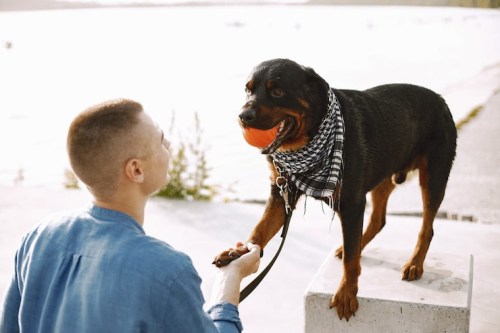
Choosing the right approach to dog training for recall and off-leash reliability is less about quick obedience tricks and more about building communication, trust, and consistency between dog and handler. For many owners, especially those balancing busy urban routines, the goal is not just a dog that “listens,” but one that reliably checks in, responds under distraction, and can eventually enjoy safe freedom in open environments. Achieving that level of responsiveness requires structured training, the right reinforcement methods, and an understanding of how foundational leash skills translate into off-leash success.
Your dog’s daily struggles pulling, mealtime anxiety, or reactivity don’t just cause stress, they chip away at the joy of being together. At Prime Paw, our positive reinforcement-based programs meet your dog where they are and build confidence, connection, and real skills. Our tailored programs in-person classes, coaching, and online resources help you enjoy calmer walks, relaxed routines, and a deeper connection. Ready for lasting change? Schedule a Prime Paw consultation today!
Why Recall Is the Foundation of Off-leash Confidence
Recall often taught as the “come” cue is widely considered one of the most important behaviors for canine safety and independence. It directly impacts a dog’s ability to navigate unpredictable environments while staying connected to their handler. Early training emphasizes starting in low- distraction environments and gradually increasing complexity so the dog learns that returning is always the most rewarding option.
Effective recall training is built on short, engaging sessions and consistent reinforcement. As highlighted in professional training guidance, beginning with close-range practice using high-value rewards helps dogs understand the behavior before distance and distractions are introduced. This progressive method ensures reliability develops naturally rather than being forced under pressure, as noted in expert tips for teaching recall.
The latest guidance on training emphasizes realistic expectations and communication-focused learning rather than perfection. The recall cue (“come”) is considered alongside basic commands like “sit” because of its direct safety implications in real-world situations. Training typically begins at close range with high-value rewards, gradually increasing distance and introducing mild distractions. Short sessions of around 10 to 15 minutes help maintain engagement, while structured socialization builds resilience by exposing dogs to varied environments in a controlled and positive way. Over time, this methodical progression helps dogs generalize recall across contexts, strengthening reliability and deepening the bond between handler and dog.
For dog owners aiming for off-leash readiness, recall is not an isolated command it is the behavioral anchor that supports every other aspect of freedom-based training, from park exploration to safe urban outings.
Building Strong Leash Foundations Before Off-leash Work
Before off-leash reliability can be achieved, leash behavior must be consistent and calm. Dogs that pull or struggle on leash often lack the structured communication needed for more advanced training stages. Instead of viewing leash manners as a limitation, modern training approaches treat them as the groundwork for focus and engagement.
Practical leash training methods emphasize predictable routines and equipment that helps redirect attention back to the handler. Tools such as front-clipping harnesses and dual-handle leashes are commonly used to support this learning process, especially during early-stage training or high-distraction walks. These tools help create clearer communication without relying on force or correction, as explained in building foundations for off-leash freedom.
Guidance on leash training highlights that pulling often stems from insecurity or overstimulation in new environments, making consistency and proper equipment essential for rebuilding focus. Front-clipping harnesses can gently redirect a dog’s forward motion back toward the handler, while dual-handle leashes provide closer control during training moments without creating discomfort. These supports work best when paired with predictable routines, short practice sessions, and reward-based reinforcement such as treats or structured play. Over time, these methods help establish impulse control and attention habits that directly support later off-leash reliability.
When leash walking becomes structured and predictable, dogs begin to develop impulse control. This control is essential when transitioning to environments where physical restraint is reduced and verbal cues take priority.
How Recall Training Develops Step by Step
Effective recall training follows a gradual progression that builds confidence in both dog and handler. The process typically begins in quiet environments with minimal distractions. Dogs are encouraged to return frequently and are rewarded for doing so, reinforcing the idea that responding to the handler is always beneficial.
As training progresses, distance and distractions are introduced slowly. The goal is not speed but reliability ensuring the dog can maintain focus even when more stimulating elements are present. Short training sessions help maintain engagement without overwhelming the dog, making learning more sustainable over time.
Professional guidance often becomes valuable at this stage, particularly when owners encounter inconsistent responses or environmental challenges. Structured training programs help tailor techniques to individual dogs, ensuring that progression remains steady and achievable, as outlined in expert tips for teaching recall.
Tools and Techniques That Support Better Communication
The right equipment plays an important role in shaping training outcomes. Rather than acting as shortcuts, tools like harnesses and dual-handle leashes are designed to improve communication clarity between dog and handler. A properly fitted front-clip harness can redirect a dog’s forward momentum back toward the handler, helping reduce pulling behavior during walks.
Similarly, dual-handle leashes allow for more precise control in training environments where close guidance is necessary. This added control is especially useful in early training stages, where consistency and proximity help reinforce desired behaviors. These methods are part of a broader positive reinforcement approach that prioritizes reward-based learning over correction-based systems.
Training systems that incorporate supportive equipment create smoother learning transitions. Instead of relying on restraint, they encourage dogs to make better behavioral choices through clearer physical and verbal cues, as described in building foundations for off-leash freedom.
Consistency, Reinforcement, and Real-world Practice
One of the most important aspects of recall and off-leash training is consistency. Dogs learn through repetition and predictable outcomes, which means every successful recall strengthens long-term reliability. Reinforcement must remain meaningful, especially in early stages where competing distractions are high.
Short daily sessions are often more effective than infrequent long ones, as they maintain engagement without fatigue. Incorporating training into everyday routines such as structured walks or controlled play sessions helps reinforce learning in real-world contexts.
Socialization also plays a key role. Exposing dogs gradually to different environments, sounds, and people builds resilience and reduces reactivity. This exposure must be carefully managed to ensure positive associations are formed, particularly during foundational training phases, as highlighted in expert tips for teaching recall.
Common Mistakes That Slow Recall Progress
Many recall challenges stem from inconsistent reinforcement or progressing too quickly through training stages. A common issue is practicing recall only in low-value environments and expecting the same response in highly stimulating situations. Without gradual exposure, dogs struggle to generalize behavior across contexts.
Another frequent mistake is using recall only when it is convenient for the owner, rather than reinforcing it as a consistently rewarding behavior. This can weaken response reliability over time. Similarly, overly long training sessions can reduce engagement and lead to confusion or fatigue.
Correcting these issues requires returning to foundational steps: short sessions, clear cues, and consistent rewards. This structured approach helps rebuild trust in the command and strengthens long-term responsiveness.
Choosing the Right Training Approach for Long-term Success
Selecting a dog training program for recall and off-leash skills is ultimately about alignment between method, consistency, and lifestyle. Effective programs prioritize communication-based learning, gradual progression, and practical real-world application rather than rigid obedience frameworks.
Owners should look for training approaches that emphasize relationship-building, structured progression, and positive reinforcement techniques. These elements ensure that recall is not just a command the dog performs in controlled settings, but a reliable behavior that holds up in everyday environments from quiet walks to more dynamic public spaces.
For many dog owners, the most successful outcomes come from combining professional guidance with at-home consistency. When training is approached as an ongoing process rather than a fixed milestone, recall becomes a dependable behavior that supports both safety and freedom.
Off-leash readiness is ultimately the result of layered training decisions made over time. With the right foundation, clear communication, and patient reinforcement, dogs can develop the confidence and reliability needed to move safely between structured control and real-world exploration.
Frequently Asked Questions
What is the best way to train a dog for reliable recall and off-leash behavior?
The best approach to recall training and off-leash reliability is a gradual, reward-based process that starts in low-distraction environments. Dogs should be reinforced heavily for returning to the handler before distance and distractions are added slowly. Short, consistent training sessions help maintain focus and prevent overwhelm. Over time, this builds dependable recall that holds up in real-world settings.
How does leash training help with off-leash recall training for dogs?
Leash training forms the foundation for off-leash reliability by teaching impulse control and structured communication between dog and handler. Tools like front-clip harnesses and dual-handle leashes help redirect attention and reduce pulling during walks. These methods reinforce focus and responsiveness in controlled settings. Strong leash manners make it easier for dogs to transition to reliable off-leash behavior.
What are common mistakes in dog recall training that prevent off-leash reliability?
Common mistakes include progressing too quickly into distracting environments before the dog is ready. Many owners also fail to consistently reward recall or only use the cue when it is convenient. Overly long training sessions can reduce engagement and lead to confusion or fatigue. These issues weaken reliability and slow down off-leash progress.
Disclaimer: The above helpful resources content contains personal opinions and experiences. The information provided is for general knowledge and does not constitute professional advice.
You may also be interested in: Building Resilient Dogs Through Early Positive Experiences
Your dog’s daily struggles pulling, mealtime anxiety, or reactivity don’t just cause stress, they chip away at the joy of being together. At Prime Paw, our positive reinforcement-based programs meet your dog where they are and build confidence, connection, and real skills. Our tailored programs in-person classes, coaching, and online resources help you enjoy calmer walks, relaxed routines, and a deeper connection. Ready for lasting change? Schedule a Prime Paw consultation today!
Powered by flareAI.co