
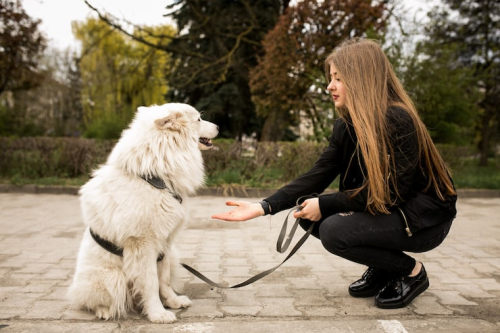
Choosing the right trainer for a reactive dog stands out as one of the most consequential decisions a pet guardian can make. Daily walks that should bring joy and exercise instead become sources of tension when a dog reacts strongly to other animals, people, or novel surroundings. The right professional brings clarity, structure, and proven techniques that help both dog and owner move forward together. This process involves understanding the behavior itself, recognizing the different levels of expertise available, and evaluating candidates with clear criteria so the partnership supports meaningful, lasting improvement.
Your dog’s daily struggles pulling, mealtime anxiety, or reactivity don’t just cause stress, they chip away at the joy of being together. At Prime Paw, our positive reinforcement-based programs meet your dog where they are and build confidence, connection, and real skills. Our tailored programs in-person classes, coaching, and online resources help you enjoy calmer walks, relaxed routines, and a deeper connection. Ready for lasting change? Schedule a Prime Paw consultation today!
Understanding Reactivity in Dogs
Reactivity typically shows itself through intense barking, lunging, or pulling on the leash in response to common triggers such as other dogs or unfamiliar people. These reactions arise from emotions like fear, frustration, or insufficient self-control rather than any deliberate intent to cause harm. The resulting state of high arousal interferes with the dog’s ability to absorb new information or respond to cues in the moment, which is why management and training must work in tandem.
In everyday settings, reactivity can limit where owners feel comfortable taking their dogs and reduce opportunities for positive social experiences. Over time, repeated exposure without intervention may strengthen the pattern, making previously manageable situations more challenging. Early recognition allows owners to intervene before the behavior becomes deeply ingrained. Understanding dog reactivity highlights that prevention through thoughtful socialization and emotional regulation training offers the strongest foundation, while established cases benefit from structured professional programs that combine trigger avoidance with skill development.
Reactivity in dogs often manifests as intense barking, lunging, or pulling on the leash in response to everyday stimuli like other dogs or strangers, driven by emotions such as fear, frustration, or lack of self-control rather than outright intent to harm. Distinguishing this from true aggression is key when seeking professional help, as reactivity stems from heightened arousal that makes learning difficult in the moment. Effective management begins with prevention through early socialization and emotional regulation training, but for established cases, consulting qualified professionals like certified behavior consultants or veterinary behaviorists is recommended. These experts guide owners through structured programs involving management to avoid triggers, positive reinforcement training with techniques like desensitization and counterconditioning, and improved body language reading to intervene early. Ruling out medical issues with a vet is a vital first step. Choosing a trainer experienced in reactivity ensures the use of humane methods that focus on building confidence and teaching incompatible behaviors, such as focusing on the owner instead of the trigger. Progress requires consistency, owner participation, and realistic expectations, as changes take time and may include setbacks. The right professional helps transform stressful walks into manageable outings, reducing risk of escalation while enhancing the human-dog relationship through better communication and mutual understanding.
Distinguishing Reactivity From Aggression
Although the visible behaviors of reactivity and aggression can appear similar at first glance, their underlying drivers and appropriate responses differ significantly. Reactivity centers on emotional overload triggered by specific stimuli, whereas aggression involves protective or harmful intent. Accurate differentiation guides the choice of interventions and prevents the application of mismatched strategies that could worsen outcomes or delay progress.
Professional assessment provides this clarity. An experienced evaluator examines the dog’s full history, body language, and specific trigger responses to determine whether the behavior reflects fear-based reactivity or requires additional safeguards. This distinction shapes every subsequent decision, from management protocols to the selection of training methods that build confidence rather than simply suppress symptoms. Owners who gain this understanding early avoid common pitfalls and set realistic goals tailored to their dog’s actual needs.
When Professional Support Becomes the Practical Choice
Basic obedience classes or self-directed efforts sometimes produce limited results with reactive dogs because the emotional component of the behavior requires specialized handling. Without expert guidance, owners may unintentionally reinforce the very responses they hope to reduce or miss subtle opportunities to teach alternative behaviors. Structured programs address both the immediate management of triggers and the longer-term development of coping skills for the dog and communication skills for the guardian.
The benefits extend well beyond fewer outbursts on walks. Effective professional support helps the dog learn to orient toward the owner or perform incompatible behaviors when triggers appear, reducing the intensity and frequency of reactions over time. Guardians simultaneously develop the ability to read early body language signals and intervene calmly. This dual focus lowers stress for everyone involved and strengthens the relationship through clearer, more consistent interactions. For many households, investing in qualified help transforms a source of daily friction into an opportunity for deeper connection and shared confidence.
Navigating Different Levels of Canine Behavior Expertise
The landscape of professional support includes trainers and specialists with distinct training and scopes of practice. Certified Professional Dog Trainers (CPDTs) meet established standards in canine behavior knowledge, learning theory, and hands-on teaching skills. These professionals often provide excellent results for many reactive dogs when the issues remain within manageable bounds and the primary needs center on practical skill-building and management strategies.
More complex presentations involving intense fear, frustration, or potential aggression frequently call for deeper expertise. Certified Applied Animal Behaviorists (CAABs or ACAABs) hold advanced academic credentials in animal behavior, while veterinary behaviorists carry the Dip ACVB designation and can incorporate medical considerations into behavior plans. These specialists create customized modification programs, often centered on desensitization and counterconditioning techniques precisely matched to the individual dog’s triggers and emotional profile. Professional behavior help guidelines stress the importance of matching the professional’s experience level to the dog’s specific situation and verifying that methods prioritize positive reinforcement and trust-building over suppression.
Selecting the right professional for a reactive dog involves understanding the different levels of expertise available in the pet behavior field. Trainers offer a range of skills, but for dogs showing intense emotional responses like barking, lunging, or heightened arousal toward triggers, it is wise to look for those with specialized certifications such as Certified Professional Dog Trainers (CPDTs). These professionals have met standards in knowledge of canine behavior, learning theory, and practical teaching skills. For more complex cases involving fear, frustration, or potential aggression, Certified Applied Animal Behaviorists (CAABs or ACAABs) with advanced degrees in animal behavior or veterinary behaviorists (Dip ACVB) provide deeper expertise. These specialists can create customized behavior modification plans, often incorporating desensitization and counterconditioning techniques tailored to the dog’s specific triggers and emotional state.
When evaluating candidates, pet parents should interview multiple professionals, inquire about their methods prioritizing positive reinforcement approaches that build confidence and trust rather than suppression and request references from past clients dealing with similar issues. Rule out medical causes first with a veterinarian, as pain or underlying health problems can exacerbate reactivity. The process emphasizes matching the professional’s experience to the dog’s needs, ensuring the chosen expert uses humane, science-based methods that empower both dog and guardian to navigate challenging situations more calmly. This careful selection supports long-term success by addressing root causes and teaching alternative behaviors, ultimately improving quality of life for reactive dogs and their families.
Essential Qualities of an Effective Reactive Dog Trainer
Formal credentials represent only one dimension of suitability. The strongest professionals bring extensive direct experience working with reactive dogs and demonstrate a clear philosophy centered on humane, science-based techniques. They design management plans that minimize opportunities for the dog to practice unwanted behaviors while creating frequent, low-pressure opportunities for successful learning and confidence building.
Communication skills matter equally. An effective trainer explains concepts in plain language, sets collaborative goals with the owner, and treats the guardian as an essential partner rather than a passive observer. They emphasize positive reinforcement approaches that help the dog form new emotional associations with previously difficult situations. Techniques that teach incompatible behaviors, such as focusing on the owner or offering a known cue, give the dog functional alternatives that gradually replace reactive patterns.
Realistic expectations form another hallmark of quality support. Progress with reactivity unfolds over weeks and months rather than days, and skilled professionals prepare owners for plateaus and occasional setbacks as normal parts of the learning process. They also insist on veterinary evaluation to rule out medical contributors, recognizing that pain or underlying health issues can amplify reactive responses and must be addressed alongside behavior work.
Evaluating Candidates and Asking the Right Questions
Begin by identifying professionals who explicitly work with reactive dogs and who describe their methods as positive, force-free, or relationship-based. Review their websites, client feedback, and any available case examples to understand their approach and results with similar situations. Schedule initial consultations with a small number of strong candidates, approaching each meeting as a two-way evaluation of fit.
Prepare specific questions about their experience with reactivity cases comparable to yours, the structure and timeline of their programs, how they handle management versus training, and what ongoing owner participation looks like. Ask how they measure progress, what happens during setbacks, and how they incorporate veterinary input when needed. Request references from recent clients who faced similar challenges and take the time to speak with those individuals about their experiences and outcomes.
During any in-person or virtual assessment, observe how the professional interacts with your dog and with you. Notice whether they prioritize safety, minimize stress, and explain their observations and recommendations clearly. The best partnerships feel collaborative from the start, with both parties aligned on goals, methods, and realistic expectations for the work ahead.
Committing to the Process and Measuring Long-term Success
Meaningful change in reactive behavior requires consistent effort from the owner as well as the dog. The most successful outcomes emerge when guardians actively participate in management, practice new skills between sessions, and maintain realistic perspectives on the pace of progress. Initial phases often emphasize preventing rehearsal of reactive responses while building foundational calm behaviors. Later stages gradually introduce controlled exposure to triggers paired with positive outcomes.
Setbacks occur even in well-designed programs and provide valuable information rather than evidence of failure. Skilled professionals help owners interpret these moments and adjust strategies accordingly. Over time, many dogs show reduced intensity and frequency of reactions, greater resilience in previously challenging situations, and improved overall confidence. Guardians frequently report that walks become enjoyable again, social opportunities expand, and the daily relationship with their dog feels more relaxed and rewarding.
Selecting the right professional ultimately represents an investment in quality of life for both dog and owner. By approaching the decision with clear criteria, thorough evaluation, and commitment to the collaborative process, guardians give their dogs the best possible foundation for calmer, more confident living while strengthening the bond that makes the partnership worthwhile.
Frequently Asked Questions
How do I choose the right trainer for a reactive dog?
Look for a trainer who has direct experience working with reactive dogs and uses humane, science-based methods such as positive reinforcement. Certifications like CPDT can indicate solid knowledge of learning theory and behavior, but experience with reactivity cases is equally important. The best trainers also use techniques like desensitization and counterconditioning while involving the owner as an active partner in the process. Always ensure they recommend a veterinary check first to rule out medical contributors to behavior.
What is the difference between dog reactivity and aggression?
Dog reactivity is typically an emotional response to triggers such as other dogs, people, or environments, often driven by fear, frustration, or over-arousal. Aggression, on the other hand, is more associated with intent to cause harm or protect resources. While both can look similar through barking or lunging, their underlying motivations and treatment approaches differ significantly. Proper identification is essential because reactivity is usually addressed through behavior modification and emotional regulation training rather than control-based methods.
When should I hire a certified behaviorist or professional trainer for a reactive dog?
You should seek professional help when your dog’s reactivity makes walks stressful, unsafe, or difficult to manage on your own. Certified professionals such as CPDT trainers, CAABs, or veterinary behaviorists (Dip ACVB) are especially important for severe fear-based behavior or potential aggression. They can design structured behavior modification plans that include management strategies and controlled exposure to triggers. Early intervention often leads to better long-term outcomes and prevents the behavior from becoming more ingrained.
Disclaimer: The above helpful resources content contains personal opinions and experiences. The information provided is for general knowledge and does not constitute professional advice.
You may also be interested in: Addressing Separation Anxiety Through Positive Reinforcement Techniques
Your dog’s daily struggles pulling, mealtime anxiety, or reactivity don’t just cause stress, they chip away at the joy of being together. At Prime Paw, our positive reinforcement-based programs meet your dog where they are and build confidence, connection, and real skills. Our tailored programs in-person classes, coaching, and online resources help you enjoy calmer walks, relaxed routines, and a deeper connection. Ready for lasting change? Schedule a Prime Paw consultation today!
Powered by flareAI.co