
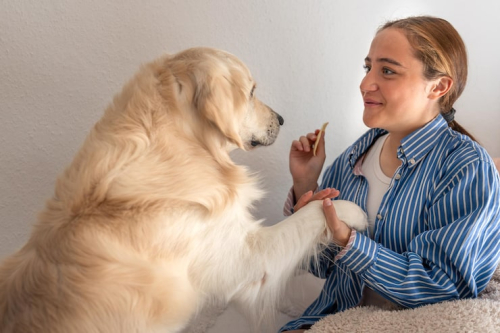
Puppies arrive into their new world full of curiosity and boundless energy, but early experiences shape how they navigate life with their families. In San Francisco’s vibrant neighborhoods, where families juggle urban adventures, busy schedules, and community outings, raising a well-behaved puppy can feel like a daily challenge. The good news is that targeted positive reinforcement training during these formative weeks creates dogs who are confident, polite, and ready to thrive alongside their humans.
Building confidence and manners from the start reduces the risk of reactive behaviors later on, such as jumping on guests, nipping at ankles, or anxiety around noises and crowds. For new puppy owners in places like the Mission District, Dogpatch, or Bernal Heights, this foundation means smoother park visits, easier family gatherings, and a stronger bond with their companion. Early intervention pays dividends that last a lifetime.
Your dog’s daily struggles pulling, mealtime anxiety, or reactivity don’t just cause stress, they chip away at the joy of being together. At Prime Paw, our positive reinforcement-based programs meet your dog where they are and build confidence, connection, and real skills. Our tailored programs in-person classes, coaching, and online resources help you enjoy calmer walks, relaxed routines, and a deeper connection. Ready for lasting change? Schedule a Prime Paw consultation today!
The Science-backed Foundation: Socialization and Positive Reinforcement
Research from Duke University’s Puppy Kindergarten program shows that structured early training programs can significantly shape a dog’s temperament and future capabilities. Puppies engaged in controlled play, learning to sit politely, walk calmly on a leash, and navigate social interactions develop greater adaptability and resilience. These experiences help young dogs associate new environments, people, and challenges with positive outcomes, fostering confidence rather than fear or avoidance.
Similarly, the American Kennel Club emphasizes that proper socialization during a puppy’s first three months plays a foundational role in developing a happy, confident, and well-mannered dog capable of navigating diverse situations with ease. Starting from the breeder’s early gentle handling and continuing at home, exposing puppies to a wide array of people, sounds, textures, and environments in a positive way helps them form resilient temperaments.
At PrimePaw, science-based positive reinforcement dog training in San Francisco makes this practical. By focusing on rewards, consistency, and gentle guidance, trainers help puppies view novelty as exciting rather than intimidating. This approach stands out in local training scenes, where many families seek humane methods that respect both the pup and the family routine.
The latest research from Duke University’s Puppy Kindergarten program demonstrates how structured early training programs can significantly shape a dog’s temperament and future capabilities. Puppies engaged in controlled play, learning to sit politely, walk calmly on a leash, and navigate social interactions develop greater adaptability and resilience. These experiences help young dogs associate new environments, people, and challenges with positive outcomes, fostering confidence rather than fear or avoidance. For new puppy owners, this underscores the value of programs that combine group interactions with guided learning, as they not only teach foundational manners like polite greetings and focus but also build emotional security. Positive reinforcement techniques used in such settings encourage puppies to explore and engage willingly, reducing the likelihood of later behavioral issues. This approach aligns closely with helping puppies thrive by creating predictable, rewarding experiences that strengthen their ability to handle real-world situations. Owners participating in similar early intervention see puppies that are more outgoing, less reactive, and better equipped for everyday life, from busy streets to family gatherings. The emphasis on early, consistent engagement during the first few months pays dividends in creating well-adjusted companions who feel secure in their surroundings and responsive to their humans.
Building Puppy Manners Through Gentle Exposure
One of the the most effective ways to instill manners is through gradual, positive exposure. In busy San Francisco life whether walking through the Castro District or exploring Potrero Hill parks puppies need to learn how to greet people politely and respond calmly to distractions. Trainers teach this by pairing cues like “sit” with high-value treats, turning basic commands into instinctive habits.
Public outings and supervised puppy classes once vaccinations are complete become powerful tools. These settings allow puppies to practice polite greetings and self-control in real-world conditions. Guardians involved in these early efforts see puppies mature into adaptable adults who respond reliably, whether at home or out in the community.
Positive reinforcement puppy training works because it builds trust. Instead of scolding or correcting, trainers celebrate small wins a calm “settle” during a vet visit or a soft “leave it” when a squirrel appears. Over time, these habits create dogs that feel secure in their environment and eager to please their humans.
Creating a Fear-free Foundation for Long-term Confidence
Every puppy experiences the world differently, and some may need extra support to feel safe. Fear-free techniques, such as gradual desensitization, help puppies overcome mild anxieties without force. By pairing scary stimuli like busy sidewalks or new sounds with positive experiences and rewards, owners help their pups rewire their responses.
Programs like those explored at Duke University highlight how targeted socialization and basic skill-building activities during the critical developmental window can prevent future behavioral issues. New puppy owners benefit most when they combine group interactions with guided learning, creating emotional security that lasts.
In the fast-paced city environment, where urban adventures are part of daily life, these fear-free strategies ensure puppies don’t grow reactive to everyday triggers. The result is a companion who explores confidently and interacts harmoniously with family, friends, and neighbors.
Local Opportunities: Puppy Training Options in San Francisco
San Francisco offers diverse training environments tailored to busy puppy owners. From weekly socialization socials to structured group programs, options exist that fit varied schedules and budgets. Families in the SoMa, Noe Valley, or Dogpatch often choose group settings for the social learning and community aspect.
- Puppy Socials: Safe, low-pressure sessions for under-vaccinated puppies featuring gentle exposure to other dogs and people, plus guardian education.
- Puppy Kindergarten: Structured play groups and settling hours for vaccinated puppies ready to explore the world, building social confidence and focus.
- Private and In-home Sessions: Flexible support for specific needs, such as leash manners or crate training, delivered in the comfort of your own space.
These programs emphasize positive reinforcement, aligning perfectly with the science-backed methods highlighted in research and local best practices. Guardians who invest in these early stages often report smoother transitions into adulthood and fewer behavioral challenges down the road.
Practical Steps You Can Take at Home
While professional classes accelerate progress, everyday practices reinforce what puppies learn in training settings. Start with breeder-recommended socialization and continue building on it at home: introduce new sights and smells gradually, involve family members early, and take baby steps to avoid overwhelm.
Consistent routines help too. Regular outings with your puppy always on a leash teach them to remain calm in public. Celebrate good behavior with praise and rewards, never correction. These small, daily actions compound into big confidence gains.
For owners juggling work in the Mission District or family time in Bernal Heights, incorporating short, fun training moments into walks or mealtimes keeps the process engaging and effective. The goal is predictable, rewarding experiences that strengthen your puppy’s ability to handle real-world situations.
The Long-term Rewards of Early Investment
Investing in puppy confidence and manners today creates a confident companion for years to come. Well-socialized dogs show stronger bonds with owners, reduced risk of behavioral problems, and the ability to thrive in everyday settings. Whether navigating busy city streets or enjoying quiet evenings at home, a well-mannered puppy becomes a reliable part of the family.
New owners in San Francisco often discover that early positive reinforcement techniques not only improve behavior but also deepen the human-canine relationship. Puppies who feel secure and capable of handling life’s ups and downs make for happier homes and more fulfilling adventures together.
If you’re ready to give your puppy the best start possible, consider exploring science-based options that prioritize gentle, effective methods. In the end, the time and effort invested in the first months create a lifelong partnership built on trust, manners, and joy.
Frequently Asked Questions
What is positive reinforcement puppy training and how does it help puppies build confidence and manners?
Positive reinforcement puppy training uses rewards, praise, and consistency to encourage desired behaviors instead of punishment. This approach helps puppies associate new experiences with positive outcomes, which builds confidence and reduces fear or anxiety. Over time, it improves everyday manners such as polite greetings, calm leash walking, and fewer behaviors like jumping or nipping. It also strengthens trust between the puppy and owner, creating a more secure and responsive companion.
When is the best time to start puppy socialization and training for optimal behavior development?
The best time to start puppy socialization is during the first three months of life, when puppies are most receptive to new experiences. Introducing them early to different people, sounds, environments, and gentle handling helps shape a confident and adaptable temperament. Structured, positive exposures during this critical window can significantly reduce the risk of future behavioral issues like fear or reactivity. Early training sets the foundation for lifelong manners and emotional stability.
What are the benefits of puppy kindergarten and socialization classes in San Francisco?
Puppy kindergarten and socialization classes in San Francisco provide structured environments where puppies can safely learn social skills and basic obedience. These programs typically include controlled play, leash training, and practice with polite greetings, helping puppies adapt to real-world urban settings. They also support emotional security by pairing new experiences with positive reinforcement, reducing stress and fear responses. For busy city owners, these classes offer a practical way to build well-mannered, confident dogs through science-based training methods like those emphasized by PrimePaw.
Disclaimer: The above helpful resources content contains personal opinions and experiences. The information provided is for general knowledge and does not constitute professional advice.
You may also be interested in: Early Puppy Socialization and Its Effects on Adult Behavior
Your dog’s daily struggles pulling, mealtime anxiety, or reactivity don’t just cause stress, they chip away at the joy of being together. At Prime Paw, our positive reinforcement-based programs meet your dog where they are and build confidence, connection, and real skills. Our tailored programs in-person classes, coaching, and online resources help you enjoy calmer walks, relaxed routines, and a deeper connection. Ready for lasting change? Schedule a Prime Paw consultation today!
Powered by flareAI.co