
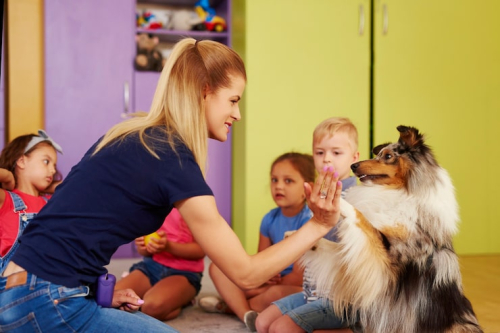
PrimePaw Puppy Preschool is designed for one of the most important stages in a dog’s life: the early developmental window when learning, confidence-building, and social behavior are rapidly taking shape. During this period, puppies are not only learning basic commands, but also forming long-term associations with people, other dogs, and unfamiliar environments. A structured, supportive introduction to these experiences can influence behavior well into adulthood, making early training a meaningful investment for new dog owners.
Your dog’s daily struggles pulling, mealtime anxiety, or reactivity don’t just cause stress, they chip away at the joy of being together. At Prime Paw, our positive reinforcement-based programs meet your dog where they are and build confidence, connection, and real skills. Our tailored programs in-person classes, coaching, and online resources help you enjoy calmer walks, relaxed routines, and a deeper connection. Ready for lasting change? Schedule a Prime Paw consultation today!
Why Early Puppy Socialization Shapes Lifelong Behavior
Behavioral science consistently shows that early, positive exposure to new environments plays a major role in shaping how dogs respond to the world as adults. Puppies that experience gradual, well-managed socialization during their early months are more likely to develop balanced responses to new situations and reduced fear-based behaviors later in life.
Research on structured early exposure highlights that carefully guided interactions with people, other dogs, and novel environments help puppies build resilience and adaptability. One review of early developmental interventions in puppies emphasizes that supportive exposure during the sensitive socialization period is associated with fewer behavioral challenges in adulthood, particularly those related to fear and aggression. These findings are discussed in early socialization studies, which underline the importance of controlled, positive experiences rather than unstructured or overwhelming encounters.
Appropriate puppy socialization practices during the sensitive early developmental stages contribute substantially to reduced behavioral challenges in adulthood, including lower incidences of aggression and fear-related responses. Research reviewing puppy parties and structured early interventions shows that positive, gradual exposures to novel stimuli help puppies develop robust coping mechanisms and social skills that persist throughout life. These experiences are particularly effective when delivered in supportive group formats that encourage play, exploration, and positive human interactions without overwhelming the young dog. Owners benefit from guidance on balancing safety with necessary exposures, ensuring puppies build confidence rather than associating new situations with stress. The findings reinforce that missing these key opportunities often leads to preventable problems that are harder to address later, whereas consistent early efforts yield dogs better equipped for everyday life, family integration, and various activities. This body of evidence supports integrating professional-led socialization into puppy routines as a proactive measure for healthier, happier long-term outcomes.
This foundational stage is not about exposing puppies to everything at once it is about creating safe, incremental learning opportunities that encourage curiosity instead of anxiety. That balance is what makes structured programs particularly valuable.
What Puppy Preschool Means in Practice
Puppy Preschool is a structured early training program designed to support both behavioral development and social confidence. Unlike informal playtime, these sessions are intentionally guided to help puppies learn how to interact appropriately with their environment while reinforcing calm, positive behavior.
At its core, a program like PrimePaw Puppy Preschool focuses on combining social interaction with foundational obedience training. Puppies are introduced to new sights, sounds, surfaces, and gentle social experiences in a controlled setting. This helps them learn how to respond calmly rather than react impulsively when encountering novelty later in life.
Sessions are typically structured around short training intervals, supervised play, and rest periods. This rhythm supports attention span development and prevents overstimulation, which is especially important for very young dogs still developing emotional regulation skills.
The Science Behind Structured Early Learning
Scientific research consistently supports the value of structured early learning environments for puppies. Studies of early developmental programs show that gradual exposure to social and environmental stimuli helps shape more confident and adaptable adult dogs.
One well-known example comes from structured university-led programs that evaluate puppies through early learning experiences and guided social exposure. These programs demonstrate that puppies exposed to varied but controlled interactions during critical developmental periods tend to develop stronger coping skills and improved adaptability in unfamiliar situations. Insights from puppy kindergarten research highlight how these early experiences can positively influence long-term temperament and trainability.
When combined with positive reinforcement techniques, early learning programs help puppies associate new experiences with safety and reward rather than stress. This is particularly important for shaping how dogs respond to everyday environments such as busy streets, veterinary visits, or social gatherings.
What Happens Inside a Puppy Preschool Session
While each program may vary, a well-designed puppy preschool session typically includes a mix of socialization, foundational training, and environmental exposure. The goal is not just obedience, but confidence-building through structured experience.
Supervised Social Interaction
Puppies are introduced to other dogs in a controlled environment where play is monitored and gently guided. This helps them learn appropriate play behavior, including bite inhibition and social cues.
Foundational Obedience Skills
Basic commands such as sit, recall, and attention focus are introduced in short, positive training bursts. These early skills form the basis for more advanced training later in life.
Environmental Confidence Building
Puppies may be exposed to different textures, sounds, and objects in a safe environment. This helps reduce sensitivity to novelty and encourages curiosity instead of hesitation.
Positive Reinforcement Learning
Reward-based training methods help puppies understand expectations without fear or confusion. This builds trust between the puppy and handler, strengthening long-term responsiveness.
Why Timing Matters More Than Intensity
The timing of early training is often more important than the intensity of the training itself. Puppies go through a sensitive developmental period where they are especially receptive to learning about their environment. Experiences during this stage tend to leave a stronger imprint than those introduced later in life.
Research consistently supports the idea that gradual, positive exposure during this window can significantly reduce the likelihood of fear-based behaviors developing later. As shown in structured behavioral research, including findings summarized in early socialization studies, puppies benefit most from carefully managed experiences that prioritize emotional safety over volume of exposure.
Overloading a young puppy with too many stimuli too quickly can have the opposite effect, increasing anxiety rather than building confidence. This is why structured environments like puppy preschool focus on pacing, supervision, and positive reinforcement rather than unstructured interaction.
Choosing the Right Early Training Environment
For dog owners evaluating early training options, the structure and philosophy of the program matter as much as the activities themselves. A strong puppy preschool should emphasize safety, consistency, and gradual learning progression.
Look for programs that prioritize small group sizes, supervised interaction, and positive reinforcement methods. These elements help ensure that puppies are not overwhelmed and can learn at an appropriate developmental pace.
It is also important that training environments are designed to support both social and individual learning. While interaction with other puppies is valuable, individual attention ensures that each puppy’s unique temperament and learning style is supported.
In addition, programs that incorporate early behavioral science principles such as those demonstrated in structured university-led studies highlighted in puppy kindergarten research tend to provide a more comprehensive developmental foundation.
For dog owners considering PrimePaw Puppy Preschool, the key consideration is how well the program aligns with these principles of early learning, emotional safety, and gradual exposure. A thoughtful start can significantly influence a puppy’s long-term confidence and behavior.
Building a Strong Foundation for Lifelong Behavior
Early puppy development is one of the most influential periods in a dog’s life. Experiences during this time shape not only obedience skills, but also emotional resilience and social confidence. Structured programs like puppy preschool provide a framework for introducing these experiences in a safe and supportive way.
When puppies are guided through carefully managed socialization, supported by positive reinforcement, and given time to process new experiences, they are more likely to grow into adaptable, well-adjusted adult dogs. This foundation benefits not only the dog, but also the owner, who gains a companion better prepared for real-world environments and everyday interactions.
PrimePaw Puppy Preschool is built around this understanding of early development, focusing on structured exposure and foundational training that supports long-term behavioral health. For new dog owners, starting early is less about perfection and more about creating the right conditions for learning, confidence, and trust to grow.
Structured early group experiences for puppies play a vital role in shaping their cognitive and emotional development, helping identify and nurture traits essential for success as service or companion animals. Programs like those at Duke University demonstrate how consistent exposure to varied social interactions, games assessing temperament, and positive reinforcement during the critical early months can build resilience, focus, and adaptability. Puppies in these environments learn to navigate new situations calmly, form positive associations with people and other dogs, and develop the confidence needed for real-world challenges. This approach not only supports immediate behavioral growth but also has long-term implications for reducing fear responses and enhancing problem-solving abilities later in life. For new puppy owners, enrolling in well-designed group sessions during the key developmental window maximizes the potential for a well-adjusted adult dog capable of thriving in diverse environments. The emphasis on early intervention highlights why targeted socialization and training programs yield measurable benefits in temperament and trainability, offering families a proactive strategy to foster strong human-canine bonds and prevent common behavioral hurdles.
Frequently Asked Questions
What is PrimePaw Puppy Preschool and how does early socialization benefit my puppy?
PrimePaw Puppy Preschool is a structured early training program designed to introduce puppies to socialization, basic manners, and foundational obedience skills. Early socialization helps puppies build confidence, reduce fear-based behaviors, and develop positive interactions with people and other dogs. This stage is critical for shaping long-term behavior and preventing future anxiety or aggression issues.
At what age can my puppy start PrimePaw Puppy Preschool and are vaccinations required?
Puppies can typically begin preschool classes as early as 8 to 16 weeks of age, depending on their vaccination status and veterinary approval. Most programs require at least the first round of vaccinations and proof of deworming to ensure a safe group environment. Starting early helps puppies adapt quickly to new experiences during their key developmental period.
What training skills are taught in PrimePaw Puppy Preschool classes?
PrimePaw Puppy Preschool focuses on essential skills such as basic obedience commands, leash introduction, and proper social behavior. Puppies also learn bite inhibition, crate comfort, and how to interact appropriately with other dogs and humans. These foundational skills help set the stage for long-term training success and well-behaved adult dogs.
Disclaimer: The above helpful resources content contains personal opinions and experiences. The information provided is for general knowledge and does not constitute professional advice.
You may also be interested in: Puppy Owners Benefit from Early Socialization Practices
Your dog’s daily struggles pulling, mealtime anxiety, or reactivity don’t just cause stress, they chip away at the joy of being together. At Prime Paw, our positive reinforcement-based programs meet your dog where they are and build confidence, connection, and real skills. Our tailored programs in-person classes, coaching, and online resources help you enjoy calmer walks, relaxed routines, and a deeper connection. Ready for lasting change? Schedule a Prime Paw consultation today!
Powered by flareAI.co