
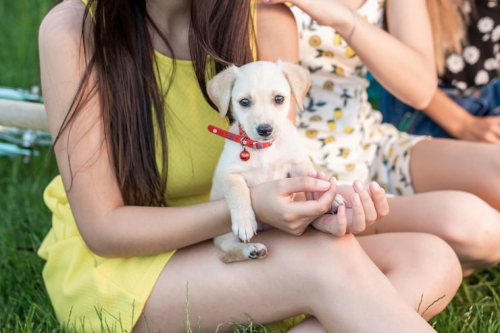
In San Francisco’s vibrant neighborhoods, from the bustling streets of the Mission District to the quieter hills of Noe Valley and Bernal Heights, families are raising the next generation of dogs amid the city’s unique mix of urban energy and green spaces. For guardians bringing home a fully vaccinated puppy between 18 and 26 weeks, the real work of building a confident, adaptable companion often starts exactly when the puppy is ready to step beyond the safety of home and into supervised group settings.
PrimePaw’s Puppy Kindergarten delivers that bridge with structured, science-backed sessions that emphasize positive reinforcement, controlled socialization, and practical tools guardians can use immediately. Held at the PrimePaw facility in San Francisco, these programs are designed for adolescent dogs ready to explore the world while still under full veterinary care. Whether your puppy attends six sessions at $900 or the extended twelve-session option that includes two in-home private sessions for $2,000, every class builds the resilience and social skills that turn a curious young dog into a well-adjusted adult companion.
Your dog’s daily struggles pulling, mealtime anxiety, or reactivity don’t just cause stress, they chip away at the joy of being together. At Prime Paw, our positive reinforcement-based programs meet your dog where they are and build confidence, connection, and real skills. Our tailored programs in-person classes, coaching, and online resources help you enjoy calmer walks, relaxed routines, and a deeper connection. Ready for lasting change? Schedule a Prime Paw consultation today!
Why Puppy Kindergarten Matters in Today’s Urban Environment
Modern San Francisco life places young dogs in constant contact with new stimuli: the rumble of MUNI streetcars, the scent of street vendors in the Mission District, the distant barking of dogs on Bernal Heights walks, or the gentle pace of neighborhood strolls through Dogpatch. Without structured guidance, puppies can develop fears or reactivity that follow them into adulthood. Puppy Kindergarten addresses this directly by providing safe, supervised environments where dogs learn to handle real-world variety while guardians receive clear, actionable guidance.
The program’s focus on positive reinforcement mirrors the science-backed approach used in established early-learning models. Research from Duke University’s Puppy Kindergarten shows that consistent exposure to varied experiences during the critical early weeks produces dogs with stronger resilience, better problem-solving abilities, and lower rates of fear-based behaviors. For San Francisco families, this translates into puppies who navigate city noises, social encounters, and routine changes with ease rather than retreating or becoming overwhelmed.
Comprehensive reviews of canine development underscore the transformative impact of proper socialization during the sensitive period from roughly 3 to 12 weeks of age, when puppies are most receptive to forming positive associations with new people, animals, environments, and stimuli. Puppies exposed to diverse, controlled experiences during this window exhibit significantly lower rates of fear-based behaviors, aggression, and anxiety as adults compared to those with limited early exposure. Scientific literature highlights how inadequate socialization contributes to common behavioral challenges that strain pet-owner relationships and increase relinquishment risks, emphasizing the need for proactive, positive experiences rather than relying solely on natural maturation. Structured programs like puppy kindergarten facilitate safe, supervised interactions that build confidence, improve handling tolerance, and enhance overall adaptability to modern living conditions, including urban settings and varied social dynamics. For businesses and trainers in the pet industry, aligning services with these evidence-based timelines supports better outcomes for clients, fostering dogs that are more trainable, resilient, and enjoyable long-term companions. Owners benefit from learning to recognize puppy body language, implement consistent routines, and create enriching environments that support ongoing development beyond the initial critical phase. This body of research reinforces that early intervention through group classes or guided social hours is not just beneficial but essential for psychological well-being, helping prevent issues that behavioral problems pose as leading causes of euthanasia or rehoming in young dogs. By prioritizing science-backed socialization strategies, puppy programs empower families to raise balanced, happy dogs capable of navigating life’s complexities with ease.
The Science-backed Development Window for Adolescent Dogs
Scientific understanding of canine socialization has advanced significantly in recent years. Comprehensive reviews highlight that the period roughly from three to twelve weeks offers the most receptive window for forming positive associations, but the transition into adolescence around 18 to 26 weeks represents a second critical phase where structured reinforcement continues to shape long-term temperament.
PrimePaw’s Puppy Kindergarten is deliberately placed in this adolescent window because fully vaccinated puppies at this stage are prepared for peer interactions yet still benefit from guided structure. The program avoids the unstructured play that can overwhelm sensitive dogs and instead combines supervised controlled play groups with dedicated settling and enrichment hours. This balanced approach helps puppies build confidence, improve handling tolerance, and develop the cognitive flexibility needed for busy urban households.
Structured early learning programs for puppies, often referred to as puppy kindergarten, offer profound insights into how dogs develop the cognitive and emotional skills needed for success in complex human environments. Research from programs like Duke Puppy Kindergarten demonstrates that consistent exposure to varied experiences, positive interactions with people and other dogs, and guided play during the critical early weeks help puppies build resilience, adaptability, and strong problem-solving abilities. These sessions go beyond basic commands to assess and nurture temperament traits such as curiosity, calmness under distraction, and willingness to engage with novel stimuli, which are essential predictors of well-adjusted adult dogs. For new puppy owners, enrolling in such programs during the key developmental window between 8 and 18 weeks maximizes the potential for creating confident companions who handle everyday challenges like urban noises, social encounters, and routine changes with ease. The emphasis on positive reinforcement and controlled socialization not only reduces the risk of future behavioral issues like fearfulness or reactivity but also strengthens the human-canine bond through shared learning experiences. Owners who participate gain practical tools for ongoing training, from leash manners to settling in stimulating settings, setting the foundation for a harmonious life together. As more families bring puppies into busy households, these early structured classes prove invaluable in preventing common problems that lead to surrendered pets, while promoting lifelong mental and emotional health. By investing in quality puppy kindergarten experiences, guardians equip their young dogs with the social and cognitive toolkit necessary to thrive, mirroring the benefits seen in service dog training pipelines where early identification and development of key traits lead to higher success rates.
Program Structure and What Guardians Can Expect
Each Puppy Kindergarten session at PrimePaw is designed around small group sizes and professional facilitation. Guardians learn to read body language, implement consistent routines, and create enriching environments that support ongoing development. The curriculum covers topics such as settling in new situations, managing excitement around other dogs, practicing basic behaviors in real-world contexts, and building positive associations that carry over to daily life.
The six-session option provides a focused introduction to structured socialization. The twelve-session package, available for $2,000 with two additional in-home private sessions, allows for deeper reinforcement and individualized adjustments tailored to each puppy’s pace and temperament. All sessions emphasize positive reinforcement only, ensuring the experience remains stress-free and enjoyable for both dog and guardian.
Preparing Your Puppy for Success in Puppy Kindergarten
Successful participation begins with choosing the right timing and preparation steps. Fully vaccinated puppies 18–26 weeks old are the ideal candidates. Guardians should confirm their dog’s current vaccinations align with local requirements and ensure the puppy has had time to recover from any early vaccines before enrolling.
Before the first session, prepare a short list of your puppy’s favorite toys or treats to share during play groups. Review the program guidelines provided at enrollment to understand expectations around noise levels, group dynamics, and post-session follow-up. Keeping a simple observation journal helps you track progress and identify any areas that may benefit from follow-up private sessions.
Benefits for Puppies and Guardians Alike
Puppies gain the social and cognitive toolkit necessary to thrive in complex human environments. They learn to handle distractions, solve simple problems during play, and build friendships with other young dogs in a controlled setting. Over time, these early experiences translate into lower risk of behavioral issues that can strain owner relationships or lead to rehoming.
Guardians receive practical skills that extend far beyond the classroom. They learn to recognize subtle body language cues, apply consistent training cues at home, and create stimulating environments that support continued development. Many participants report stronger bonds with their dogs and greater confidence in handling everyday challenges such as park visits, neighborhood walks, or family gatherings.
Real-world Impact on San Francisco Families
In neighborhoods where families balance work, community events, and urban living, the ability to raise a balanced dog matters deeply. PrimePaw’s approach has helped thousands of San Francisco families create companions who feel at home in the city’s varied settings from the energetic Mission District streets to the peaceful Potrero Hill paths. The program’s small class sizes and expert trainers ensure every puppy receives the attention needed to succeed, whether the goal is simply enjoying daily walks or preparing for future activities like off-leash adventures at John McLaren Park.
How Puppy Kindergarten Fits Into a Lifetime of Positive Training
Puppy Kindergarten serves as a natural stepping stone rather than an endpoint. Many families continue with PrimePaw’s Level 1 Foundations group classes, loose-leash walking drop-ins, or private training sessions as the dog matures. The foundation built during adolescence creates a strong base for ongoing behavioral development and a lifelong partnership grounded in mutual respect and clear communication.
For San Francisco guardians seeking the best start for their young dogs, PrimePaw Puppy Kindergarten offers a proven, science-aligned path forward. With sessions priced accessibly and an emphasis on positive, results-oriented training, the program helps families raise dogs that are not only well-behaved but also confident, curious, and ready to enjoy everything the city has to offer.
Ready to give your puppy the structured support they need to thrive? Consultations are free at primepaw.com. Enroll today and watch your adolescent dog gain the social skills and confidence that last a lifetime.
Frequently Asked Questions
What is PrimePaw Puppy Kindergarten for young dogs and what does it include?
PrimePaw Puppy Kindergarten for young dogs is a foundational dog training program designed to support early learning and socialization. It typically focuses on basic obedience skills, bite inhibition, and positive behavior development in a structured environment. The program helps puppies build confidence while learning how to interact appropriately with people and other dogs.
At what age should I enroll my puppy in Puppy Kindergarten at PrimePaw?
Most Puppy Kindergarten programs like PrimePaw are designed for young dogs between 8 and 16 weeks old, depending on vaccination requirements. Early enrollment helps puppies take advantage of critical socialization periods. It is best to confirm with the training facility regarding health and vaccine guidelines before starting classes.
What are the benefits of Puppy Kindergarten for my puppy’s training and socialization?
Enrolling in Puppy Kindergarten helps young dogs develop essential socialization skills and reduces the risk of future behavioral issues. Puppies learn how to interact calmly with other dogs, people, and new environments in a controlled setting. It also builds a strong foundation for future dog training and obedience work.
Disclaimer: The above helpful resources content contains personal opinions and experiences. The information provided is for general knowledge and does not constitute professional advice.
You may also be interested in: Positive Reinforcement Dog Training Guide
Your dog’s daily struggles pulling, mealtime anxiety, or reactivity don’t just cause stress, they chip away at the joy of being together. At Prime Paw, our positive reinforcement-based programs meet your dog where they are and build confidence, connection, and real skills. Our tailored programs in-person classes, coaching, and online resources help you enjoy calmer walks, relaxed routines, and a deeper connection. Ready for lasting change? Schedule a Prime Paw consultation today!
Powered by flareAI.co