
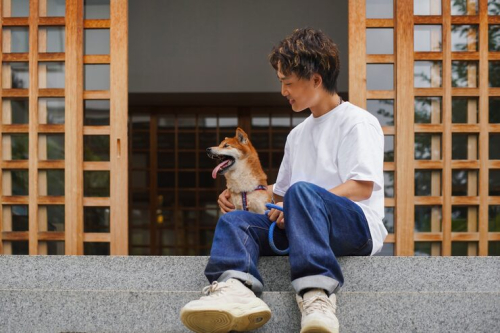
As adolescent dogs hit that unpredictable teenage phase typically between six months and two years many San Francisco owners find themselves facing unexpected challenges. Behaviors that seemed solid suddenly slip: recalls ignored on busy Mission District sidewalks, pulling on leash through Potrero Hill parks, or heightened reactivity amid SoMa distractions. PrimePaw’s Adolescent Academy offers a structured, positive reinforcement-based teenage dog training program designed specifically for this developmental stage, helping local families rebuild reliability and strengthen bonds during one of the most demanding periods in a dog’s life.
Your dog’s daily struggles pulling, mealtime anxiety, or reactivity don’t just cause stress, they chip away at the joy of being together. At Prime Paw, our positive reinforcement-based programs meet your dog where they are and build confidence, connection, and real skills. Our tailored programs in-person classes, coaching, and online resources help you enjoy calmer walks, relaxed routines, and a deeper connection. Ready for lasting change? Schedule a Prime Paw consultation today!
Understanding the Canine Teenage Phase
Dog adolescence mirrors many aspects of human teenage years, complete with physical growth spurts, brain remodeling, and a drive for greater independence. During this time, puppies often appear to “forget” previously learned cues, test boundaries more assertively, and show increased sensitivity to their environment. What owners interpret as stubbornness or regression is usually a normal developmental process involving changes in impulse control and social awareness.
The adolescent period represents one of the most demanding yet rewarding stages in a dog’s development, typically spanning from around eight months to two years old. During this time, puppies undergo rapid physical growth, becoming larger and stronger while their brains continue maturing, which often manifests as apparent forgetting of previously learned behaviors, increased exploration, and testing of boundaries. Owners frequently notice reduced reliability on cues like come or stay, heightened energy levels, and a greater desire for independence that can lead to wandering or selective listening. However, this phase is entirely normal and manageable with proactive strategies. Continuing consistent positive reinforcement training, practicing basic obedience regularly in varied environments, and incorporating mental stimulation through puzzle toys, games, and structured activities all help channel energy productively and reinforce good habits.
Crate training provides a reliable safe space, while teaching self-control exercises like leave it and drop it builds foundational skills that carry into adulthood. Secondary chewing phases around eight to ten months also require vigilance with appropriate chew toys and continued puppy-proofing. By maintaining routines, offering ample physical and mental exercise, and rewarding desirable choices without over-relying on treats, guardians can guide their teenage dogs through this transitional time effectively. According to experts, this adolescent puppy changes brings rapid physical development alongside continued brain maturation, which can temporarily reduce reliability on commands like “come” or “stay.” Owners in neighborhoods like Dogpatch and Bernal Heights frequently notice heightened energy, selective listening, and a stronger desire to explore behaviors amplified by the stimulating urban environment of San Francisco.
Why Adolescent Dogs Seem to Regress in Training
The teenage phase involves significant neurological shifts that affect focus and self-control. Dogs may startle at familiar objects, become more vocal, or respond better to strangers than to their primary caregivers. In bustling areas such as the Castro District or Noe Valley, distractions from other dogs, people, and city sounds can make previously reliable behaviors feel inconsistent.
Navigating the teenage phase in dogs requires recognizing it as a distinct developmental stage filled with significant physical, emotional, and behavioral shifts. Around six months to two years of age, depending on breed, dogs experience changes similar to human teenagers, including increased sensitivity to their environment, heightened vigilance, and a temporary dip in responsiveness to familiar commands. What owners often interpret as sudden disobedience or stubbornness is actually a normal part of growing independence, risk-taking tendencies, and brain remodeling that affects impulse control and social interactions. During this time, dogs may startle at previously familiar objects, test boundaries by ignoring recalls, become more vocal or reactive, and show selective attention responding better to strangers than to their primary caregivers. This phase highlights why consistent, patient positive reinforcement training remains crucial rather than assuming prior lessons are permanently lost.
Structured programs that emphasize real-world practice, gradual exposure to new challenges, and rebuilding focus help dogs successfully transition through adolescence into well-adjusted adults. For families in busy urban settings like San Francisco, where distractions abound during walks and daily life, targeted support such as group classes or intensive academies can make all the difference in maintaining strong bonds and preventing frustration that might otherwise lead to rehoming. Embracing this period with realistic expectations transforms what feels like regression into an opportunity for deeper connection and long-term behavioral success. This understanding canine adolescence underscores the importance of patience and strategy rather than assuming prior training has been lost permanently.
This period requires patience and strategy rather than assuming prior training has been lost permanently. Consistent positive reinforcement remains essential, as does practicing obedience in varied real-world settings that match daily life in San Francisco’s diverse neighborhoods.
Common Challenges for San Francisco Dog Owners
Urban living adds unique layers to adolescent dog behavior management. Busy streets, crowded parks, and frequent encounters with other animals can intensify testing behaviors. Pulling on leash during walks through Potrero Hill, ignoring cues amid Dogpatch waterfront activity, or reactivity in social settings around Bernal Heights are common complaints from owners navigating this stage.
Many families also face secondary chewing phases around eight to ten months, requiring vigilant puppy-proofing and provision of appropriate chew outlets. Without targeted support, frustration can build, sometimes straining the human-animal bond during what should be an exciting growth period.
How Primepaw’s Adolescent Academy Helps
PrimePaw’s specialized teenage dog training program addresses the unique needs of adolescent dogs through structured, humane methods grounded in positive reinforcement. The Adolescent Academy combines focused behavior work, real-life practice scenarios, and socialization opportunities tailored to the challenges of city living in San Francisco.
Programs emphasize rebuilding focus through gradual exposure to distractions, teaching self-control exercises such as “leave it” and “drop it,” and maintaining consistent routines that fit busy professional and family schedules. Crate training reinforcement and mental stimulation activities help channel energy productively while creating reliable safe spaces for dogs.
By working in small groups and incorporating San Francisco-specific environments, the academy helps dogs generalize skills beyond the training setting whether navigating crowded sidewalks in SoMa or maintaining calm during encounters in neighborhood parks.
Benefits of Specialized Training During Adolescence
Investing in adolescent dog training San Francisco owners can access through PrimePaw delivers lasting results. Dogs learn to manage impulses more effectively, leading to improved reliability on core obedience cues even amid urban distractions. Owners gain practical tools and strategies that reduce daily stress and prevent minor issues from escalating.
Participants often report stronger bonds with their dogs as they move through this transitional phase together. The program’s emphasis on positive methods builds confidence in both dogs and handlers, setting a foundation for polite, well-adjusted adult companions who thrive in city environments.
Structured support during adolescence also helps address puppy teenage phase behavior problems proactively. Rather than waiting for behaviors to become entrenched, the academy equips owners with techniques for managing regression, boundary testing, and increased independence in constructive ways.
Positive Reinforcement Approaches for Teen Dogs
PrimePaw prioritizes force-free, reward-based training that respects the dog’s developmental stage. This approach proves particularly effective for dog training for stubborn adolescent dogs, as it leverages natural motivations while building trust and cooperation.
Techniques include incorporating mental enrichment through puzzle toys and games, practicing obedience in progressively challenging environments, and teaching impulse control exercises that translate directly to real-life situations. The goal is not perfection but consistent progress and a deeper understanding between dog and owner.
For families in areas like the Mission District or Castro District, where social interactions and outdoor activities form a big part of daily life, these skills create more enjoyable shared experiences and reduce potential conflicts.
Real Results From the Adolescent Academy
Many San Francisco owners who enroll in the program notice rapid improvements in focus and responsiveness once they implement academy strategies consistently. Dogs that previously ignored recalls during walks begin checking in more reliably. Leash manners improve, and overall household harmony increases as boundaries become clearer.
The academy’s group format also provides valuable socialization opportunities with other adolescent dogs, helping participants navigate the social complexities of this developmental stage. Owners benefit from community support and shared learning experiences with fellow local dog guardians facing similar challenges.
Long-term, dogs who complete the program typically transition more smoothly into adulthood, displaying better self-regulation and adaptability qualities that serve them well throughout their lives in dynamic urban settings.
Getting Started with Primepaw’s Teenage Dog Program
Enrolling in the Adolescent Academy begins with an assessment to understand your dog’s specific needs and your household goals. From there, experienced trainers create a customized pathway that integrates seamlessly with your routine in neighborhoods like Noe Valley, Bernal Heights, or beyond.
The program offers flexible scheduling options suitable for busy professionals and families across San Francisco. Whether you’re dealing with mild regression or more pronounced dog behavior regression training needs, the academy provides the structure and expertise required to navigate this phase successfully.
PrimePaw’s commitment to positive reinforcement and individualized attention makes the Adolescent Academy a practical solution for owners seeking teen dog obedience training that delivers real-world results.
Navigating your dog’s teenage phase doesn’t have to be overwhelming. With the right support through a dedicated adolescent dog training San Francisco program like PrimePaw’s Adolescent Academy, this developmental stage becomes an opportunity for growth, stronger connection, and lasting behavioral success. Reach out to learn how the academy can support you and your adolescent dog through this important transition.
Frequently Asked Questions
What is the canine teenage phase and why do dogs seem to regress in training?
The canine teenage phase, typically spanning six months to two years, involves significant brain remodeling, growth spurts, and increased independence that can cause dogs to appear to forget commands, test boundaries, and show reduced reliability on cues like recall or stay. This normal developmental stage often leads to behaviors such as pulling on leash, heightened reactivity, or selective listening, especially in stimulating urban environments like San Francisco. PrimePaw’s Adolescent Academy addresses these changes through positive reinforcement-based teenage dog training to help rebuild focus and strengthen the human-dog bond.
How does PrimePaw’s Adolescent Academy help with teenage dog behavior problems in San Francisco?
PrimePaw’s Adolescent Academy offers a specialized teenage dog training program designed for adolescent dogs, focusing on positive reinforcement, real-world practice in city settings, and self-control exercises like leave it and drop it. The program helps San Francisco owners navigate challenges such as leash pulling in parks, distractions on busy sidewalks, and secondary chewing phases by providing structured group classes and customized strategies. Participants see improved impulse control, better socialization, and lasting obedience skills tailored to urban life.
What are the benefits of enrolling in adolescent dog training during the teenage phase?
Enrolling in PrimePaw’s Adolescent Academy during your dog’s teenage phase delivers improved reliability on core cues, reduced reactivity, and stronger bonds between dogs and owners amid San Francisco’s distractions. The positive reinforcement approach builds confidence, channels energy productively with mental stimulation, and prevents minor issues from becoming entrenched behaviors. Families often report smoother transitions to well-adjusted adulthood and more enjoyable daily experiences in neighborhoods like the Mission District or Bernal Heights.
Disclaimer: The above helpful resources content contains personal opinions and experiences. The information provided is for general knowledge and does not constitute professional advice.
You may also be interested in: Customized Training Addresses Unique Needs of Each Puppy
Your dog’s daily struggles pulling, mealtime anxiety, or reactivity don’t just cause stress, they chip away at the joy of being together. At Prime Paw, our positive reinforcement-based programs meet your dog where they are and build confidence, connection, and real skills. Our tailored programs in-person classes, coaching, and online resources help you enjoy calmer walks, relaxed routines, and a deeper connection. Ready for lasting change? Schedule a Prime Paw consultation today!
Powered by flareAI.co