
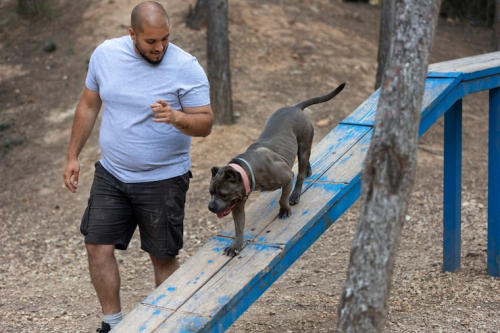
In an era where dogs are integral family members, the evolution of training methods reflects a deeper understanding of canine psychology and welfare. Gone are the days when harsh commands and punitive measures were the norm; today’s approaches prioritize empathy, science, and lasting bonds. Amidst ongoing debates often framed as cultural clashes about reward versus punishment, evidence overwhelmingly supports compassionate techniques that yield superior results. As we navigate 2026, these shifts are more pronounced than ever. Dive into the 7 Emerging Trends in Dog Training You Need to Know for 2025, trends that promise to redefine how we foster well-adjusted, joyful companions.
Your dog’s daily struggles pulling, mealtime anxiety, or reactivity don’t just cause stress, they chip away at the joy of being together. At Prime Paw, our positive reinforcement-based programs meet your dog where they are and build confidence, connection, and real skills. Our tailored programs in-person classes, coaching, and online resources help you enjoy calmer walks, relaxed routines, and a deeper connection. Ready for lasting change? Schedule a Prime Paw consultation today!
1. Positive Reinforcement Establishes Itself as the Undisputed Leader
At the forefront of modern dog training stands positive reinforcement, a method that rewards good behavior with treats, affection, or play to encourage repetition. This isn’t merely a gentle alternative; it’s a proven powerhouse, particularly for addressing aggression stemming from underlying emotions like fear or frustration. Experts, including certified behaviorists, successfully rehabilitate even the most challenging cases using strategies such as counterconditioning gradually associating scary stimuli with positive experiences and desensitization. Empirical studies reveal that dogs trained solely with rewards exhibit markedly reduced levels of aggression and anxiety compared to those subjected to corrective tactics.
Conversely, methods relying on punishment can exacerbate issues, heightening stress and potentially leading to unpredictable outbursts. For instance, tools like shock collars have been linked to elevated cortisol levels, the body’s stress hormone, and can provoke aggressive reactions in nearly half of the cases where severe corrections are applied. By masking symptoms without resolving root causes, these approaches risk suppressing vital signals like growling, which might otherwise prevent escalation. In vibrant urban hubs such as San Francisco’s Mission District or Potrero Hill, where dogs frequently encounter diverse stimuli, this trust-based framework ensures safer interactions and stronger owner-pet relationships.
2. The Decline of “Balanced” Training in Favor of Pure Positive Strategies
The once-popular “balanced” training, which interleaves rewards with punishments, is rapidly falling out of favor as research highlights its drawbacks. Pure positive reinforcement, by contrast, rewires a dog’s emotional responses more effectively, creating clarity and consistency that mixed methods often lack. Techniques like pairing triggers with high-value rewards turn potential threats into sources of anticipation, fostering emotional resilience without the confusion that can arise from intermittent corrections. Data indicates that dogs under reward-only regimes display fewer behavioral problems overall, while those in balanced programs show higher incidences of fear, aggression, and unwanted attention-seeking.
This shift underscores a broader commitment to humane practices, where the goal is not just obedience but mutual understanding. Owners are increasingly drawn to programs that emphasize joyful learning, recognizing that force-free methods not only work but also enhance the dog’s quality of life. In neighborhoods like SoMa or Dogpatch, where space constraints demand well-mannered pets, such approaches prove invaluable, offering tailored solutions that address individual needs without compromising welfare.
3. The Surge in E-Learning Platforms for Pet Owners
The global e-learning market for pet services, which stood at USD 1.61 billion in 2024, is set to climb to USD 1.85 billion this year and reach approximately USD 6.78 billion by 2034, boasting a robust compound annual growth rate of 15.50% from 2025 onward. This expansion is propelled by escalating pet care expenditures and a preference for adaptable educational formats. Within this, the pet training category dominated in 2024, with online courses capturing the lion’s share of delivery methods. North America leads the pack, thanks to widespread pet ownership and a culture of continuous learning, while Europe is poised for the swiftest growth through 2034.
These platforms democratize access to expert knowledge, covering topics from basic obedience to advanced behavioral modification, all grounded in positive reinforcement. For busy professionals in Bernal Heights or the Castro District, they provide on-demand resources that fit seamlessly into hectic schedules, alleviating concerns about time constraints. Moreover, as grooming segments accelerate, holistic care bundles emerge, blending training with other services for comprehensive pet development.
4. AI-Driven Dog Training Apps Revolutionize Accessibility
The market for dog training apps reached USD 253.6 million in 2024 and is forecasted to expand to USD 738.15 million by 2035, achieving a CAGR of about 10.2% starting from 2025. This growth stems from rising pet adoptions, heightened recognition of positive reinforcement’s benefits, and amplified investments in pet wellness. Apps offer interactive sessions on obedience, behavior correction, agility, and specialized tracks for puppies or service animals, enhanced by AI for personalized plans and instant feedback.
Gamification elements keep users engaged, turning training into an enjoyable routine. While development costs pose challenges, opportunities abound in regions with booming smartphone use. In Noe Valley or broader San Francisco, these tools serve as perfect supplements, enabling consistent practice at home and bridging gaps for owners doubting traditional method’s efficacy for their unique pups.
5. Hybrid Training Models Merge Digital and Physical Worlds
Post-pandemic, virtual training has become a staple, but the real innovation lies in hybrid models that fuse online accessibility with in-person immersion. These programs deliver theoretical foundations digitally while reserving hands-on sessions for practical application, particularly in socialization. Supervised environments ensure safe interactions, allowing dogs to build social skills without exposure to uncontrolled risks. This format directly counters objections around scheduling, as efficient, focused classes maximize impact in minimal time.
In densely populated areas like San Francisco, where public spaces can overwhelm sensitive dogs, hybrid setups shine by offering controlled group dynamics. They leverage positive reinforcement to create confident, sociable pets, proving that investment in structured programs yields dividends in behavior and bond strength. As the global pet training services market, valued at $3.83 billion in 2021, advances toward $6.84 billion by 2031 at a 6% CAGR, such integrated services drive demand by enhancing confidence, reducing unwanted behaviors, and even enabling functional roles like assistance or security tasks.
6. Prioritizing Mental Enrichment and Emotional Health
Contemporary training extends beyond commands to encompass mental stimulation and emotional well-being, viewing dogs as sentient beings with complex needs. Positive reinforcement excels in this domain by preemptively addressing anxiety and building resilience through enriching activities. Methods that convert stressors into positive associations help dogs thrive, preventing issues before they manifest. This holistic perspective aligns with the pet humanization trend, where owners invest in emotional partnerships rather than mere compliance.
Enrichment tools and puzzles, integrated into routines, promote cognitive health and curb boredom-induced mischief. In urban settings, where exercise space is limited, mental workouts become essential. Programs emphasizing these elements, often combined with socialization, offer personalized paths that reassure skeptical owners of their effectiveness, even for challenging cases, fostering lifelong harmony.
7. Market Expansion Signals Demand for Ethical, Professional Training
The global dog training services market is pegged at an estimated USD 43.8 billion for 2026, with projections to USD 99.95 billion by 2035 at a 9.6% CAGR from then on. North America commands 50-55% of the share, buoyed by high pet ownership rates, while Europe holds 25-30%. This surge reflects growing appreciation for professional interventions that refine behavior, obedience, and socialization.
Parallelly, the dog training equipment market was USD 2.64 billion in 2024, eyeing USD 3.85 billion by 2030 with a 6.54% CAGR. North America claims 36.90% dominance, with Asia Pacific growing fastest at 7.60%. Obedience training leads at 36.4% revenue, and items like leashes and collars take 22.1%. Innovations in behavior management fuel this, as does the overarching pet industry boom, now a $261 billion global economy that has outpaced general growth at 4-6% annually since 2000. Recession-resilient spending underscores owner’s family-like view of pets, prioritizing well-being through humane, effective tools and services.
As these trends unfold, the essence of dog training crystallizes: it’s about empowerment through kindness, not control through coercion. In San Francisco’s eclectic enclaves, from bustling streets to cozy valleys, tailored positive reinforcement programs merging individual customization with secure group experiences dispel doubts about cost, efficacy, and commitment. They deliver tangible transformations, building trust and joy that endure. Embracing these advancements ensures a future where every wag tells a story of partnership, paving the way for happier homes and healthier communities.
Frequently Asked Questions
What is positive reinforcement dog training and why is it better than punishment-based methods?
Positive reinforcement dog training rewards good behavior with treats, affection, or play to encourage repetition, making it a scientifically proven method that reduces aggression and anxiety. Unlike punishment-based approaches that can elevate stress hormones and trigger unpredictable aggressive reactions in nearly half of cases, positive reinforcement addresses the root emotional causes of behavioral issues. This method builds trust and creates lasting behavioral changes by rewiring a dog’s emotional responses, rather than simply masking symptoms through fear or intimidation.
How much is the dog training market expected to grow by 2025 and beyond?
The global dog training services market is estimated at $43.8 billion for 2026, with projections reaching $99.95 billion by 2035 at a 9.6% compound annual growth rate. Additionally, the e-learning market for pet services is expected to grow from $1.85 billion in 2025 to approximately $6.78 billion by 2034, while dog training apps are forecasted to expand from $253.6 million in 2024 to $738.15 million by 2035. This growth reflects increasing pet ownership, rising demand for professional training services, and the widespread adoption of digital learning platforms that make expert training more accessible to busy pet owners.
What are hybrid dog training models and how do they work?
Hybrid dog training models combine online accessibility with in-person sessions, delivering theoretical foundations digitally while reserving hands-on classes for practical application and socialization. This approach maximizes efficiency by allowing owners to learn at their own pace online, then practice in supervised environments where dogs can safely build social skills without exposure to uncontrolled risks. Hybrid models are particularly valuable in urban areas, offering flexible scheduling while ensuring dogs receive crucial in-person socialization in controlled group settings that use positive reinforcement to build confidence and appropriate social behaviors.
Disclaimer: The above helpful resources content contains personal opinions and experiences. The information provided is for general knowledge and does not constitute professional advice.
You may also be interested in: Our Training Services
Your dog’s daily struggles pulling, mealtime anxiety, or reactivity don’t just cause stress, they chip away at the joy of being together. At Prime Paw, our positive reinforcement-based programs meet your dog where they are and build confidence, connection, and real skills. Our tailored programs in-person classes, coaching, and online resources help you enjoy calmer walks, relaxed routines, and a deeper connection. Ready for lasting change? Schedule a Prime Paw consultation today!
Powered by flareAI.co