
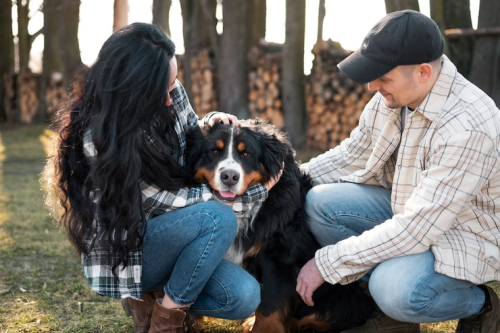
Imagine cradling a new puppy for the first time those wide, trusting eyes, the oversized paws stumbling over every new discovery, and the boundless curiosity sparked by the slightest sound or movement. These early moments brim with potential, but research underscores how they profoundly shape a dog’s lifelong behavior, determining if novel encounters elicit joyful exploration or wary retreat. For pet owners in bustling San Francisco neighborhoods like the Mission District or Noe Valley, where canines routinely navigate crowds, scooters, and urban surprises, mastering early socialization is not just helpful it’s crucial. Resources such as The Puppy Timeline: A Socialization Guide offer invaluable insights to ensure these foundational experiences build confidence rather than caution.
Your dog’s daily struggles pulling, mealtime anxiety, or reactivity don’t just cause stress, they chip away at the joy of being together. At Prime Paw, our positive reinforcement-based programs meet your dog where they are and build confidence, connection, and real skills. Our tailored programs in-person classes, coaching, and online resources help you enjoy calmer walks, relaxed routines, and a deeper connection. Ready for lasting change? Schedule a Prime Paw consultation today!
The Critical Window: Timing That Shapes Everything
The prime period for puppy socialization kicks off at about three weeks old and extends to roughly 12 to 14 weeks, varying slightly by breed. In this phase, the puppy’s brain rapidly develops social skills and forms key associations. Without adequate exposure during this time, dogs may face ongoing behavioral issues. Early, proper socialization fosters healthy interactions, reducing fear-driven avoidance or aggression toward unfamiliar dogs, people, or settings. This involves gently introducing the puppy to diverse individuals, animals, environments, and scenarios without inducing fear, considering all potential future encounters.
Beyond this initial window, which typically wraps up between 12 and 16 weeks, ongoing socialization remains vital. Puppies often hit adolescent fear stages from six to fourteen months, where familiar situations might suddenly provoke unease. Consistent, positive exposures help maintain progress and avoid setbacks. The emphasis here is on steady, supportive introductions that empower rather than intimidate, creating a resilient foundation for adulthood.
Experts from veterinary and behavioral fields stress that neglecting this timeline can lead to entrenched problems, far tougher to address in mature dogs. By prioritizing deliberate timing, owners set the stage for a well-adjusted companion, ready to handle life’s unpredictabilities with poise.
How Early Experiences Forge Adult Behavior
Well-socialized puppies develop remarkable resilience, quickly recovering from surprises without lasting anxiety. This adaptability proves invaluable in dynamic urban settings, such as the rumbling trucks in Potrero Hill or the whizzing skateboards in Dogpatch. Instead of shrinking from the unknown, these dogs approach it with interest, transforming potential threats into everyday norms.
On the flip side, insufficient socialization can breed persistent challenges like reactive anxiety, aggression rooted in fear, or repetitive behaviors including destructive chewing or excessive licking. While genetics play a role, environmental factors particularly early exposures dominate in influencing temperament. Studies highlight that breed explains only a minor fraction of behavioral differences, underscoring socialization’s outsized impact.
This emphasis aligns with surging trends in the pet industry. The worldwide pet care market, valued at USD 259.37 billion in 2024, is set to expand from USD 273.42 billion in 2025 to USD 427.75 billion by 2032, with a compound annual growth rate of 6.60% during that span. North America led with a 33.61% market share in 2024, reflecting how pets are increasingly seen as family members. Greater awareness of animal welfare boosts demand for products like wearables, food, toys, and services that enhance well-being.pet care market
Within this, pet training services are booming. These specialized programs teach pets specific behaviors for given settings or cues, enhancing safety, friendliness, and owner bonds while curbing unwanted actions. Trained pets can even assist the disabled or elderly, detect substances, or perform security roles. Such benefits fuel global demand, with the market projected to hit $4.9 billion by 2028, growing at a 6.2% CAGR. The rise of local and global providers further accelerates this trend, appealing to owners seeking professional expertise.pet training services
Younger demographics, viewing dogs as integral to mental health and lifestyle, drive much of this growth. In San Francisco’s fast-paced environment, investing in tailored training yields dividends in harmony and enjoyment.
Navigating the Pre-Vaccination Phase Safely and Effectively
A top worry for new owners is reconciling socialization needs with pre-vaccination health vulnerabilities. The answer? Opt for controlled, minimal-risk scenarios over risky public areas like dog parks. Arrange meetups with vaccinated, healthy dogs in sanitized private spaces. Choose puppy programs at venues prioritizing cleanliness, small groups, and affirmative techniques.
These setups introduce puppies to varied humans, calm animals, and fresh elements like ringing bells, slick surfaces, or opening umbrellas while minimizing infection risks. Positive reinforcement is key: rewarding serene curiosity with snacks, encouragement, and fun associates novelty with positivity, not dread. In vibrant areas like SoMa, Bernal Heights, or the Castro District, such guided sessions can pivot a pup from timidity to assurance.
Skilled trainers using positive methods guide incremental steps: starting with a quiet guest, progressing to gentle child interactions, then short drives or appliance sounds. Each phase bolsters quick recovery from minor startles, honing that vital resilience. For those skeptical about efficacy, costs, or fitting sessions into hectic routines, real-world results demonstrate value particularly through customized plans that match a dog’s specific traits, blending education with secure socialization under expert oversight in one convenient spot.
Addressing doubts head-on, many find that even brief, consistent commitments yield noticeable improvements, making the effort feasible and rewarding. Science-backed approaches ensure lasting changes, turning hesitant pups into confident explorers.
The Lasting Value for City Dogs and Their People
Pet ownership surges as millennials and Gen Z embrace canines for companionship and stress relief. In San Francisco’s tight-knit urban fabric, where indoor living meets lively streets, proactive socialization evolves from nice-to-have to essential strategy. A dog adept at city life brings peace indoors and adventure outdoors.
Services grounded in positive reinforcement training excel by nurturing bonds built on trust and happiness, employing proven strategies that reward rather than compel. Integrating formal lessons with protected social play offers holistic gains: refining etiquette alongside fostering adaptability in a unified, encouraging environment. Standout programs personalize to each dog’s profile, tackling unique needs with seasoned guidance.
Reservations about affordability, outcomes, or time demands are common, yet data and testimonials confirm the payoff a more serene, versatile pet that elevates everyday interactions. Dedication early on, paired with reliable methods, evolves puppy charm into lifelong alliance.
Beyond individual benefits, this reflects broader societal shifts toward humane, informed pet care. As markets expand, access to quality resources grows, empowering owners to make informed choices that benefit all.
Seize the Moment That Matters
That eager puppy stare, with its wagging tail, signals readiness to interpret the world. These pivotal early months present a unique window to instill security, delight, and rapport via mindful, compassionate exposures. Socialization requires no extravagance or flawlessness simply purposeful, gentle acclimations that layer into robust self-assurance. Amid San Francisco’s energetic vibe, a solid beginning promises freer explorations, reduced worries, and a deepened connection, rendering each shared venture a treasured revelation.
Frequently Asked Questions
What is the best age to start socializing a puppy?
The critical socialization window for puppies begins at around three weeks old and extends to approximately 12 to 14 weeks of age, though this can vary slightly by breed. During this crucial period, a puppy’s brain rapidly develops social skills and forms key associations that will influence their behavior throughout life. Missing adequate exposure during this timeframe can lead to ongoing behavioral issues, making early socialization essential for developing a confident, well-adjusted adult dog.
Can I socialize my puppy before they finish their vaccination series?
Yes, you can safely socialize your puppy before vaccinations are complete by choosing controlled, low-risk environments instead of high-exposure areas like dog parks. Arrange supervised meetups with vaccinated, healthy dogs in clean private spaces, or enroll in puppy programs at facilities that prioritize hygiene, small group sizes, and positive reinforcement techniques. These controlled settings allow your puppy to experience diverse people, calm animals, and various stimuli while minimizing infection risks during this vulnerable period.
How does early socialization affect a dog’s adult behavior?
Well-socialized puppies develop remarkable resilience and adaptability, allowing them to quickly recover from surprises without lasting anxiety and approach new situations with curiosity rather than fear. In contrast, insufficient early socialization can lead to persistent challenges including reactive anxiety, fear-based aggression, and repetitive behaviors like destructive chewing or excessive licking. Research shows that environmental factors, particularly early exposures, have a far greater impact on temperament than genetics alone, with breed explaining only a minor fraction of behavioral differences among dogs.
Disclaimer: The above helpful resources content contains personal opinions and experiences. The information provided is for general knowledge and does not constitute professional advice.
You may also be interested in: Our Training Services
Your dog’s daily struggles pulling, mealtime anxiety, or reactivity don’t just cause stress, they chip away at the joy of being together. At Prime Paw, our positive reinforcement-based programs meet your dog where they are and build confidence, connection, and real skills. Our tailored programs in-person classes, coaching, and online resources help you enjoy calmer walks, relaxed routines, and a deeper connection. Ready for lasting change? Schedule a Prime Paw consultation today!
Powered by flareAI.co