
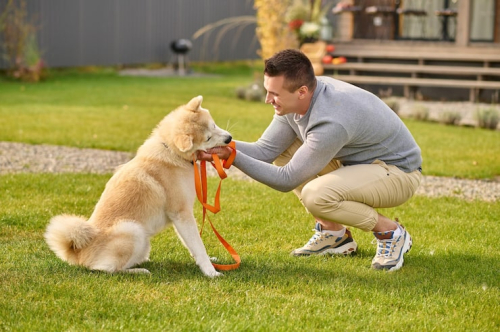
The streets of San Francisco’s Mission District pulse with energy food trucks sending up clouds of steam, vibrant murals catching the afternoon light, and a growing chorus of puppy paws pattering along crowded sidewalks. In this compact, fast-paced urban landscape, where tiny apartments and shared public spaces demand adaptable companions, a quieter revolution is underway. More dog owners are embracing positive reinforcement training, favoring rewards over reprimands to foster trust, confidence, and genuine partnership between humans and their canine family members.
This isn’t merely a passing preference; it’s a fundamental evolution in how city dwellers approach raising dogs, particularly in vibrant enclaves like the Mission, Potrero Hill, SoMa, Dogpatch, and neighboring Noe Valley and Bernal Heights. The methods draw from proven educational principles reward progress, gently guide missteps, and maintain enthusiasm principles that resonate deeply when applied to canine learners.
Your dog’s daily struggles pulling, mealtime anxiety, or reactivity don’t just cause stress, they chip away at the joy of being together. At Prime Paw, our positive reinforcement-based programs meet your dog where they are and build confidence, connection, and real skills. Our tailored programs in-person classes, coaching, and online resources help you enjoy calmer walks, relaxed routines, and a deeper connection. Ready for lasting change? Schedule a Prime Paw consultation today!
Understanding the Power of Positive Reinforcement
Traditional dog training once relied heavily on dominance and correction, with tools like choke chains enforcing compliance through discomfort. Modern science has shifted the paradigm decisively toward humane, evidence-based approaches.
Positive reinforcement operates on the core principles of operant conditioning: rewarding desired behaviors with something the dog values whether a tasty treat, enthusiastic praise, a favorite toy, or a quick game to increase the likelihood those behaviors will recur. As detailed by the American Kennel Club, this method is far from bribery. It harnesses the science of animal learning, creating immediate, positive associations that motivate dogs to engage willingly. The result is an eager, cooperative partner rather than one responding out of fear. Unlike classical conditioning (famously demonstrated by Pavlov’s dogs salivating at a bell), operant conditioning focuses on voluntary actions shaped by consequences, making positive reinforcement particularly effective for building lasting skills and strong emotional bonds.
In dense cities like San Francisco, this approach excels. It equips dogs to navigate noisy streets, elevators, and bustling crowds with calm confidence rather than anxiety.
Market Momentum: Why Demand Is Surging
The appetite for ethical, effective dog training has fueled remarkable industry growth. The global dog training services market stood at USD 33.27 billion in 2024 and is expected to reach USD 36.46 billion in 2025, expanding steadily to USD 75.92 billion by 2033 at a compound annual growth rate (CAGR) of 9.6% from 2025 to 2033. Urbanization, evolving lifestyles, and heightened recognition of dogs as emotional support companions drive this expansion. Professional offerings now include diverse formats private one-on-one sessions, group classes for socialization, online courses, workshops, and immersive board-and-train programs all designed to address everything from basic obedience to complex behavioral challenges while strengthening the human-canine relationship.
The wider pet services market mirrors this trajectory. Valued at USD 60.08 billion globally in 2024, it is projected to grow to USD 125.77 billion by 2033, with a CAGR of 8.58% from 2025 to 2033. North America commanded the largest revenue share (38.46%) in 2024, led by the United States. Commercial facilities remain the dominant delivery channel, while rising disposable incomes empower owners to invest in premium, customized experiences including personalized training that elevates pet’s comfort, mental stimulation, and overall quality of life in urban settings.
These figures reflect a broader cultural shift: San Francisco residents increasingly seek structured, science-backed programs that fit apartment living and busy routines, turning potential behavioral headaches into opportunities for joy and connection.
Real-Life Impact in San Francisco Neighborhoods
Walk into a small-group session in the Mission District, and you’ll see the approach in action. A spirited young Lab mix approaches a trainer with bright eyes, receiving a quick treat for a steady sit amid distractions. Pulling on the leash draws no sharp correction only calm redirection and rewards that encourage the pup to choose better options. Classes weave essential obedience with play-based learning, transforming early chaos into confident, engaged behavior.
Across Potrero Hill, similar programs have taken root, with local owners sharing transformations on community channels: reduced reactivity on walks, smoother daily routines, and noticeably deeper bonds. These successes highlight how consistent, reward-focused training delivers measurable results in real urban environments.
Local providers like PrimePaw exemplify the trend. Operating in the heart of the city since 2015, they specialize in positive reinforcement (R+) methods, offering small-group puppy training that combines obedience fundamentals, socialization, and confidence-building in safe, supervised spaces. Trainers customize each session to the individual dog’s temperament and needs, creating an enriching experience that feels collaborative rather than corrective. The emphasis on trust and joyful learning sets these programs apart in a market increasingly valuing ethical, relationship-centered care.
Overcoming Common Concerns
Challenges persist in a high-cost, high-energy city. In upscale areas like SoMa and Dogpatch, the expense of professional training prompts hesitation: “Is it truly necessary?” Time-strapped professionals also wonder how to fit sessions into packed calendars.
The evidence suggests the return on investment is substantial. Even brief, regular sessions often yield significant improvements fewer household stresses, prevention of escalating issues, and long-term harmony. While some owners remain attached to traditional forceful techniques, the scientific consensus favors force-free methods for sustainable outcomes without compromising welfare or the dog-owner relationship.
Looking Ahead: A Brighter Future for Urban Dogs
As ethical, evidence-based training gains traction, positive reinforcement is set to dominate in San Francisco and similar cities. Neighborhoods like Noe Valley and Bernal Heights show the same momentum, with rising interest in programs that produce well-adjusted, happy dogs amid urban demands.
The benefits extend far beyond polished manners. Deeper bonds translate to calmer households, reduced shelter intakes, and stronger community ties. For training businesses, this creates a virtuous cycle of satisfied clients, organic referrals, and opportunities to differentiate through personalization and genuine care.
If you’re raising a puppy in the Mission, Potrero Hill, or nearby, positive reinforcement offers a proven path forward. Begin with small commitments, prioritize consistency, and select experienced trainers who emphasize science and compassion. The rewards tail wags, relaxed walks, and unbreakable trust may become the most rewarding part of life in this dynamic city.
Frequently Asked Questions
What is positive reinforcement dog training and how does it work?
Positive reinforcement dog training is a science-based method that rewards desired behaviors with treats, praise, toys, or play to encourage dogs to repeat those behaviors. Unlike traditional correction-based approaches, this method uses operant conditioning principles to create positive associations, resulting in eager, cooperative dogs who respond willingly rather than out of fear. It’s particularly effective in urban environments like San Francisco, where dogs need to navigate busy streets, elevators, and crowds with calm confidence.
How much does professional dog training cost in San Francisco, and is it worth the investment?
While professional dog training in high-cost areas like San Francisco’s Mission District, SoMa, and Dogpatch can be expensive, the return on investment is substantial. Even brief, regular sessions often yield significant improvements including reduced household stress, prevention of escalating behavioral issues, and long-term harmony between you and your dog. The global dog training services market reached $33.27 billion in 2024 and continues growing rapidly, reflecting widespread recognition that professional training is a valuable investment in your dog’s quality of life.
What should I look for when choosing a dog trainer in San Francisco?
Look for trainers who specialize in positive reinforcement (R+) methods and offer customized sessions based on your dog’s individual temperament and needs. The best programs combine obedience fundamentals with socialization and confidence-building in safe, supervised environments, using science-backed approaches rather than forceful techniques. Local providers should emphasize trust, joyful learning, and relationship-centered care particularly important in dense urban neighborhoods where dogs face unique challenges like navigating crowded sidewalks and noisy distractions.
Disclaimer: The above helpful resources content contains personal opinions and experiences. The information provided is for general knowledge and does not constitute professional advice.
You may also be interested in: Our Training Services
Your dog’s daily struggles pulling, mealtime anxiety, or reactivity don’t just cause stress, they chip away at the joy of being together. At Prime Paw, our positive reinforcement-based programs meet your dog where they are and build confidence, connection, and real skills. Our tailored programs in-person classes, coaching, and online resources help you enjoy calmer walks, relaxed routines, and a deeper connection. Ready for lasting change? Schedule a Prime Paw consultation today!
Powered by flareAI.co