
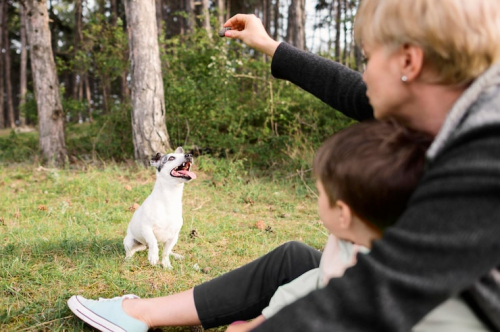
In the heart of San Francisco, where narrow streets buzz with foot traffic and every corner holds a new distraction, raising a well-mannered puppy demands more than good intentions. The single most powerful predictor of long-term success remains unwavering consistency in training. Amid the steep hills of Potrero Hill, the vibrant energy of the Mission District, and the fast-paced rhythm of SoMa, sporadic lessons rarely produce the calm, confident companion most owners envision. Daily, structured reinforcement, however, transforms even the most spirited pup into a reliable urban citizen.
High-density living magnifies every inconsistency. A cue rewarded one day and ignored the next quickly teaches a puppy that obedience is optional. Yet when owners and trainers maintain steady expectations, puppies learn faster, retain skills longer, and handle the city’s chaos with greater ease. Insights from local behavior specialists, university research, and industry data all point to the same conclusion: in San Francisco, consistency is not merely advantageous it is indispensable.
Your dog’s daily struggles pulling, mealtime anxiety, or reactivity don’t just cause stress, they chip away at the joy of being together. At Prime Paw, our positive reinforcement-based programs meet your dog where they are and build confidence, connection, and real skills. Our tailored programs in-person classes, coaching, and online resources help you enjoy calmer walks, relaxed routines, and a deeper connection. Ready for lasting change? Schedule a Prime Paw consultation today!
Why Consistency Carries Extra Weight in San Francisco
San Francisco shelters one of the highest concentrations of dogs per capita in California. Licensed animals number in the tens of thousands, with countless others unlicensed, and the city’s extensive network of off-leash parks exposes young dogs to a constant stream of novel stimuli joggers darting past, bicycles whizzing by, unfamiliar dogs charging in play. In compact neighborhoods such as Dogpatch or Bernal Heights, apartments offer little buffer against external noise and movement, leaving almost no margin for training errors.
When reinforcement wavers, progress unravels rapidly. A recall cue that works flawlessly inside the living room can collapse on a crowded sidewalk if rewards arrive inconsistently. Over weeks and months, that uncertainty compounds into hesitation, anxiety, or outright defiance exactly the behaviors that jeopardize safety near busy intersections or in packed recreation areas.
Behavioral Science and Market Trends Underline the Value of Repetition
Research from the University of California, Davis School of Veterinary Medicine demonstrates that early, repeated positive reinforcement strengthens reliable recall and significantly reduces anxiety-related conduct. Predictable routines prove especially effective in environments overloaded with sensory input, helping puppies develop the impulse control needed to navigate urban life.
The broader industry mirrors this emphasis on foundational consistency. Industry analysis shows the global dog training services market was valued at USD 3.53 billion in 2024. It is expected to expand from USD 3.72 billion in 2025 to USD 5.54 billion by 2030, reflecting a steady compound annual growth rate of 8.25% across the forecast period (2025–2030). North America dominates the landscape, propelled by elevated pet ownership, well-developed training networks, and increasing consumer investment in obedience programs. First-time owners and rescue adopters drive much of the demand for basic behavior correction, while obedience training continues to hold the largest global share.
These patterns resonate strongly in San Francisco, where early, dependable intervention equips dogs to thrive amid dense living conditions rather than develop stress-induced habits that prove difficult to reverse.
Rising Preferences Among San Francisco Pet Owners
Owners in Noe Valley, the Castro District, and Bernal Heights increasingly favor programs that weave structured socialization into professional training sessions.
- Controlled, supervised play lowers fearfulness and nurtures social confidence.
- Expert guidance keeps every interaction constructive and secure.
- Positive reinforcement techniques, widely endorsed by the American Veterinary Society of Animal Behavior, consistently outperform punitive methods in both effectiveness and long-term welfare outcomes.
In innovation-driven pockets such as SoMa and Dogpatch, many owners also integrate technology session video recaps, customized daily homework, and behavioral tracking applications that make consistent follow-through feasible even with demanding schedules.
Lessons from Real San Francisco Puppies
A young Labrador retriever living in a Mission District flat initially faltered on recall amid the sensory overload of Valencia Street. By committing to short, frequent practice sessions that progressed methodically from quiet indoor settings to gradually busier outdoor locations, the owner achieved dependable responses in just weeks. Steady rewards and calm repetition made the difference.
By contrast, a family in Noe Valley encountered setbacks after irregular class attendance. Extended gaps allowed cues to fade, socialization momentum to stall, and small problems to escalate. The frequently cited concern “lack of time to attend classes consistently” turned out to carry real consequences, illustrating how readily inconsistency can derail otherwise promising starts.
Confronting the City’s Core Training Obstacles
San Francisco presents formidable hurdles: relentless ambient noise, sudden public-transit sounds, and the unpredictable dynamics of popular dog parks. Professionals concentrated in SoMa and Potrero Hill frequently cite time scarcity as a barrier, while cost hesitation surfaces regularly “Does professional training justify the expense?”
Yet data from San Francisco Animal Care & Control and wider surrender trends reveal that preventable behavioral issues rank among leading reasons dogs are relinquished. Consistent early training markedly reduces destructive chewing, chronic barking, and reactivity challenges that often trigger costly veterinary emergencies or force difficult rehoming decisions. The upfront commitment typically delivers substantial downstream savings in both money and emotional strain.
Benefits for Owners, Providers, and the Community
Dogs that receive steady guidance enjoy tangible advantages:
- Lower stress levels amid heavy pedestrian flow and traffic.
- Greater ease adjusting to the demands of apartment and city living.
- Reduced risk of surrender due to manageable behavior concerns.
Training businesses that deliver personalized plans tailored to each puppy’s unique temperament, integrate socialization within one secure supervised space, and apply positive reinforcement delivered by seasoned instructors align closely with the priorities of thoughtful owners in upscale areas such as Noe Valley and Potrero Hill.
On a broader scale, neighborhoods benefit from a culture of responsible ownership safer parks, courteous off-leash interactions, and an overall improvement in shared public spaces.
The Neurological Edge of Steady Reinforcement
UC Davis studies illustrate how consistent rewards forge clear neural pathways, dampen stress responses, and accelerate reliable cue associations. In high-distraction settings like San Francisco sidewalks, erratic signals sow confusion; dependable ones cultivate resilience and clarity.
Local experts widely concur: puppies that experience uniform guidance through their critical first 16 weeks display markedly superior self-control and adaptability in densely populated districts.
The San Francisco Blueprint for Puppy Success
From the lively Mission District to quiet Bernal Heights corners, effective puppy training goes far beyond teaching commands it equips dogs to flourish amid constant urban surprises. Verified research from California institutions and robust global market expansion data affirm that steady reinforcement quickens learning, prevents regression caused by inconsistency, and builds lasting resilience through deliberate social exposure.
For professionals balancing intense careers with small living spaces, the equation is unambiguous: consistency stands as a non-negotiable requirement rather than an optional extra. Embrace daily practice, choose programs built around individualized attention and humane methods, and witness your puppy mature into a poised, adaptable companion fully equipped for life in one of America’s most demanding canine environments.
Frequently Asked Questions
Why is consistency so important in puppy training, especially in urban environments?
Consistency is the most powerful predictor of long-term training success because it helps puppies learn faster and retain skills longer. In high-density urban areas like San Francisco, where dogs face constant distractions from traffic, crowds, and noise, inconsistent training can quickly unravel progress and lead to anxiety or defiance. Research from UC Davis shows that steady, positive reinforcement creates clear neural pathways and helps puppies develop the impulse control needed to navigate busy city life safely.
How does consistent training help prevent behavioral problems in city dogs?
Consistent early training significantly reduces common behavioral issues like destructive chewing, chronic barking, and leash reactivity problems that are among the leading reasons dogs are surrendered to shelters. When puppies receive steady guidance through their critical first 16 weeks, they develop lower stress levels, greater adaptability to apartment living, and improved self-control in high-distraction environments. This preventive approach saves owners substantial money and emotional strain compared to addressing behavioral problems later.
What makes a puppy training program effective for San Francisco dogs?
Effective programs combine personalized plans tailored to each puppy’s temperament, supervised socialization in controlled environments, and positive reinforcement techniques delivered by experienced trainers. Programs that integrate structured play with professional training sessions help puppies build social confidence while learning obedience skills. The key is choosing programs that support daily practice and consistent follow-through, as even short, frequent training sessions progressing from quiet indoor settings to gradually busier outdoor locations produce reliable results in urban environments.
Disclaimer: The above helpful resources content contains personal opinions and experiences. The information provided is for general knowledge and does not constitute professional advice.
You may also be interested in: Prime Paw – Based in San Francisco, we strive to educate our
Your dog’s daily struggles pulling, mealtime anxiety, or reactivity don’t just cause stress, they chip away at the joy of being together. At Prime Paw, our positive reinforcement-based programs meet your dog where they are and build confidence, connection, and real skills. Our tailored programs in-person classes, coaching, and online resources help you enjoy calmer walks, relaxed routines, and a deeper connection. Ready for lasting change? Schedule a Prime Paw consultation today!
Powered by flareAI.co