
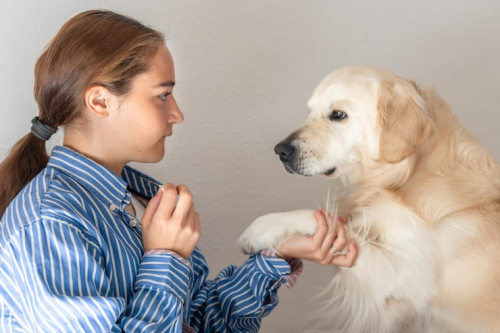
Every puppy parent in San Francisco has experienced that thrilling first encounter at a local park the tentative sniff, the wagging tails, and the rapid bursts of playful energy. Yet these moments, while endearing, require thoughtful guidance. Successfully introducing your puppy to other dogs in bustling neighborhoods like the Mission District, SoMa, Dogpatch, Bernal Heights, Castro District, Potrero Hill, and Noe Valley is crucial for raising a confident, well-adjusted dog.
Your dog’s daily struggles pulling, mealtime anxiety, or reactivity don’t just cause stress, they chip away at the joy of being together. At Prime Paw, our positive reinforcement-based programs meet your dog where they are and build confidence, connection, and real skills. Our tailored programs in-person classes, coaching, and online resources help you enjoy calmer walks, relaxed routines, and a deeper connection. Ready for lasting change? Schedule a Prime Paw consultation today!
The Importance of Early Socialization
Puppies have a critical window for social development, typically between three and sixteen weeks. During this period, their brains are highly receptive to new experiences, shaping future behavior. The San Francisco SPCA emphasizes that structured, positive interactions help young dogs develop confidence, effective communication skills, and bite inhibition. In an urban setting, however, the abundance of stimuli from crowded streets to noisy sidewalks can overwhelm a puppy if introductions are not carefully managed.
Early socialization goes beyond just meeting other dogs. It teaches puppies how to navigate complex social environments, respond to unexpected scenarios, and feel secure in diverse settings. These skills are invaluable in San Francisco’s densely populated neighborhoods.
Optimal Local Spaces for Puppy Play
San Francisco offers an array of dog-friendly parks ideal for controlled socialization. Mission Dolores Park off-leash zones provide opportunities for puppies to interact under observation, while Duboce Park in Noe Valley serves as a community favorite for early social encounters. These areas operate under city regulations that include vaccination verification and leash rules, ensuring safe play for young pups.
Using these local spaces strategically allows puppies to build social skills at their own pace. Observing interactions, learning to interpret canine body language, and navigating the urban environment are all part of the growth process.
Structured Socialization Programs
While open parks are valuable, structured programs provide guided learning. Dogpatch Puppy Socials host weekly sessions focusing on gentle interaction and social skill development. Similarly, Bernal Beast Puppy Socials offer trainer-led guidance to ensure positive experiences without overwhelming the pups.
Programs like It’s a Dog’s World SF and SF Puppy Prep teach essential skills such as reading body language, building environmental confidence, and interacting appropriately with peers. These structured sessions are particularly beneficial for urban puppies who must navigate both canine and human social norms.
Best Practices for Puppy Introductions
Preparing for the First Meeting
Before your puppy meets other dogs, ensure vaccinations are current and your pup is parasite-free. Selecting neutral, low-traffic areas reduces anxiety, while calm supervision sets the stage for positive interactions. As highlighted by the SPCA, early preparation helps prevent fear-based reactions and fosters positive social habits.
Managing the Interaction
Keep initial encounters brief, focusing on short sniffing sessions and gentle engagement. Closely observe your puppy’s body language and intervene if signs of stress appear. Controlled guidance during these first interactions teaches your puppy social cues and acceptable play behavior.
Reinforcing Positive Behavior
After play, reward calm and friendly behavior with praise or treats. Allow a cool-down period and gradually increase exposure to other dogs over time. Consistent, positive reinforcement encourages confident and adaptable social behavior, which is vital for city living.
Urban Challenges for Puppy Owners
San Francisco presents unique challenges for socialization. Parks like Mission Dolores and Duboce can become crowded, potentially overwhelming sensitive puppies. Off-peak visits, shorter sessions, and selecting quieter areas are practical strategies. Behavioral risks, including dog-to-dog aggression or resource guarding, can emerge without structured guidance, making early socialization crucial.
Urban wildlife can further complicate outdoor play. Sightings of coyotes in neighborhoods such as Bernal Heights underscore the importance of secure, supervised off-leash time.
Community and Professional Support
San Francisco benefits from a network of organizations and trainers dedicated to responsible dog ownership. SFDOG offers educational resources, advocacy, and social events to promote healthy socialization. Collaborating with local trainers or shelters ensures puppies develop strong social skills, while owners gain confidence managing interactions in an urban setting.
Trends in Dog Socialization
The pet services market reflects a growing recognition of socialization’s importance. Grand View Research (2024) notes that North America leads the global pet services industry, with owners increasingly investing in premium services, including training programs, boutique boarding, and socialization initiatives. Urban centers like San Francisco are experiencing heightened demand for structured dog training, offering practical solutions for busy owners seeking to cultivate well-adjusted companions.
Professional programs now offer a range of options from basic obedience to behavior modification, reinforcing the human-animal bond and helping dogs thrive in busy neighborhoods.
Final Thoughts: Raising Confident Urban Puppies
Introducing your puppy to other dogs in San Francisco combines careful planning, structured guidance, and consistency. By prioritizing positive interactions, leveraging local parks, socialization programs, and professional trainers, owners can cultivate confident, socially adept pups. Attentive observation and gradual exposure ensure each encounter strengthens skills and builds resilience. Whether walking through SoMa, enjoying Dogpatch parks, or meeting friends at Mission Dolores, these practices lay the foundation for a happy, well-adjusted, and socially savvy adult dog.
Frequently Asked Questions
What is the best age to start socializing a puppy with other dogs?
The ideal window for puppy socialization is between three and sixteen weeks of age. During this critical period, a puppy’s brain is highly receptive to new experiences, making it the best time to introduce them to other dogs and varied environments. Early, positive interactions during this stage help build confidence, effective communication skills, and bite inhibition that last into adulthood.
Where are the best places in San Francisco to socialize a puppy?
San Francisco has several excellent dog-friendly spots for safe puppy socialization, including the off-leash zones at Mission Dolores Park and Duboce Park. These city-regulated areas require vaccination verification and follow leash rules to keep young pups safe. For more structured experiences, programs like Dogpatch Puppy Socials, Bernal Beast Puppy Socials, and SF Puppy Prep offer trainer-led sessions tailored to urban puppies.
How do you safely introduce a puppy to other dogs for the first time?
Start by ensuring your puppy is fully vaccinated and parasite-free before any dog-to-dog meetings. Choose a neutral, low-traffic area and keep the first interaction brief short sniffing sessions in a calm environment help prevent fear-based reactions. Watch closely for signs of stress in your puppy’s body language, and always follow up with praise or treats to reinforce friendly, relaxed behavior.
Disclaimer: The above helpful resources content contains personal opinions and experiences. The information provided is for general knowledge and does not constitute professional advice.
You may also be interested in: PrimePaw Homepage – Prime Paw
Your dog’s daily struggles pulling, mealtime anxiety, or reactivity don’t just cause stress, they chip away at the joy of being together. At Prime Paw, our positive reinforcement-based programs meet your dog where they are and build confidence, connection, and real skills. Our tailored programs in-person classes, coaching, and online resources help you enjoy calmer walks, relaxed routines, and a deeper connection. Ready for lasting change? Schedule a Prime Paw consultation today!
Powered by flareAI.co