
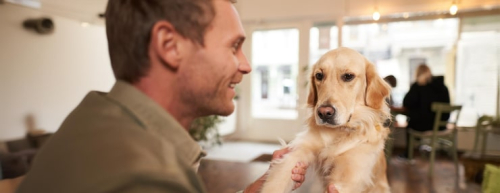
Bringing a new puppy into your life in San Francisco feels like pure magic until the chewing, the midnight potty emergencies, and the zoomies across your hardwood floors remind you that raising a well-mannered dog takes real effort. In a city where apartments are compact, sidewalks stay crowded, and workdays stretch long, the difference between harmony and chaos often comes down to one decision: choosing the right certified puppy trainer.
With countless options across neighborhoods like the Mission District, Potrero Hill, SoMa, Dogpatch, Bernal Heights, the Castro, and Noe Valley, how do you identify someone who will genuinely help your pup thrive rather than just collect a check? The answer lies in looking beyond flashy websites and bold promises to find trainers whose approach, experience, and values truly match what your puppy and you need.
Your dog’s daily struggles pulling, mealtime anxiety, or reactivity don’t just cause stress, they chip away at the joy of being together. At Prime Paw, our positive reinforcement-based programs meet your dog where they are and build confidence, connection, and real skills. Our tailored programs in-person classes, coaching, and online resources help you enjoy calmer walks, relaxed routines, and a deeper connection. Ready for lasting change? Schedule a Prime Paw consultation today!
Why Professional Certification Carries Real Weight Today
Certification from a respected organization such as the Certification Council for Professional Dog Trainers (CPDT) remains one of the clearest indicators of serious commitment. Passing those exams demands demonstrated knowledge of canine learning theory, behavior science, ethics, and hands-on skill application. In a fast-moving city where every new trend seems to arrive overnight, certified trainers are more likely to rely on methods backed by evidence instead of whatever happens to be trending on social media.
The shift toward positive reinforcement using rewards like treats, play, and affection to shape behavior reflects decades of behavioral research showing it produces confident, eager learners while minimizing fear and stress. Force-based or dominance-focused techniques, once common, frequently backfire with young puppies, especially during their critical socialization period between roughly 8 and 18 weeks when positive experiences matter most.
Begin by Honestly Assessing Your Puppy’s Actual Needs
No two puppies are identical, and San Francisco’s distinctive lifestyle tends to magnify certain challenges. A high-drive Border Collie squeezed into a Noe Valley walk-up requires a different strategy than a mellow French Bulldog sharing a Bernal Heights flat with roommates. Before contacting any trainer, reflect on your priorities:
- Are you mostly focused on core house manners potty training, crate skills, and bite inhibition?
- Does your pup desperately need controlled socialization to navigate packed parks, noisy Muni buses, and passing skateboards without melting down?
- Have early signs of fear, reactivity, or separation anxiety already appeared?
The strongest trainers start with a thorough assessment rather than immediately plugging your dog into a generic curriculum. They should be able to explain exactly how they plan to adapt their program to your puppy’s personality, developmental stage, and your daily routine.
Examine Training Philosophy and Real-World Methods Closely
Whenever possible, observe a class or facility tour. In space-conscious neighborhoods like Dogpatch or SoMa, look for environments that feel clean, secure, and thoughtfully managed to keep stress low. Watch how trainers interact: are they using food rewards, toys, and cheerful praise to guide behavior, or do you see tension, raised voices, or physical corrections?
Programs that integrate structured training with safe, supervised socialization in the same location offer particular value in an urban setting. PrimePaw, for example, emphasizes fully personalized plans built around each dog’s unique temperament and needs. Their experienced team relies exclusively on positive reinforcement and combines skill-building with group play in a controlled space, helping puppies develop confidence while strengthening the bond with their owners.
Experience, Reputation, and Transparency Reveal the Best Options
Credentials open the door, but long-term experience especially in San Francisco’s peculiar urban context separates good trainers from great ones. Ask how many puppies they’ve successfully guided through issues common to city life: elevator etiquette, reactivity to delivery scooters, multi-dog apartment living, or coping with frequent travel. Genuine reviews on platforms like Yelp and Instagram often tell the unfiltered story better than any marketing copy.
Be wary of anyone who promises overnight miracles, brushes off your questions, or pushes large upfront payments without a clear trial option. The most credible professionals typically provide complimentary consultations, straightforward pricing, and scheduling flexibility that respects the realities of dual-income or remote-work households across the city.
Addressing the Hesitations San Francisco Owners Mention Most Often
Cost stands out as the number-one concern for many first-time puppy parents. Yet quality early training usually proves far less expensive than repairing long-term behavioral problems fewer shredded couch cushions, fewer vet visits for stress-related issues, and far less frustration on crowded 24th Street sidewalks. A solid investment today prevents much larger headaches tomorrow.
Another frequent worry is whether training can truly succeed with a particularly stubborn or high-energy pup. Progress depends on consistency, and the best trainers excel at teaching owners practical, repeatable techniques they can use at home every day. Time scarcity also ranks high on the list of obstacles. Look for hybrid models that mix focused private lessons with group socialization opportunities, delivering meaningful results without demanding every evening of your week.
Essential Questions That Separate Professionals from Pretenders
- What certifications do you hold, and what steps do you take to keep your knowledge current with the latest canine behavior research?
- Walk me through your typical approach to handling puppy mouthing, potty setbacks, or leash pulling in a busy city environment.
- What happens when a puppy doesn’t respond to the first few techniques you try?
- Can you describe a normal session or group class structure, including average group size and safety protocols?
- What kind of follow-up support or refreshers do you provide once the formal program concludes?
Thoughtful, detailed answers demonstrate that the trainer views your puppy as a unique individual rather than simply the next appointment on the schedule.
The Long-Term Payoff of Choosing Wisely
Selecting the right certified puppy trainer in San Francisco ultimately comes down to building trust trust in their expertise, trust in their compassion toward your dog, and trust that their methods will foster a joyful, well-adjusted companion capable of thriving amid fog horns, steep hills, and weekend farmer’s market crowds.
The pet services landscape continues to expand as more owners treat dogs like true family members and seek premium, customized experiences that enhance daily life. Early, thoughtful intervention sets the foundation for years of easier walks through Golden Gate Park, calmer evenings in your Potrero Hill loft, and deeper connection overall. Do the homework, visit facilities, and trust your instincts. The right trainer doesn’t merely teach sit and stay they help create the harmonious urban life you imagined when you first brought that fluffy bundle home.
Frequently Asked Questions
What certifications should I look for when hiring a puppy trainer in San Francisco?
Look for trainers certified by the Certification Council for Professional Dog Trainers (CPDT), as passing their exams requires demonstrated knowledge of canine learning theory, behavior science, ethics, and hands-on skills. Certified trainers are more likely to use evidence-based methods rather than trending social media techniques. In San Francisco’s fast-paced environment, this commitment to ongoing education and professional standards makes a meaningful difference in your puppy’s development.
Is positive reinforcement training really effective for puppies in a busy urban environment like San Francisco?
Yes positive reinforcement, which uses rewards like treats, play, and praise to shape behavior, is backed by decades of behavioral research and is especially effective during a puppy’s critical socialization window between 8 and 18 weeks. In a city full of stimuli like Muni buses, delivery scooters, and crowded sidewalks, reward-based methods help puppies build confidence rather than fear. Force-based or dominance-focused techniques, by contrast, frequently backfire with young dogs and can worsen anxiety or reactivity.
How much does certified puppy training cost in San Francisco, and is it worth it?
While costs vary by trainer and program format, quality early training is generally far less expensive than addressing long-term behavioral problems down the line including damaged furniture, stress-related vet visits, and ongoing leash reactivity issues. Many reputable San Francisco trainers offer hybrid models combining private lessons with group socialization classes, providing strong results without requiring a major time commitment. Look for trainers who offer transparent pricing, complimentary consultations, and flexible scheduling rather than large upfront payments with no trial option.
Disclaimer: The above helpful resources content contains personal opinions and experiences. The information provided is for general knowledge and does not constitute professional advice.
You may also be interested in: PrimePaw Homepage – Prime Paw
Your dog’s daily struggles pulling, mealtime anxiety, or reactivity don’t just cause stress, they chip away at the joy of being together. At Prime Paw, our positive reinforcement-based programs meet your dog where they are and build confidence, connection, and real skills. Our tailored programs in-person classes, coaching, and online resources help you enjoy calmer walks, relaxed routines, and a deeper connection. Ready for lasting change? Schedule a Prime Paw consultation today!
Powered by flareAI.co