
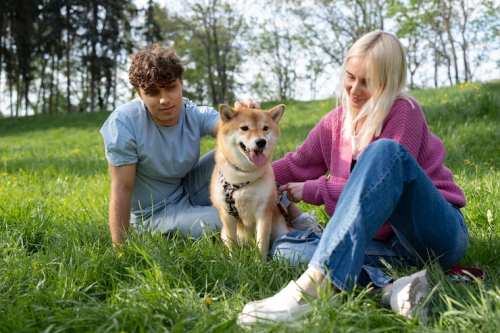
Bringing a new puppy home feels like the start of an adventure packed with sloppy kisses and boundless energy. Yet for many families in San Francisco’s tight-knit neighborhoods, that joy quickly collides with reality: chewed furniture, midnight zoomies, and the occasional accident on the living room rug. If you’ve ever found yourself searching for answers amid the chaos of life in the Mission District, Potrero Hill, or SoMa, you’re not alone. With North America leading the dog training services market due to high pet ownership, more families than ever are discovering the benefits of professional guidance. Whether you’re simply wondering about group puppy training classes or already planning to sign up, the experience is far more welcoming and effective than most first-timers imagine.
Your dog’s daily struggles pulling, mealtime anxiety, or reactivity don’t just cause stress, they chip away at the joy of being together. At Prime Paw, our positive reinforcement-based programs meet your dog where they are and build confidence, connection, and real skills. Our tailored programs in-person classes, coaching, and online resources help you enjoy calmer walks, relaxed routines, and a deeper connection. Ready for lasting change? Schedule a Prime Paw consultation today!
Why Group Classes Work So Well for Puppies
Puppies are social creatures by nature. A group setting mirrors the pack dynamic they crave, giving them built-in opportunities to learn from one another while absorbing lessons from a skilled trainer. In the safe, supervised environment that defines these classes, your puppy practices focus amid distractions the very skills needed for real-world walks through Dogpatch or playtime in Bernal Heights parks. The format also keeps things light and fun, so learning never feels like a chore. Group classes stand out because they combine training with socialization in one controlled location, a powerful approach that addresses multiple needs at once.
Beyond the obvious obedience commands, the real magic happens through consistent exposure to other dogs. Shy pups gain confidence, bold ones learn impulse control, and every participant walks away with improved social skills that make everyday life smoother for the whole family. Experienced trainers use positive reinforcement methods tailored to each dog’s unique behavior and needs, ensuring progress feels natural and lasting rather than forced.
A Typical Session: From Greeting to Goodbye
Walk into a group puppy class and the energy is immediate tails wagging, soft barks, the occasional playful tumble. Most sessions begin with a quick check-in, where trainers note each puppy’s mood and progress. Then comes the warm-up: simple recall games or loose-leash walking drills that get everyone moving and focused right away.
The middle portion dives into the week’s focus perhaps “sit-stay” one week, “leave it” the next always using positive reinforcement techniques that reward good choices rather than punish mistakes. Expect plenty of play breaks too; these aren’t rigid lectures but lively, interactive experiences where puppies learn by doing. Trainers adjust on the spot, offering personalized cues that respect each dog’s personality and pace.
Sessions usually run 45 to 60 minutes, making them realistic even for busy professionals juggling Castro District commutes or Noe Valley errands. By the end, owners leave with clear homework and a sense of accomplishment that carries through the week, turning small daily practices into lasting habits.
The Power of Socialization in a Controlled Space
One of the biggest advantages of group training is the built-in socialization component. Puppies meet a variety of breeds, sizes, and personalities in a safe setting where trainers can step in if play gets too rough. This early exposure prevents many of the fear-based behaviors that show up later in life, creating well-adjusted dogs ready for the diverse encounters of city living.
Owners often notice their pups become more relaxed around strangers, other dogs, and new environments skills that translate directly to confident adventures around San Francisco’s parks and sidewalks. The supervised nature means every interaction teaches boundaries without risk, creating a foundation of trust that lasts a lifetime. This combination of training and socialization in one location delivers results that feel both immediate and enduring.
Personalized Attention Within the Group Dynamic
Great group classes never feel like one-size-fits-all. Experienced trainers watch each puppy closely and adjust cues on the spot maybe offering a gentler approach for a timid rescue or an extra challenge for an energetic herding breed. This blend of group energy and individual guidance delivers results that private lessons alone sometimes miss, while still providing the social benefits puppies need most.
Positive reinforcement remains the cornerstone: treats, praise, and play replace outdated corrections. Puppies learn because they want to, not because they fear consequences. The result? Faster progress and a stronger bond between dog and owner, built on mutual respect and clear communication.
Addressing the Most Common Concerns
Many new puppy parents hesitate for understandable reasons, yet the structure of group classes directly addresses the most frequent objections with practical solutions.
- Concern about training cost: While the investment may seem significant upfront, a few weeks of expert guidance prevents far more expensive problems later such as damaged property or repeated veterinary visits after preventable incidents. The calmer household that follows makes the value clear almost immediately.
- Not sure if training will work for their puppy: Positive reinforcement methods succeed across breeds and personalities when applied consistently. Puppies that once seemed untrainable often show remarkable improvement once they understand the clear, rewarding system.
- Lack of time to attend classes consistently: Short, focused sessions plus simple home exercises fit around demanding schedules. The weekly rhythm actually makes consistency easier, not harder, for families in neighborhoods from SoMa to Bernal Heights.
Preparing for Your First Class
Arrive with a hungry puppy and pockets full of high-value treats. Wear comfortable shoes you’ll be moving. Most programs ask that puppies have their initial vaccinations, so double-check with your vet. Bring a favorite toy if your pup needs extra comfort, and leave expectations flexible. Some puppies dive right in; others observe for the first few minutes. Both approaches are normal and perfectly fine.
Trainers appreciate owners who stay present. Put the phone away, focus on your puppy, and celebrate small wins. The more engaged you are, the faster your pup learns. Simple preparation like this sets the stage for a productive and enjoyable experience.
Why San Francisco Puppies Thrive Here
In a city known for its hills, cable cars, and dog-friendly culture, group classes offer the perfect training ground. Local programs understand the unique challenges of urban puppy life tight sidewalks, bustling parks, and the need for rock-solid recall near traffic. Trainers familiar with the rhythms of Mission District mornings or Potrero Hill evenings tailor examples to real-life scenarios residents face daily.
The result is a puppy who doesn’t just behave in class but thrives on the streets, trails, and community spaces that make San Francisco special. From Noe Valley playdates to Castro District outings, these pups become confident ambassadors of good manners, turning potential stress into everyday enjoyment.
Looking Ahead: The Lasting Payoff
The true measure of success shows up months later when your once-chaotic puppy politely greets visitors, waits calmly at café patios, or enjoys off-leash time at the park without incident. Group training plants seeds that bloom into a lifetime of easier living together, supported by the personalized methods and safe socialization that define quality programs.
Whether you’re in your first month of puppy parenthood or already navigating the teenage phase, these classes deliver structure, community, and proven results. The bond you build in those weekly sessions becomes the foundation for years of joyful companionship, making every walk, every outing, and every quiet evening at home more rewarding.
Follow PrimePaw on Instagram and Facebook for extra tips between classes, seasonal advice, and glimpses of local graduates showing off their new skills. Your puppy’s best chapter is just getting started.
Frequently Asked Questions
What should I expect in my first group puppy training class?
Group puppy training classes typically begin with a trainer check-in to assess each puppy’s mood and progress, followed by warm-up exercises like recall games or loose-leash walking drills. Sessions then focus on a specific skill such as “sit-stay” or “leave it” using positive reinforcement techniques like treats, praise, and play. Classes usually run 45–60 minutes and wrap up with homework so owners can reinforce skills throughout the week.
Are group puppy training classes better than private lessons?
Group classes offer a unique advantage private lessons can’t replicate: built-in socialization. Puppies practice obedience commands while learning to focus around distractions, interact with different breeds and personalities, and develop impulse control all in one supervised setting. Experienced trainers still provide individualized attention within the group, adjusting their approach for shy, bold, or high-energy dogs as needed.
How do group puppy training classes help with socialization?
Group training gives puppies safe, structured exposure to a variety of dogs, people, and environments from an early age a critical window for preventing fear-based behaviors later in life. Under trainer supervision, every interaction teaches healthy boundaries without risk, helping puppies become more relaxed around strangers, other dogs, and new settings. This early socialization builds a foundation of confidence that directly translates to calmer, better-mannered behavior in everyday situations like park visits and neighborhood walks.
Disclaimer: The above helpful resources content contains personal opinions and experiences. The information provided is for general knowledge and does not constitute professional advice.
You may also be interested in: PrimePaw Homepage – Prime Paw
Your dog’s daily struggles pulling, mealtime anxiety, or reactivity don’t just cause stress, they chip away at the joy of being together. At Prime Paw, our positive reinforcement-based programs meet your dog where they are and build confidence, connection, and real skills. Our tailored programs in-person classes, coaching, and online resources help you enjoy calmer walks, relaxed routines, and a deeper connection. Ready for lasting change? Schedule a Prime Paw consultation today!
Powered by flareAI.co