
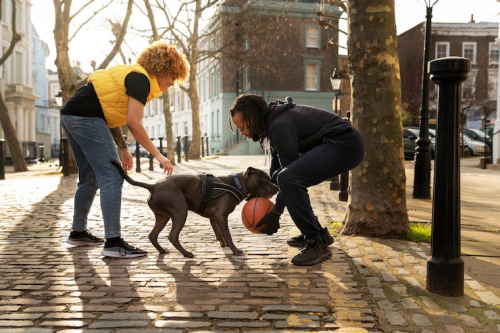
Picture this: You’re weaving through the lively streets of SoMa, your new puppy at your side. Suddenly, a siren wails, a skateboarder zips past, and your little one lunges forward or freezes in place. Urban life tosses constant surprises at puppies, turning everyday walks into tests of patience. That’s why targeted puppy training for behavior modification in urban dogs isn’t just helpful it’s often the key to building calm, confident companions who thrive amid the hustle of San Francisco neighborhoods from the Mission District to Potrero Hill and beyond.
Your dog’s daily struggles pulling, mealtime anxiety, or reactivity don’t just cause stress, they chip away at the joy of being together. At Prime Paw, our positive reinforcement-based programs meet your dog where they are and build confidence, connection, and real skills. Our tailored programs in-person classes, coaching, and online resources help you enjoy calmer walks, relaxed routines, and a deeper connection. Ready for lasting change? Schedule a Prime Paw consultation today!
Why City Life Demands a Different Approach to Puppy Training
Dogs in dense urban pockets like the Mission District, Potrero Hill, Dogpatch, Bernal Heights, the Castro District, and Noe Valley encounter a relentless mix of stimuli that rural or suburban puppies simply do not face. Crowded sidewalks teeming with pedestrians, sudden traffic noise, cable cars clanging overhead, and tight living quarters create an environment that can quickly trigger anxiety, overexcitement, or defensive behaviors. Limited access to open green space only heightens the challenge, turning routine outings into high-stakes tests of focus and composure.
Without specialized guidance tailored to these realities, early reactions harden into persistent habits such as leash pulling, excessive barking at strangers, or fear-based avoidance. Early intervention, however, reshapes those patterns effectively. Urban puppies are not acting out of spite; they are simply responding to an overwhelming sensory landscape. Thoughtful behavior modification equips them with practical coping skills, transforming potential chaos into relaxed, enjoyable daily experiences across San Francisco.
The most successful programs stand out by delivering personalized training based on each dog’s unique behavior and needs, while integrating structured lessons with socialization opportunities in one safe, supervised location. Positive reinforcement methods led by experienced trainers further accelerate progress, building trust rather than relying on outdated correction techniques.
Common Behavior Challenges in Urban Puppies
New owners in San Francisco often observe the same core issues emerging within weeks of bringing a puppy home. Leash reactivity frequently develops from the nonstop flow of people, bicycles, and scooters common in the Castro District and SoMa. Fear responses to loud city sounds can make even short walks through Dogpatch feel daunting. Jumping on visitors or nipping during excited play intensifies when apartments offer little room to redirect energy.
These behaviors stem directly from how puppies process the constant barrage of urban sensory input. In neighborhoods like Bernal Heights and Noe Valley, where staircases and shared parks mean frequent encounters with unfamiliar dogs and people, such reactions can escalate rapidly if left unaddressed. The key lies in recognizing that these patterns are environmental responses, not character flaws. With consistent, targeted guidance, even the most energetic city puppy can learn to pause, refocus, and navigate the streets with growing confidence.
Understanding these challenges allows owners to intervene early, preventing small issues from becoming entrenched problems that affect quality of life for both dog and human in tight urban quarters.
The Power of Positive Reinforcement in Behavior Change
Traditional approaches once emphasized correction and dominance, yet modern methods achieve superior results by building on rewards instead. Positive reinforcement relies on treats, praise, and play to mark and encourage desired actions, forging a stronger bond while eliminating fear or confusion. Experienced trainers who master this technique witness quicker adoption and more durable outcomes because puppies actively choose to engage.
In the bustling context of San Francisco, this approach proves especially powerful. A puppy taught that calm sitting earns immediate reward handles the unpredictable energy of Potrero Hill streets with far greater ease than one shaped by intimidation. The method simultaneously lowers stress levels for owner and dog alike, replacing struggle with genuine partnership. When delivered by skilled professionals, positive reinforcement aligns perfectly with the fast-paced, stimulus-rich realities of city living.
Personalized Training That Matches Your Puppy’s Unique Needs
Every puppy arrives with distinct temperament, energy levels, and past experiences, particularly in urban settings where early exposure varies widely. One dog may need brief, focused sessions to accommodate a demanding schedule in the Mission District, while another requires extra emphasis on socialization after limited initial interactions. Personalized programs begin with careful assessment of each individual’s behavior and needs before crafting a custom plan.
Trainers then adapt techniques in real time perhaps incorporating more interactive play for a timid pup or sharpening cue responses for an overly enthusiastic one. This individualized strategy produces faster, more lasting behavior modification because it honors the dog’s specific personality rather than forcing a generic template. Owners notice tangible improvements in focus, impulse control, and overall adaptability within weeks.
Combining Training and Socialization in One Safe Space
Urban puppies require both foundational skills and controlled practice with other dogs to develop properly. Leading programs unify these elements under a single roof: structured training sessions followed immediately by supervised group interactions in secure, managed environments. This integrated format stops unwanted habits from forming while simultaneously boosting confidence through carefully monitored positive encounters.
Owners avoid the inefficiency of traveling between separate classes and the risks associated with public dog parks. Instead, puppies master commands in one lesson and apply them directly during social time, all within the same safe setting. The supervised structure is particularly valuable in compact neighborhoods where every exposure must be deliberate and controlled to prevent setbacks.
Overcoming the Most Common Objections to Puppy Training
San Francisco owners frequently voice three understandable concerns before committing to professional programs. Cost ranks high among them, yet the long-term value becomes clear when weighed against avoided property damage, neighbor complaints, and emotional strain. Expert guidance also prevents minor issues from escalating into costly behavioral emergencies later.
Skepticism about effectiveness for a particular puppy is common as well. Positive reinforcement, grounded in decades of behavioral science, consistently succeeds across breeds and temperaments precisely because it meets each dog at its current level. Finally, time constraints worry busy professionals, but thoughtfully designed sessions remain short, engaging, and flexible to fit around work, commutes, and weekend plans in the city.
- Cost: View it as preventive investment that safeguards harmony at home and on the street.
- Effectiveness: Proven methods deliver reliable results when followed with consistency.
- Time commitment: Efficient, targeted classes integrate seamlessly into urban routines.
The Growing Demand for Expert Guidance in Urban Settings
Professional training services continue to gain momentum as city residents recognize their practical value for dogs navigating complex environments. The dog training services market has been growing rapidly due to the ever-increasing number of pet owners who have come to appreciate the importance of professional training services in improving their pet’s behavior, obedience, and social behavior. North America leads with approximately 50 to 55 percent share, reflecting strong demand driven by high pet ownership rates and greater awareness of expert support.
Across neighborhoods from Bernal Heights to the Castro District, this shift appears daily. Owners who previously managed alone now seek specialists attuned to the unique pressures of San Francisco living. The outcome surfaces in relaxed walks, reduced neighbor tensions, stronger household bonds, and dogs that genuinely relish urban exploration rather than merely tolerate it.
Getting Started with Behavior Modification That Fits San Francisco Life
Begin by noting your puppy’s reactions during real-world outings triggers on walks through Dogpatch or play sessions in Noe Valley parks. Seek programs that prioritize small class sizes, certified trainers familiar with local conditions, and seamless integration of in-person work with at-home reinforcement tools. The most effective options also provide ongoing support to ensure skills transfer smoothly into daily city routines.
Convenient facilities in the Mission District, for instance, supply easy access and purpose-built spaces that ready puppies for everything from sudden street noise to crowded sidewalks. Initiating the process between eight and eighteen weeks maximizes the developmental window before habits solidify. Consistent practice, combined with the right professional framework, quickly yields noticeable improvements in focus and calm.
A Calmer, Happier Future Awaits
Urban puppyhood presents distinct hurdles, yet it also delivers profound rewards when approached with insight. Thoughtful behavior modification converts the very same busy streets from sources of stress into shared adventures. Puppies develop the confidence to move through the world with poise, while owners reclaim freedom to enjoy San Francisco life side by side without constant worry.
These techniques succeed because they respect each dog’s individuality and the practical demands of city existence. Whether your home sits in Potrero Hill or the Castro District, the proper guidance transforms everyday challenges into lasting harmony. Your puppy deserves the tools to flourish here, and the right program makes that outcome not only possible but expected.
Frequently Asked Questions
Why do urban puppies need specialized behavior modification training?
Urban puppies face a uniquely intense sensory environment crowded sidewalks, traffic noise, cyclists, and limited green space that rural or suburban dogs simply don’t encounter. Without targeted training, these constant stimuli can trigger anxiety, leash reactivity, and excessive barking that harden into lasting habits. Specialized urban puppy training uses positive reinforcement techniques tailored to city conditions, helping dogs build the coping skills they need to stay calm and focused in busy neighborhoods.
What are the most common behavior problems in city puppies, and can they be fixed?
The most frequently reported issues in urban puppies include leash reactivity, fear responses to loud sounds, jumping on strangers, and nipping during play all driven by overstimulating city environments rather than a dog’s character. The good news is these behaviors are environmental responses, not permanent traits, and can be effectively reshaped with early intervention. Consistent, positive reinforcement-based training ideally started between 8 and 18 weeks can produce noticeable improvements in impulse control and composure within just a few weeks.
Is professional puppy training worth the cost for San Francisco dog owners?
Professional puppy training is best viewed as a preventive investment rather than an added expense it helps avoid property damage, neighbor conflicts, and the far greater cost of correcting entrenched behavioral problems down the road. Modern programs are also designed to fit busy urban schedules, with short, flexible sessions that integrate smoothly into daily city routines. Given that North America leads global demand for dog training services due to rising pet ownership and behavioral awareness, more city owners are recognizing the long-term value of expert guidance early on.
Disclaimer: The above helpful resources content contains personal opinions and experiences. The information provided is for general knowledge and does not constitute professional advice.
You may also be interested in: PrimePaw Homepage – Prime Paw
Your dog’s daily struggles pulling, mealtime anxiety, or reactivity don’t just cause stress, they chip away at the joy of being together. At Prime Paw, our positive reinforcement-based programs meet your dog where they are and build confidence, connection, and real skills. Our tailored programs in-person classes, coaching, and online resources help you enjoy calmer walks, relaxed routines, and a deeper connection. Ready for lasting change? Schedule a Prime Paw consultation today!
Powered by flareAI.co